Here in the south, fall is a great time to landscape


We are all accustomed to planting in the spring. There are many reasons for this, but is it really the best time for long term plant survival? I guess that depends on a lot of things. There is no easy answer.

On the downside plant availability is better in the spring. Garden centers know then they sell most of their plant material and that is in the spring. That often means nurseries have healthier plants at their disposal then.

However, stress on newly installed plants is much less in fall around here. Growth of leaves and stems slows down and goes dormant. Trees and shrubs require less water when they enter dormancy. Watering becomes less critical than it is in spring. In short, it’s easier to take care of new landscaping.

Another reason to plant in the fall is below ground. Root growth is much more vigorous in fall. This only makes sense. Soils are warm and they take longer to cool than air temperatures because water has a high heat capacity.

Because of this, roots continue to grow well into the fall. They put down a network for water absorption that will help with the following summer’s heat stress. In our area summer stresses most plants more than winter does. Winter rarely damages deciduous trees and shrubs at all unless soils are too wet.

Plants can become stressed in winter, particularly when they are marginally hardy. I’d be hesitant to plant zone 8 plants too late in the fall. Certain evergreen shrubs or trees like eucalyptus should become established well before they must face cold winter winds. In northern climates this effect is even greater.

Another negative to planting in the fall is that the job generally looks less spectacular. Usually plantings aren’t as colorful as most flowers are dying back. Patience is definitely a virtue here. Plants will jump in the spring.

Incorporating fall flowering plants like mums, pansies and ornamental kale can spice things up. Encore azaleas have been a nice fall color addition. Most perennials like hosta, iris and daylily are best divided and replanted in the fall.

Spring flowering bulbs are planted in fall but they have no immediate impact. Bulbs should never be planed too early in the fall or they might break dormancy and not flower properly.

Around here, tulips are rarely successful over the long term as deer love them. Hyacinths generally aren’t too successful either. Narcissus species like daffodils and paper whites are another matter. They grow fabulously around here and they come back year after year. Deer won’t eat them either.

On balance, I think fall is a great time to plant, especially the basic framework. It’s also cooler and easier on the person doing the planting. For most trees, shrubs and perennials I’d say survival is better under conditions of less care.

Supplementing plantings with spring color is always a plus. Besides, after going through winter I know I’m not the only one who wants to add a little color to the picture. Spring annuals can spice up any landscaping.


Ted Manzer teaches agriculture at Northeastern High School.
Posted in general nature | Tagged , , , , , , , , , , , | Leave a comment

More and more people are discovering lemongrass


When we think of herbs, usually culinary uses come to mind first. We generally learn about other values later. Lemongrass is a fine example and the name fits. You can’t miss the lemon scent.

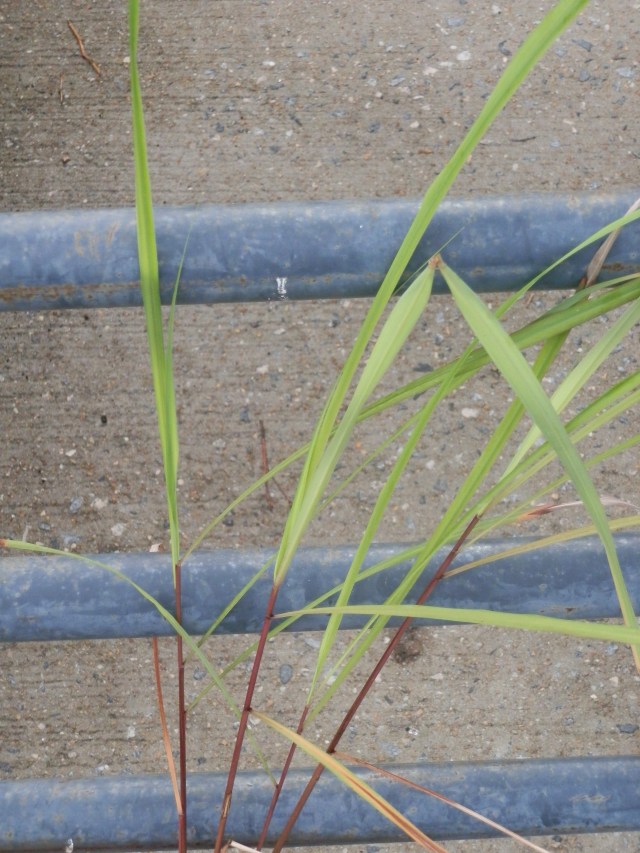
Lemongrass contains chemicals used to repel mosquitoes. Many people even confuse citronella grass for lemongrass. The essential oils are extracted the same way and the aroma is somewhat similar. Stem bases of citronella grass are somewhat reddish while they are faint green on lemongrass. Lemongrass stems are often red though.

Lemongrass is an herb I always associate with aromatherapy and medicinal uses. However, it’s also a delectable cooking herb. Its upright flowing growth habit makes it a good fit in many ornamental situations. So where do we start?

Let’s first discuss how to grow it. Lemongrass is a hardy annual or tender perennial, depending upon your perspective. It’s marginally hardy in zone 8. Elizabeth City is zone 8. That said, I think we have to consider it an annual here, much like purple fountain grass.

Lemongrass will achieve heights of six feet when plants live through the winter. It’s likely to grow about half that when it needs to be planted from seedlings every year. Another option is to dig some clumps of it, cut them back and keep them as houseplants in a sunny window in the winter. More or less let them remain dormant, only watering to keep the soil somewhat moist.

Plants require full sun and they thrive in the heat. Flowering would be extremely rare in our area as plants bloom late. Fall frosts would have already caused them to go dormant.

This herb grows best in well-drained soils, but it tolerates lots of moisture. In fact, it requires adequate water for rapid growth. When in active growth lemongrass benefits from adequate nitrogen too.

Lemongrass is great in marinades, especially for fish. Young tender leaves or stem bases seem to work best. Leaves are also great to season items on the grill. Some folks use it in stir-fry. Still others make a lemon tea from the leaves or stem bases. I’m only scratching the surface here. Culinary uses abound.

Medicinally, Lemongrass is used for treating digestive system problems, high blood pressure, convulsions, vomiting, cough, arthritis, fever and exhaustion. It also has antimicrobial properties. Some people use essential oil preparations externally to control muscle pain and headache.

Lemongrass essential oil is used as aromatherapy to treat muscle pain and the common cold. Aroma therapists claim it reduces stress, lessens insomnia and relieves general pain. The essential oil is also used in perfumes, soaps and many other general hygiene products.

I probably get more questions about the effectiveness of lemongrass, citronella and many of the scented geraniums as mosquito and tick repellants than any other use. I’m still not totally sold. Yes, they certainly have value, but plant concentration must be high.

Frequent retreatment is necessary to keep these critters away. Continued research will likely improve that. One thing is for sure. The pleasing scent is better than any of the repellants on the market.

Pot of leggy lemongrass that should have been planted

Ted Manzer teaches agriculture at Northeastern High School (tmanzer@ecpps.k12.nc.us).

Posted in foraging | Tagged , , , , , , , , | 2 Comments

Cicadas are a lot more than noisy insects


My first real experience with cicadas was back in the mid-60s in Maine. I remember riding my bicycle really fast down a hill and getting smacked in the face by one of the noisy red eyed critters. It hit me hard and I was lucky to maintain my balance. I’d never seen that many of them before, but that year they were everywhere.

Checking the history that year must have been 1965. That was a year of the 17 year cicada. They emerge in droves every 17 years. The last time they invaded that area was 2013.

This year they emerged in West Virginia and I was there in 1982 when you could sweep them up in garbage can loads. I visited by brother-in-law last year when they emerged again. There’s a brood that emerged in North Carolina this year, but I haven’t seen many.

Cicadas can be destructive, but they are very intriguing insects. Many people incorrectly call them locusts, but they don’t swarm and consume every green object like grasshoppers do.  Some have an annual life cycle and some emerge every 13 or 17 years, depending upon the species and locale. Emerging adults find something to land on so they can dry their wings. Sometimes they light on people’s clothing.

This is nothing to be concerned about. They won’t bite or sting. In fact, adult cicadas don’t eat anything at all. They drink water, procreate and make a lot of noise, at least the males do. Adult cicada males are the noisiest insects in the world. They can be heard from a half mile away. Adults only live about a month.

The periodic cicadas are the most intriguing in my opinion. They live underground for years and then all of a sudden, when the soil temperature at about an eight inch depth reaches 64 degrees they tunnel out.

They don’t hibernate. Cicadas just have a slow metabolism and exist on a diet of tree roots. They don’t actually eat the roots. They suck the sap from them.

Once they emerge, the cicadas aren’t adults yet, unfortunately for us. Immature cicadas do like to eat and damage trees, particularly hardwood trees. Soon thousands of exoskeletons become attached to trees and just about anything else that doesn’t move.

Once adults, females lay up to 400 eggs on twigs in trees. These eggs hatch in about six weeks. Young nymphs start to grow by sucking plant sap. Nymphs eventually burrow into the ground and subsist on a diet of root sap, which has less sugar and fewer nutrients.

Burrowing into the soil; is a good survival practice. Numerous animals like to eat cicadas. Some people even like them. Fat white nymphs are the biggest delicacy. Adults are plentiful but not really in demand.

Popular ways to eat them are roasted or sautéed in olive oil. Only hardcore bug nuts eat them raw. Those with shellfish allergies should avoid them.

I like to collect wild foods but will refrain from eating cicadas unless I become lost in a desolate place and pickings are slim. I wouldn’t want to deprive the wildlife of such a fine low-carb gluten-free food source anyway.

cidada resting on the hot concrete

Ted Manzer teaches agriculture at Northeastern High School (tmanzer@ecpps.k12.nc.us).

Posted in foraging | Tagged , , , , , , | Leave a comment

Basil is probably the most popular herb for gardeners.


For the last few weeks I’ve profiled perennial herbs. No herb garden would be complete without adding this annual one. Basil is probably grown by more gardeners than any other herbs.

There are so many different types and cultivars of basil it’s mindboggling. There’s purple ruffles basil, lemon basil, cinnamon basil, lime basil, dark opal basil, Thai basil and the list goes on. They all may have different textures, colors and aromas, but all have the distinctive flavor that turn a tomato dish into a delicacy.

If this sounds good, you’re in luck. Basil is easy to grow. Well drained soil with a slightly acid pH is necessary, but that can easily be obtained through some soil amendments or a container or raised bed. Basil is a moderate nutrient user, so some fertilization will be in order.

Whether direct seeding or setting out plants, don’t be in a hurry to plant your basil outdoors. Soil temperatures should be well into the 50s and dangers of frost should have passed. Basil does not tolerate frost well, especially when young.

Basil likes warm temperatures, so don’t stress it by bringing pots outside too soon. They shouldn’t be fertilized if temperatures are cool, either. Fertilizer should only be added when plants are in active growth.

Also, this plant, like many herbs, thrives from pruning. Seed heads should never be allowed to develop unless you plan to collect seed. When flowers develop they steal some of the energy from the plant. If you’re growing basil for the table you should constantly deadhead it.

Basil can be grown indoors. Light is going to be the biggest obstacle in this environment. Basil grows best in full sun and that’s not available indoors. Therefore, the sunniest window is the place to keep this aromatic herb. Fertilization should be dialed back indoors too.

Most people prefer fresh basil, and for some dishes it’s necessary, but basil dries well. You will probably not notice much difference in most sauces. Salads, pesto and other fresh uses call for fresh basil.

When most folks think of basil culinary uses come to mind. However, basil is a popular medicinal herb too. Uses vary from treating digestive disorders to intestinal worms, to insect and snake bites.

Basil also contains significant amounts of flavonoids and anthocyanins, two major groups of antioxidants. It also contains significant amounts of Vitamin K, but instead of helping to clot blood basil can inhibit it. This is likely due to Basil’s high amounts of essential oils.

Basil essential oils are also used to help treat high blood pressure. This is something to consider when taking blood pressure medicines. It might get too low.

Don’t let any of this scare you. Always consult with your medical professional if you have concerns. However, when I refer to medicinal uses, I’m normally talking about doses that would far exceed anything one would ingest by simply consuming the plant in cooking. These essential oils are extracted and concentrated. It won’t hurt your pet if he gets into your basil patch either.

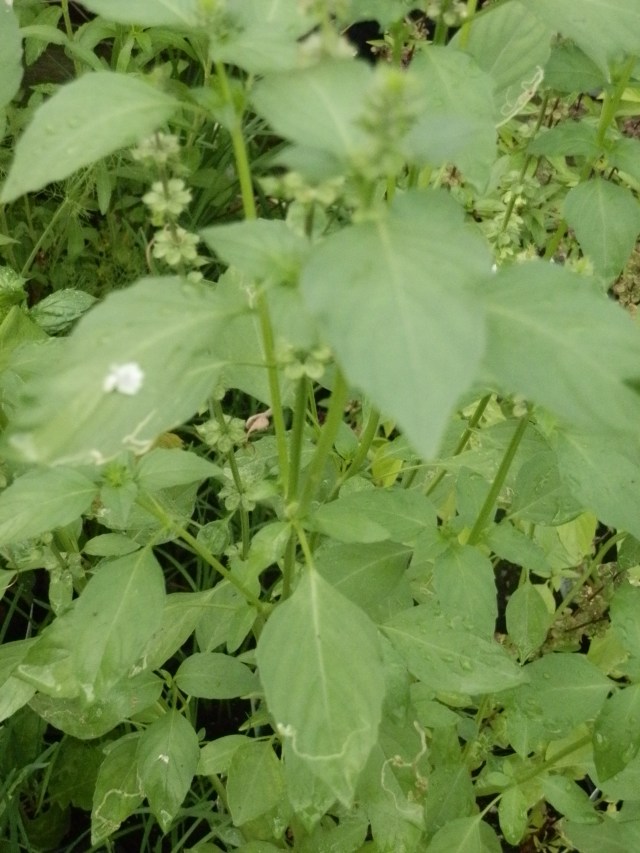
Leggy lemon basil mixed in with other herbs

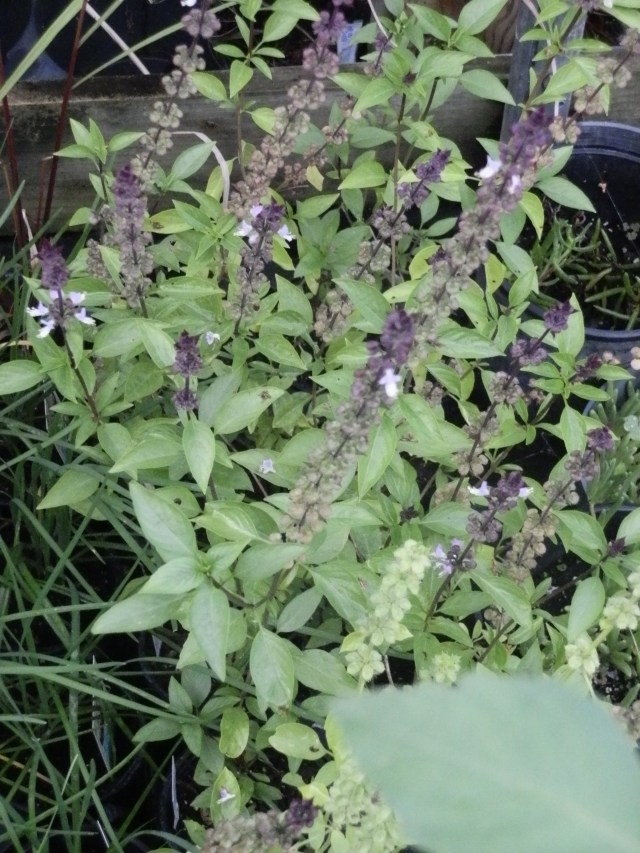
Basil plant that should have been deadheaded

.Ted Manzer teaches agriculture at Northeastern High School (tmanzer@ecpps.k12.nc.us)

Posted in foraging | Tagged , , , , , , , , | Leave a comment

Chives provide many pluses to your herb garden


Many people like the pungent flavor onions and garlic provide. The problem is the flavor is often too strong. Enter chives, which can be regular (similar to onion) or garlic types.

It seems no baked potato is complete without sour cream and chives. Chives liven up almost any sour cream or cream cheese-based dip. They complement but don’t overpower.

Chives are delicious when used fresh in salads or cooking. What makes them even more versatile is that they keep most of their flavor when dried. They don’t lose their texture when reconstituted in sauces either.

Some folks hang and dry them as full length leaves, but I prefer to dry them chopped. Freeze drying is becoming more popular. If drying is not your thing, chives freeze well too.

I cut mine a couple inches above the ground. This also ensures the leaves will be cleaner. Frequent cutting encourages growth and younger growth is always tender. Cutting plants off before going on vacation means young tender chives upon return.

Chives are also desirable for many other reasons. They repel insects, deer and rabbits. Moles don’t care for them either. Chives have antifungal properties and extracts can be used as natural fungicides. They have even been used as moth repellant.

Lastly, chives make an attractive addition to an herb or general perennial garden. Foliage grows in a neat upright fashion usually 12 to 24 inches tall. Chives are hardy but don’t become invasive.

Bright pink flower clusters are showy and also edible. They add delicate color to a salad. Some folks even use them as a tea. Garlic chive flowers are usually white.

For those aspiring gardeners with less than green thumbs, chives are easy to grow. They establish equally well from seed or transplants. Lack of well-drained soil is the main problem some people face, but other than that chives are tough. Those with clay soils might want to consider growing chives in pots or raised beds.

Chives thrive best in full sun, but they tolerate partial shade. Once established, they withstand periods of drought very well. After a few years the clumps should be divided to preserve vigor.

Chives, like onions, garlic, leek, shallots and scallions contain a chemical called allicin, which has many health benefits including cholesterol reduction. Chives are also high in Vitamin A and K.

Natural plant oils contain these fat soluble vitamins as well as the pungent flavor. Chives even are a rich source of Vitamin C and the antioxidant flavonoids, both water soluble compounds.

Chives aren’t used as much medicinally as their other Allium cousins. This is likely because levels of medicinal chemicals are lower. Since chives are milder flavored that should not be a surprise.

I’ve found few human side-effects for chives. Since they are high in Vitamin K, in extremely large amounts they could interfere with blood thinning prescriptions. I’m not going to get paranoid about that.

Still the same, we shouldn’t feed food containing chives, onions or especially garlic to dogs or cats. It could damage their red blood cells. Sometimes we don’t consider things like that.

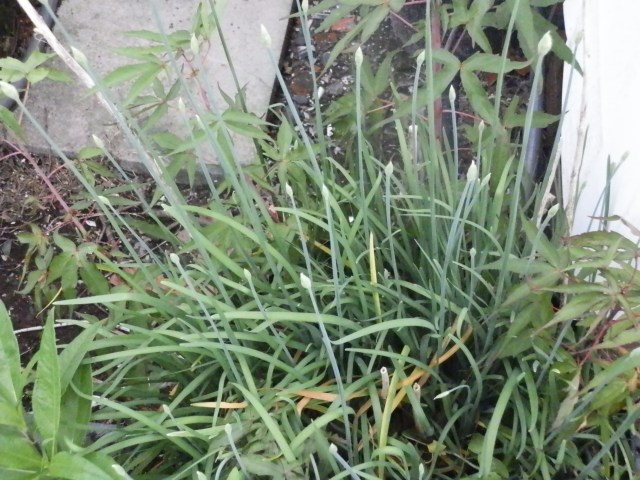
Garlic chives in a pot of perennial hibiscus

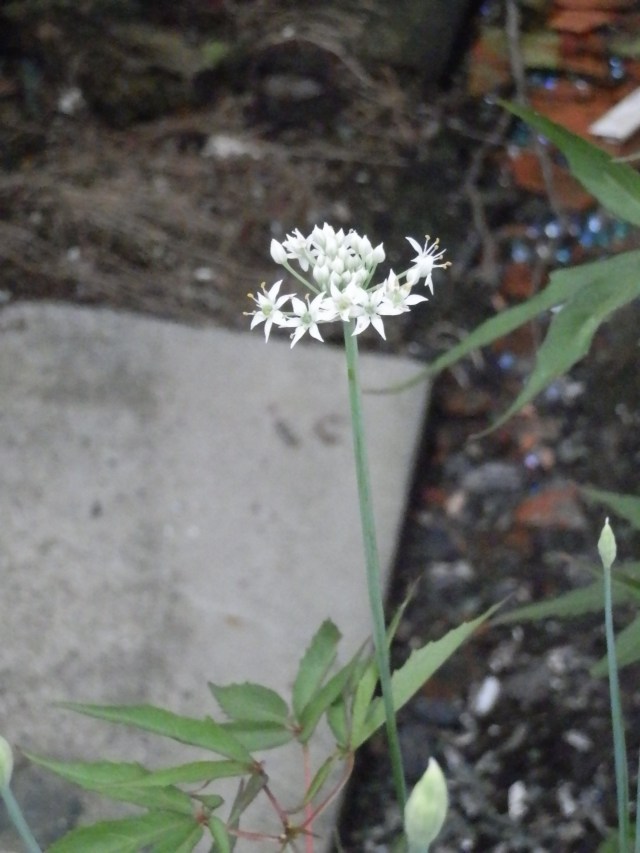
Garlic chive inflorescence

Ted Manzer teaches agriculture at Northeastern High School (tmanzer@ecpps.k12.nc.us).

Posted in foraging | Tagged , , , , , , , , , | Leave a comment

Thyme is a versatile garden herb.


I think thyme is one of the most underused garden herbs. Of course thyme is a broad term as there are dozens of thyme species and even more cultivars within them. Some are upright. Others are creeping. All have culinary and ornamental potential.

Thyme is a perennial in the mint family. That alone might concern you if you are considering using it in your flowerbeds. However, it’s not nearly as aggressive as most mints.

Part of the reason could be that thymes prefer a slightly alkaline pH and very few garden soils are maintained in that range. Adjacent sites where plants might spread would rarely be alkaline.

There are simply too many types of thyme to profile them all. There are also numerous aromas and tastes to choose from as well. I’m going to concentrate on common garden thyme and creeping thyme. Both require full sun and well-drained soil to thrive as do all types.

Thyme will live in shady places but flowering will be reduced and growth will be spindly. Plants won’t tolerate wet soils, especially in winter. Always make sure they are planted where water never collects.

Common garden thyme has stems that become woody and growth is more or less upright. This type is primarily used for cooking but it’s attractive in the garden. Plants begin flowering in spring and often continue until August.

Once plants become well established they can survive long periods little water. This makes them a great plant to use for xeriscaping. Thyme also tolerates strong winds well.

On the culinary side, thyme is one herb that keeps its flavor and aroma very well when dried. I find no real drop-off in quality from fresh thyme to dried thyme, except maybe in a salad. Thyme can also be harvested in all seasons without harming the plants.

Thyme has also been used medicinally for centuries. It contains thymol, which has antimicrobial properties. Thyme has been used to treat so many maladies I can’t list them all.

One precaution to large doses of thyme is that its use can slow blood clotting. This means people taking blood thinners could experience what amounts to an increased dosage. Always consult medical professionals before embarking on a self-prescribing herbal regimen.

Creeping thyme is more commonly used as an ornamental. It also can be used in cooking or eaten fresh. Growth of creeping thyme is more prostrate and stems are less woody. Creeping thyme makes a great ground cover. It also requires little maintenance.

Creeping thyme can be propagated easily through stem cuttings and division. For best results, cuttings should be taken in early summer from tender growth. Divisions can be made any time but survival is best in spring. Cut back excessive top growth.

Creeping thyme is great for hanging baskets. Its cascading growth habit is also attractive in mixed pots. Creeping thyme also comes in many fragrances, colors and textures. One cultivar has red foliage and another is commonly called wooly thyme. Others are variegated. There’s something for everyone with this versatile herb.

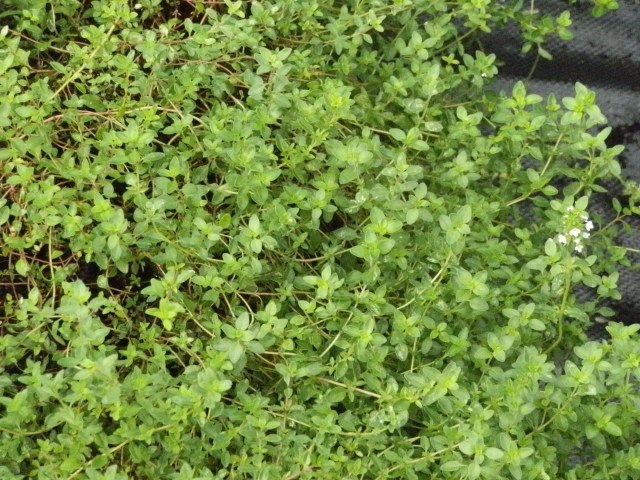
Healthy thyme plant ready to put in the ground

Ted Manzer teaches agriculture at Northeastern High School (tmanzer@ecpps.k12.nc.us).

Posted in foraging | Tagged , , , , , , , , | Leave a comment

Is there a more versatile plant than sage?


A discussion of perennial herbs wouldn’t be complete without including sage. There may not be a more versatile plant in the garden. Mostly that’s because there are so many different types of sage.

They’re great to have in your garden for several reasons. Pollinators love them and in turn pollinate your entire garden. Most types flower profusely and they are very hardy perennials. Still, bloom will always benefit from deadheading.

Another advantage is that most sage types tend to repel deer. At least the deer don’t often eat the sage. Rabbits avoid them too. They’re even supposed to keep mice away. Some people advocate planting sage around the edge of the garden. That couldn’t hurt.

Once established, sage tolerates drought pretty well. It will grow in partial shade but performs better in sunny places. Clay soils can be a problem, but sage thrives in acid as well as alkaline soils.

So what exactly is sage? Sages are in the genus Salvia. There are a ton of salvias, both annual and perennial. Common garden sage has grayish green rough textured foliage. Leaf surfaces almost look pebbled like a football or basketball. This is the most common cooking sage and is often used in poultry stuffing.

It shouldn’t end there. This is a very flavorful herb that brings out the flavor of many foods, especially meats. It’s great in marinades or sautéed with oil or butter to flavor it.

Sages can be upright or creeping. Many varieties are variegated. Some are even purple, although the purple sages usually don’t bloom as much. Some are very fragrant, while others have little aroma.

We often visualize sage as having blue to purple flowers, but my favorite is pineapple sage. It is less hardy than most perennial sages, but the bright red flowers and pineapple aroma make it a must for the herb or perennial garden. It can get tall but pruning it only makes it prettier. Hummingbirds and butterflies love it too.

Pineapple sage also makes a great cut flower and it dries well for flower arrangements. Green leaves also make a great tea, but much of the flavor is lost when drying them.

Sage has antimicrobial properties and has been prescribed by herbalists for nearly every problem known to exist. That’s a slight exaggeration, but sage preparations have been used to treat food poisoning, sore throat, breathing disorders, digestive problems and bad breath. Sage also has diuretic properties and will lower blood sugar.

Sage also has strong antioxidant properties and that could be part of the reason it has a wide usage in holistic medicine. It’s used as a general pain reliever and has even been mentioned as a possible treatment for Alzheimer’s. Relieving skin disorders like dandruff or acne are also common claims.

Side-effects are common with pharmaceuticals. They are also prevalent with herbal medicines. Sage contains a compound called Thujone, which can be toxic in high doses. It can cause seizures and liver and nervous system damage. Research all herbal medicines like you would synthetic ones. Always consult your doctor.

Sage foliage showing pebbled textured foliage

Ted Manzer teaches agriculture at Northeastern High School (tmanzer@ecpps.k12.nc.us).

Posted in foraging | Tagged , , , , , , , , , , , | Leave a comment

Many Thanks


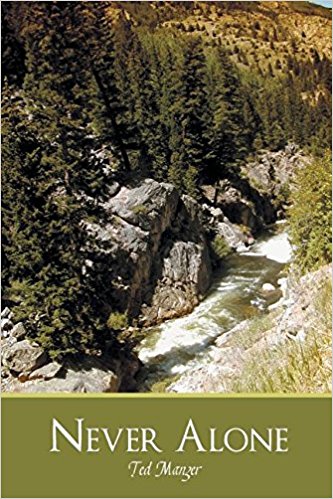
Thanks to all of you who have read my new book (Never Alone). For those of you that haven’t I invite you to go to Amazon.com, Barnesandnoble.com or another book outlet (locally it’s at the Museum of the Albemarle) and pick up a copy. It’s uncomfortable for me to shamelessly promote my own work, but I’d really appreciate some reviews if you have the time. Again, many thanks for your support on this project.

Picture from the Poudre Canyon near Fort Collins, Colorado

Posted in Uncategorized | Tagged , | Leave a comment

Hummingbirds can be lured to shady places


Last week I profiled some sun loving plants that attract hummingbirds. This week I’ll discuss my favorite shade dwellers that hummingbirds adore. There aren’t as many, since producing flowers requires energy. There’s less sunlight, so usually that means less spectacular blooming.

I’ll cover the annuals first. My favorite two flowers are wishbone plant (Torenia fournieri ) and monkey flower, both underused around here in my opinion. Lobelia is another and also a good hummingbird attractor, but its best bloom is in spring or fall, and the birds aren’t as numerous then.

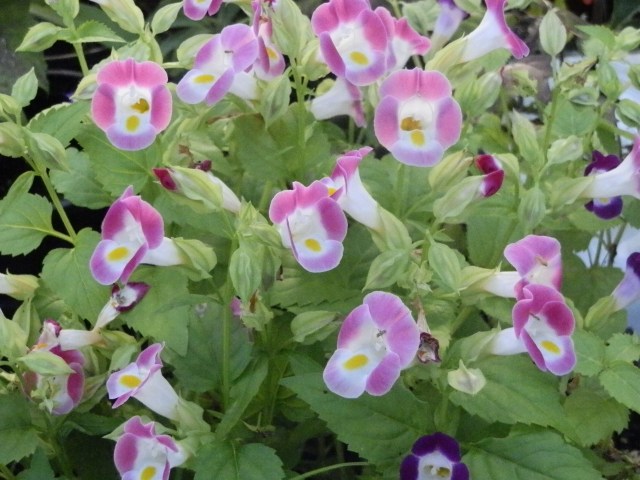
Wishbone plant is often referred to by its Generic name of Torenia. It has tubular tricolored flowers that are usually white, yellow and either red, pink or purple. Some varieties trail and others grow upright. Afternoon shade is critical for this one. Direct hot sun will wipe it out.

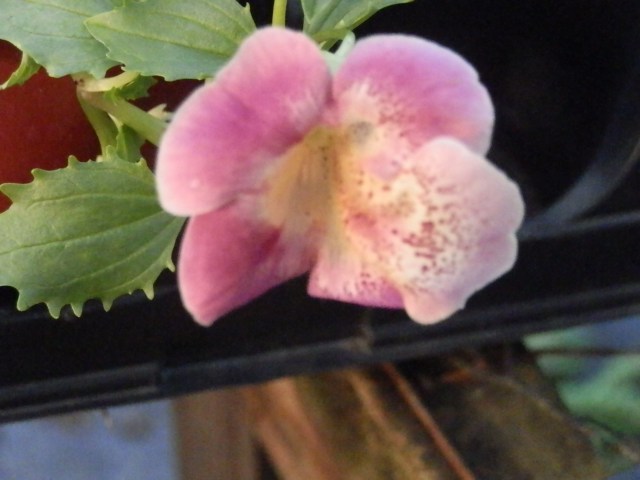
Monkey flower (Mimulus sp.) is an impressive bloomer for shady spots. Flowers are generally yellow or orange and showy. They somewhat resemble large snapdragons. Plants are desired by hummingbirds but despised by deer. That’s a desirable trait as deer are a major problem, especially in shade, where they have more cover.

Both wishbone plants and monkey flowers perform well in flowerbeds and pots. People looking for hanging baskets shouldn’t overlook fuchsia. It’s a great hummingbird attracting plant with very unique flowers.

On the perennial side, two plants that immediately come to mind are columbine and coral bells. Both grow well in shady places and both are butterfly and hummingbird magnets.

Columbine (Aquilegia sp.)  comes in different colors. Many are bicolored. Flowers have a distinctive nectar spur, much like nasturtiums do. Foliage is somewhat clover like. Further north these plants tolerate significantly more sunlight. Here in eastern North Carolina they must have afternoon shade.

Gardeners with shady places should have coral bells (Heuchera sp.). These are durable perennials that hold their own but don’t crowd out other plants. Butterflies love them and hummingbirds flock to them.

The funny thing is that coral bell flowers are neither large nor showy. Coral bells are normally grown for their colorful geranium-like foliage, but the flowers are great for attracting pollinators. Plants grow well in shade but also handle sun pretty well.

The variety of shade loving shrubs that attract hummingbirds is thin. Azaleas grow well here and they attract hummingbirds pretty effectively. The problem is that they don’t have a long blooming season. Re-blooming cultivars like the Encore series have lessened this problem, but plants still don’t bloom in summer. Rhododendrons are great hummingbird attractors, but they have the same problem and don’t grow well around here.

Hydrangeas attract hummingbirds and there are many types to choose from. The climbing types have white flowers and do very well in afternoon shade. Oak leaf hydrangea is another white blooming variety. It’s quite drought tolerant and will grow well in sunny spots.

Hummingbirds seek out flowers. Flowers are less prevalent in shady places. Therefore, fewer options are available for hummingbird lovers with shady environments. That probably makes sugar feeders more necessary. It also makes the quest more challenging to stretch out the blooming season.

Mass of Torenia flowers

Pink monkey flower

Ted Manzer teaches agriculture at Northeastern High School (tmanzer@ecpps.k12.nc.us).

Posted in general nature | Tagged , , , , , , , , , , , , , , | Leave a comment

Hummingbird attractants for sunny places


People often ask me which plant attracts hummingbirds best. That certainly depends. Sun vs shade is usually my first response. Annual or perennial is the next. For this piece I’ll concentrate on sun loving plants.

My favorite sun loving annuals for hummingbirds are salvia and petunia. Zinnias attract them as well. These plants are all locally available and easy to grow.

Salvia is an upright plant with square stems. The flowers look like they have lips on them and they come in many colors. They are borne on the stems in elongated clusters. Clipping the plants back periodically helps form bushier specimens that tolerate wind better.

Petunias are an old standby. They also come in numerous colors. However, they generally are trailing plants and don’t achieve much height. Flowers are funnel shaped and benefit from deadheading. The wave cultivars are advertised not to require picking off the old flowers, but I’ve found plants still benefit from the practice.

As far as perennials go, lantana and bee balm (Monarda) are great attractants. These are also very available. Daylilies are good too. They are very winter hardy and available at nearly all garden centers. Common colors are yellow and orange, but they also come in peach, red and purple.

There are numerous lantana cultivars to choose from. Some, like ‘Miss Huff’ and ‘New Gold’ are quite winter hardy. ‘Miss Huff’, a multi-color, has an upright growth habit and is tall. ‘New Gold’ is a spreading type and rarely grows taller than your knees. Other varieties are usually less hardy. I’ve found the biggest problem with lantana winter hardiness is wet soil in winter more than extreme cold temperatures.

Bee balm is a hardy upright perennial. Common colors are red and purple. Its biggest problem is powdery mildew and this can affect survival as well as attractiveness.

Probably my favorite hummingbird attracting perennial is Dicliptera, and it is frequently referred to as hummingbird plant or Uruguayan firecracker plant. Dicliptera has grayish colored leaves with a velvety texture. Flowers are bright red. This one is a hummingbird magnet.

If I had to choose a single plant for attracting hummingbirds I’d have to pick the tropical hibiscus. When they are blooming in and around the greenhouses at school the hummingbirds are so thick I feel like I need to wear safety glasses.

I see hummingbirds around rose of Sharon shrubs which are a hardy hibiscus. However, I usually don’t see as many. For some reason the tropical type seems to attract more.

I’m often asked if it’s necessary to artificially feed hummingbirds if there are enough nectar rich plants around. While it doesn’t sound as natural I think supplemental feeding is a good practice. Plants are not always flowering profusely, and supplemental sugar is inexpensive and good insurance for a constant supply of hummingbirds.

There are numerous plants that attract hummingbirds. I’ve merely scratched the surface, and I’ve only included plants adapted to sunny locations. Those with shady garden spots will have to wait until next week to read about my favorites for gardens with limited sunlight.

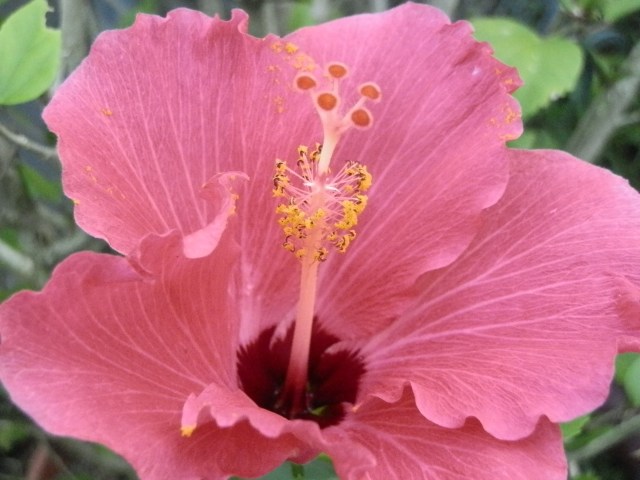
Hibiscus flower showing the 5-branched stigmas and stamens attached to the style

Ted Manzer teaches agriculture at Northeastern High School (tmanzer@ecpps.k12.nc.us).

Posted in Uncategorized | Tagged , , , , , , , , , , , , , , , , , , | Leave a comment