Shamrocks are confusing symbols


St. Patrick’s Day is just around the corner and shamrocks abound. The problem is that people can’t agree what a shamrock is. If you research the topic you’ll find that shamrock means ‘small clover’, but when you search for shamrock images almost all show a leaf resembling wood sorrel (Oxalis) not a clover. People also argue whether it should be three leaflets or four.
This might seem trivial to most people, but to a botany enthusiast like me proper identification is important. Leaf edges of clovers are finely toothed and wood sorrels smooth edged ones. Leaflets are also roughly oval whereas those on wood sorrels are heart-shaped. Both are in separate families.
Flowers are different too. Clovers have tiny flowers in tight clusters forming ball-like inflorescences called umbels. Colors are white, pink, crimson or lilac. Hop clovers have yellow flower clusters. Wood sorrels have larger flowers with five petals that may be white, yellow or pink.
Nearly all botanists agree that the true shamrock is a clover, and most sources consider white clover to be the original shamrock. White clover (Trifollium repens) was brought here by European settlers and quickly established and naturalized throughout the continent. Native Americans called it ‘white man’s foot grass’ because the leaflets resembled toes and it was soft underfoot.
White clover is everywhere except on extremely acid soils, and it fixes its own nitrogen. It requires little or no fertilizer. White clover is genetically diverse with a plethora of natural ecotypes that adapt to different environments. All require good light and would not grow well indoors.
This is where the wood sorrels come in. Some folks insist shamrocks aren’t clovers. They even consider the heart-shaped leaves to be part of the folklore. Many species of Oxalis grow well indoors and are commonly called shamrocks. Most are either annuals or tender perennials. We have several perennial species that grow well here. They produce bulbs and are quite prolific.
Several Oxalis cultivars also have four leaflets instead of three. Many people think these four-leaf types are the true Irish shamrock, since they assume four-leaf clovers are lucky. Numerous people also attribute luck as an Irish trait and these four-leaf types fit in nicely.
According to most sources, true shamrocks have three leaflets. St. Patrick used them to symbolize the Holy Trinity. Why many symbols show four-leaf shamrocks is a mystery. Some say the fourth leaf stands for luck. Others insist it symbolizes God’s grace.
One thing’s for sure. If you find a four-leaf clover search that same plant and you’ll likely find another. It’s a mutation but the trait is genetic. You can impress your friends by finding several after encountering the first one. There’s no luck to finding them. Careful observation and patience is key.
As long as we’re exposing myths, St. Patrick couldn’t have driven the snakes from Ireland. Snakes never were native there. This was simply a metaphor for Christianity ridding Ireland of its former pagan ideology. Nobody received credit for driving snakes from New Zealand, and they have none either.

Oxalis growing in early March

Oxalis growing in early March

White clover growing in dormant turf in mid-March

White clover growing in dormant turf in mid-March

White clover plant in early spring

White clover plant in early spring

Ted Manzer teaches agriculture at Northeastern High School.

Posted in foraging | Tagged , , , , , , | 2 Comments

Calving time for a West Virginia Tennant Farmer


My wife’s parents were tenant farmers for much of their lives. That meant they worked long hours running someone else’s farm for very little money. Long days and often harsh conditions were always part of the job, and calling in sick was never an option. Other family members always picked up the slack even if that meant mostly three-digit-hour weeks for a single wage.
Late winter to early spring was calving time. They always fed morning and evening for two reasons. First, cattle wasted less feed that way. Also, they could monitor the animals better and determine when some of the cows were about to give birth.
Melting snow and thawing ground meant copious amounts of mud. It’s a difficult job providing a healthy environment for a herd of animals, especially pregnant females, under those conditions. Some farmers let their cows slog through mud up to their udders. My in-laws would never do that, even when they were tending someone else’s animals.
I remember visiting and they had brought a newborn calf into the house next to the woodstove to warm her up and try to limit her frostbite. They named her Josie and my oldest son was fascinated. He was three. After that he wanted them to let all the baby calves in the house.
Sometimes cattle, sheep, hogs, and other livestock need help giving birth. Losing a baby hurts profit margin, but losing the mother is devastating. Ezra and Elloise never looked at it purely as a money enterprise though. They loved their cattle.
I remember the first time I had to pull a calf. The mother was a young heifer belonging of their neighbors. The calf was huge, probably weighing about 110 pounds. Its head was folded back across its body and I had to reach in and turn it. Dystocia (difficult labor) is common in cattle and often it’s cause by a calf being in a difficult position such as upside down, tail-first or the problem I encountered.
The outside air was freezing, so the temperature gradient between birth canal and outside air was staggering. The worst part was young bovine had a contraction when my arm was inside her well above my elbow. It felt like she was going to crush my arm and I was scared until it subsided.
Once I oriented the head between the front legs she still couldn’t push it out. We were going to have to pull it. Ezra talked me through it. He’d injured his arm and couldn’t do it himself.
We tethered the heifer to the back of a tractor right in front of a light pole. I tied some baler twine to each front leg and pushed one of my feet against the pole to get more leverage. Then I gave it all I had and all of a sudden the shoulders cleared and I wound up on my butt with a big bull calf in my lap. Both mother and baby were healthy, however.
Calving isn’t always that traumatic. Sometimes farmers wake up to find newborns already running around in the field. Still it’s a tough life, one a person must really enjoy, especially for someone else’s benefit.

Ted Manzer teaches agriculture at Northeastern High School.

Posted in Uncategorized | Tagged , , , , | Leave a comment

Believe it or not, vegetable garden season is just around the corner


It’s almost March. Don’t let this winter weather dampen your spring gardening plans. In eastern North Carolina you’ll be out working the soil before long. Just remember to plan and don’t try to do too much too soon. Invest in a soil thermometer. That can save you lots of replanting.
Many vegetable plants should probably have been started indoors already. I usually seed celery near the end of January. Cabbage, cauliflower and broccoli should be started indoors now if they haven’t already. Don’t plant them outside until soil temperatures remain above the 40 and always harden off the seedlings first.
Hardening off is important for vegetables and flowers. Plants need to be acclimated to a new environment. Taking seedlings from a heated greenhouse and planting them directly into an open field can be costly. I’ve seen many people lose a lot of hard earned money planting flowers and vegetable seedlings only to see them struggle or maybe die.
Unless weather changes drastically and long term forecasts call for mild weather with no more than light winds, greenhouse produced seedlings should be hardened off. Set your vegetable plants in a sheltered location for a few days and make sure not to over-water them. If weather forecasts are favorable you can plant them into the harsher open environment and they will have a greater chance of success.
More tender plants, such as tomatoes, peppers, eggplant and okra should not be set outside until soil temperatures remain above 50. Continue to monitor late spring freezes. March 1st is a good time to begin planting these vegetables inside. You might push that a couple weeks for peppers and eggplant because their seedlings grow slower. That should give you six to 8 weeks before young plants must fend for themselves outdoors. Soil temperatures should be at least 55 degrees by then especially if you have sandy ground.
I wouldn’t even sow cucumbers, squash, watermelons, or cantaloupes indoors until about April 1st. Seedlings should be ready for transplanting when they are about four weeks old. Soil temperatures should approach 60 degrees at planting time or plants may show signs of shock after transplanting. If you choose to sow directly into the garden, then wait for soil temperatures of 55 degrees at a two to three inch depth
The most critical thing about successful gardening is not to get in a hurry. It doesn’t matter if you’re seeding directly into prepared soil or transplanting seedlings. When young plants are stressed they sometimes never fully recover.
Nothing depresses yields worse than a poor stand. Nearly all vegetable gardeners lust for that first ripe tomato. However, even if pest and disease conditions are minimal you won’t be successful if you try to push the calendar too much.
Temperature is a critical factor but so is moisture. Never try to work a soil if it is wet. You will destroy the natural structure unleashing numerous additional problems. Usually temperature and moisture are more or less coupled. When soils are wet they don’t heat up as fast.
Fellow vegetable gardeners let’s be patient. The same goes for flower enthusiasts. There’s light at the end of the tunnel and spring will come. We don’t want to ruin it by jumping the gun.

Ted Manzer teaches agriculture at Northeastern High School.
Posted in foraging | Tagged , , , , , , , , , | Leave a comment

Even in winter many dormant plants can have surprising uses


Years ago my daughter was struggling to find a science fair topic. She wanted to study natural plant dyes but was discouraged since there wasn’t much growing during the winter. I told her there were plenty of dye options outside and to research tree wood, roots and bark for a few days and I’d help her.
We had dozens of empty canning jars, two stoves and a good supply of saucepans. We also had a big old house with wood floors, so I wasn’t worried about permanently staining or ruining anything.
A few days later our kitchen was full of canning jars with different colored liquids in them. Coat hangers with strips of pigmented cotton fabric hung about the room. She collected all the samples from our yard. It was fun for me because I knew several would surprise her.
The prettiest one was barberry. Boiling the wood and bark sample yielded a bright yellow color which was colorfast on cotton fabric without any mordant at all. A mordant is an additive such as alum, baking soda or vinegar that helps dye adhere to the material.
By far her strongest and darkest dye was from black walnut. Her fabric turned a rich brown. Had she used the husks color would have been even darker. Anyone who has ever shelled black walnuts can attest to their strong dying properties. I’ve walked around with brown hands for weeks at a time from husking walnuts or boiling traps in walnut husks to descent them.
Red cedar produced a reddish purple colorfast dye. I was actually expecting the dye to be even stronger, since the wood has such a rich color. Cherry roots dyed fabric purple as well, but not as effectively as cedar. Red Maple and sweetgum barks also yielded a somewhat reddish purple product, but not a particularly rich hue.
Sassafras was interesting because the wood and bark produced a yellow product, whereas roots dyed cotton a brownish orange. Birch dyed the material a light brown but the dye wasn’t particularly colorfast.
Willow roots and bark dyed the fabric a peach color. Persimmon had a slight peach hue but I’d consider the color closer to tan.
We have two different types of crabapples on our property. The bark from one died cotton cloth red, and quite a strong red. The other produced a tan colored product. Color from domestic apple wood and bark was only a faint brown.
Had her project been conducted in warmer weather there would have been almost limitless plant dyes she could have used. She could have found many green possibilities as well as stronger reds. In fall, pokeberries dye fabric a strong magenta color, but some type or mordant needs to be used to keep it colorfast.
Everything considered, the science project was a great learning experience for her and it was fun for the whole family as well. I had a good idea what she would learn, but there were samples that surprised me too. I wish I still had the pictures, but I lost them when my computer crashed a few years ago. I guess that has to happen to most of us before we smarten up and back things up.

Ted Manzer teaches agriculture at Northeastern High School.

Posted in Uncategorized | Tagged , , , , , , , | 1 Comment

Plants can’t get much more unique than the ginkgo tree


Some botanists call them living fossils. Ginkgo biloba is the only species remaining from a Division of plants that went extinct thousands of years ago. It is one of the most primitive plants still in existence, but it thrives in urban environments. It tolerates pollution, some shade, and periods of dryness.
Ginkgoes once inhabited much of the world, but the last ice age wiped them out everywhere but in China. Even there they are now extinct in the wild.
Once you see one you’ll never forget it. The leaves are like those on no other plant. They are fan-shaped and most are split in the middle, hence the species name biloba.
The tree got its common name, Maidenhair tree, because some thought the fan-shaped leaves resembled fronds of Maidenhair fern. Leaves are borne on rounded stem spurs. Fall foliage is a gorgeous golden color.
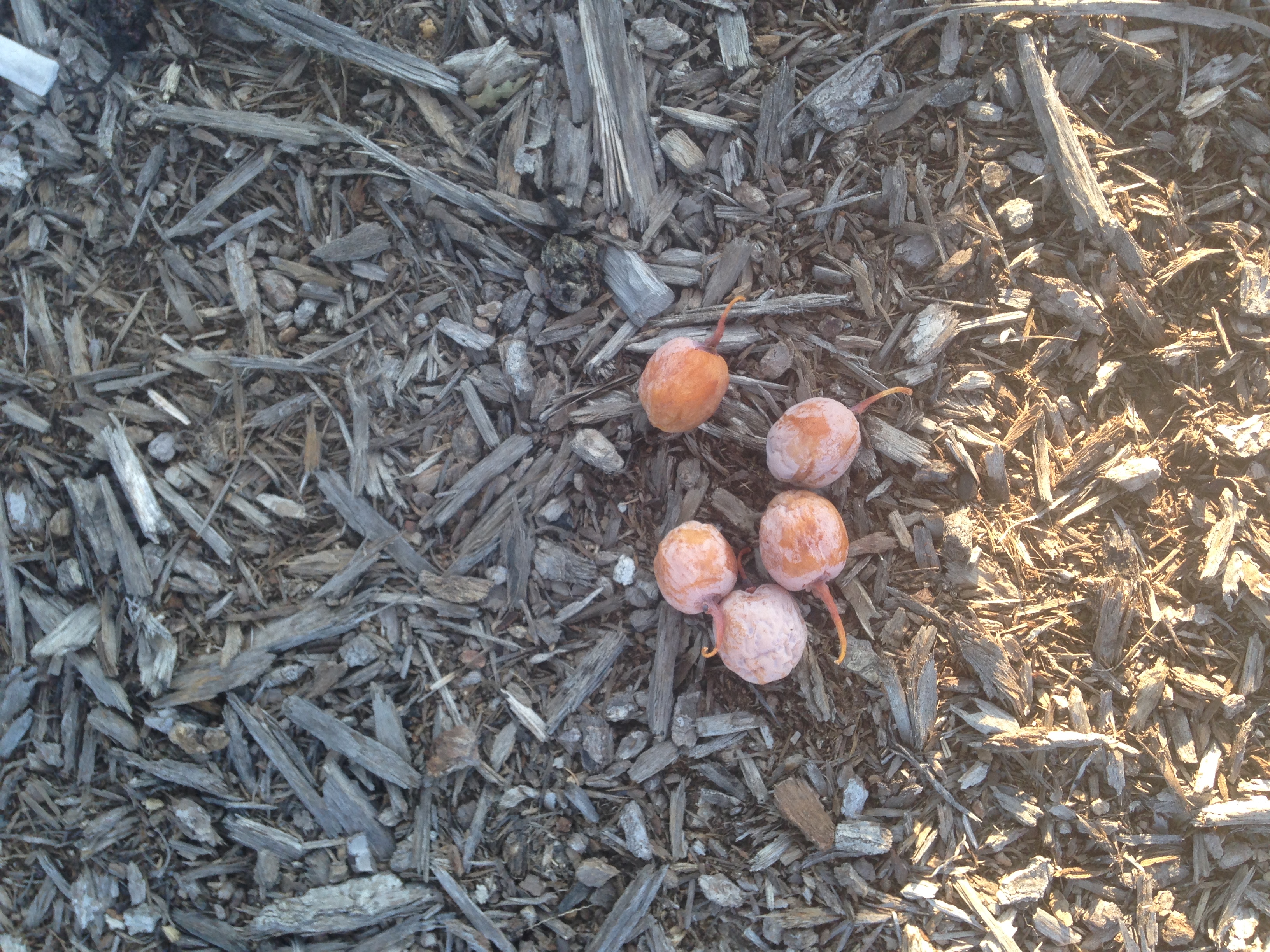
Ginkgoes are seed bearing plants but they don’t produce true fruits. They have grape sized structures surrounding the seeds that resemble fruits though. Pulp is soft and similar in color and texture to that of a ripe wild persimmon. These false fruits are best avoided as they contain substances similar to urushiol, the irritant found in poison ivy, oak and sumac.
These fruit-like structures are only found on some trees. Ginkgoes are yet another one of those dioecious plants. Male trees produce no seeds, which makes them far more desirable for landscape use.
Most ginkgo trees found in nurseries are now grafted as to eliminate the seed mess, which can be plentiful, unsightly and smelly. When fruits decompose they produce butyric acid, which is the product formed from rancid butter.
Female trees are not all bad though. When properly processed the nutlike seeds are edible and a delicacy in Japan and China. They somewhat favor chestnuts. When it comes to herbal medicine ginkgo is one of the most sought after species anywhere.
Ginkgo nuts have been found to reduce cholesterol. Seed and leaf extracts are routinely prescribed by herbalists to improve brain function. Many holistic preparations to combat Alzheimer’s contain ginkgo as a major ingredient.
Additionally, much research is ongoing to determine ginkgo’s influence in fighting certain types of cancer. Antioxidant levels are high. However, eating too many seeds can be toxic to nerve cells and cause breathing difficulties, so don’t go hog wild.
Ginkgo interacts with many common prescription and non-prescription drugs. Ibuprofen is a common over the counter anti-inflammatory medicine and it can slow blood clotting. Ginkgo does too, so taking them together liberally could cause bruising or internal bleeding. The same can be said for aspirin and many prescription blood thinners like Plavix and Coumadin.
Ginkgo extracts can also negate the effects of Xanax, which is used to treat anxiety. The list of medications that interact with ginkgo is as long as my arm.
Ginkgo draws miracle claims by some and warnings by others, but I’m more into its use for aesthetic reasons. They are adaptable, well-shaped, containable shade trees. Ginkgoes are a conversation plant.

Specimen in the NCSU Arboretum showing the distinctive leaves

Specimen in the NC State University Arboretum showing the distinctive leaves

Female ginkgo loaded with fruit

Female ginkgo loaded with fruit

Ginkgo seeds

Ginkgo seeds

Golden fall foliage

Golden fall foliage


Ted Manzer teaches agriculture at Northeastern High School.
Posted in foraging | Tagged , , , , , , , , , , , , , | 1 Comment

Mincemeat is an old time favorite that has evolved over time


When I was a kid my mom made mincemeat every fall during productive deer seasons. She used neck meat, which is gelatinous and full of gristle. This doesn’t sound appetizing, but it always made good mincemeat.
When you say mincemeat you never quite know what to expect. It has evolved greatly over the years. Early recipes were far denser in the meat department than the modern kind. They were more like souse, head cheese to some. Even the sound of it is a turnoff to most people.
Centuries ago in Europe, people preserved meat with liquor, sugar and spices. They let the mixture ferment. It was a way of salvaging scraps that otherwise would spoil. In those societies wasting wasn’t an option. The resulting concoction was used more as a main course. Modern recipes lend themselves largely to dessert.
Regardless of the nuances in recipes, mincemeat pie has become a holiday tradition in many places. I think of it more as a Thanksgiving treat, but more people associate it with Christmas. Over the years numerous types of meat have been included. According to most sources mutton was the first meat used.
My mother-in-law always made mincemeat when the family butchered hogs. There was nothing like a good hog killing to put several jars of mincemeat on the shelves. She used the head meat to make it and she never restricted it to pies. She swore that was the only type of meat she’d use. Cookies were probably my wife’s favorite use. She still pines for ‘Mom’s mincemeat cookies.’
I make a mincemeat bread that’s quite similar to steamed brown bread Mainers like to eat with their baked beans. For maximum richness I include plenty of black-strap molasses. It’s simply too good to restrict to holidays, but being calorie dense, maybe it’s best to use discretion if you want your pants to fit.
Once ingredient we were able to collect in West Virginia that we had to buy in Maine was currants. Years ago Maine had strict and successful regulations concerning currant and gooseberry eradication, so foraging them was impossible. When I moved to West Virginia I collected wild currants and saved them to use for mincemeat in the fall. I think using real currants and not just raisins and apples is crucial to successful mincemeat.
Cinnamon, nutmeg and cloves are the three dominant seasonings. This trilogy of spices captures the unique flavor. They along with some type of liquor and sugar were essential to preserve the meat. I don’t use any booze in mine. I include a little rum flavoring and ginger but that’s about it. I do think the taste is enhanced by some animal fat though. Most recipes call for beef suet, but I think pork fat is just as good.
Some modern recipes leave out animal products altogether. Instead they include butter or olive oil as the main lubricating and flavor enhancing agent. Raisins, apples, cranberries and nuts add bulk to the vegan mixture. The final result is sweeter, fruitier and far more suited to dessert than the main course.
Personally, I could eat mincemeat any time of the year, though I usually consume it more from Thanksgiving to New Years. The flavor brings back so many childhood memories. It also conjures images of my in-laws who have both passed. For me, mincemeat is a nostalgic mixture to be savored and appreciated anytime, just like family.

Ted Manzer teaches agriculture at Northeastern High School.
Posted in foraging | Tagged , , , , , , , | 1 Comment

Harsh winter weather sure isn’t confined to our backyards


We’ve had quite a rough stretch of winter weather here in eastern North Carolina. Sometimes years go by when we don’t see temperatures in the teens let alone the single digits.  Combined with severe winds this has caused problems for many. This whole week has been miserable, but this morning it was approaching zero, a record low temperature. This was coupled with 10-15 mph winds.
One thing we must keep in mind is that it’s far from confined to our neck of the woods. Northern tier states, particularly the New England ones have been slammed. I recently watched a report out of Boston where snowplow drivers were bemoaning that the winds were filling the roads with snow as fast as they could remove it.
My parents and much of my family still live in Maine. In some sections they have received well over ten feet of snow this winter, much of it coming within the last month. In fact, they had somewhat of a reprieve for a while. Snow came very early, but around Christmas time there wasn’t much on the ground. Recently that’s changed a lot.
Temperatures have been oppressive too. Normally snowstorms are more severe if temperatures are relatively mild, since the air can hold much more moisture at 25 degrees than it can at negative digits. Some of this latest precipitation has come even though the thermometer readings suggest accumulations should be slight.
Some people look for silver linings and I like to do that too. Lately, a few people have asked me if the recent cold weather will mean fewer insect problems in the spring. I wish I could reassure them it would, but there are many other factors that influence insect survival than temperature alone.
While it’s true that all arthropods perish if exposed to extremely cold temperatures for prolonged periods, many still survive. Insect types and other circumstances are factors we can’t ignore. Snow cover, mulching depth, soil moisture, predators, parasites and pathogens are but a few variables with similar influence.
Sometimes cold weather might kill many insects, but it might also do even more harm to others which feed on them. Even if over half are killed by winter if other factors aren’t negatively affected, populations will rebound quickly.
On the positive side mild winters aren’t necessarily going to mean huge insect populations either. Temperature is but one factor. That said, you can’t convince everyone. If the winter were mild many would be parroting the high bug population scare, which is often as erroneous as the harsh winter bug-killing scenario.
All things considered, we haven’t had things that rough this winter here so far. Energy prices have been down and we haven’t had snow loads to do the same for our roofs. That’s one of the advantages of living in the south.
I’m sure the people of New England are glad their football team won the Super Bowl, but the rest of the winter hasn’t been as pleasant. Likely this harsh winter has taken some of the air out of their celebrations. Sorry, I couldn’t resist that one. I can say that though. I followed that team decades ago when they rarely won a game.

Ted Manzer teaches agriculture at Northeastern High School.

Posted in Uncategorized | Tagged , , , , , , , , | Leave a comment

Do robins really signal spring?


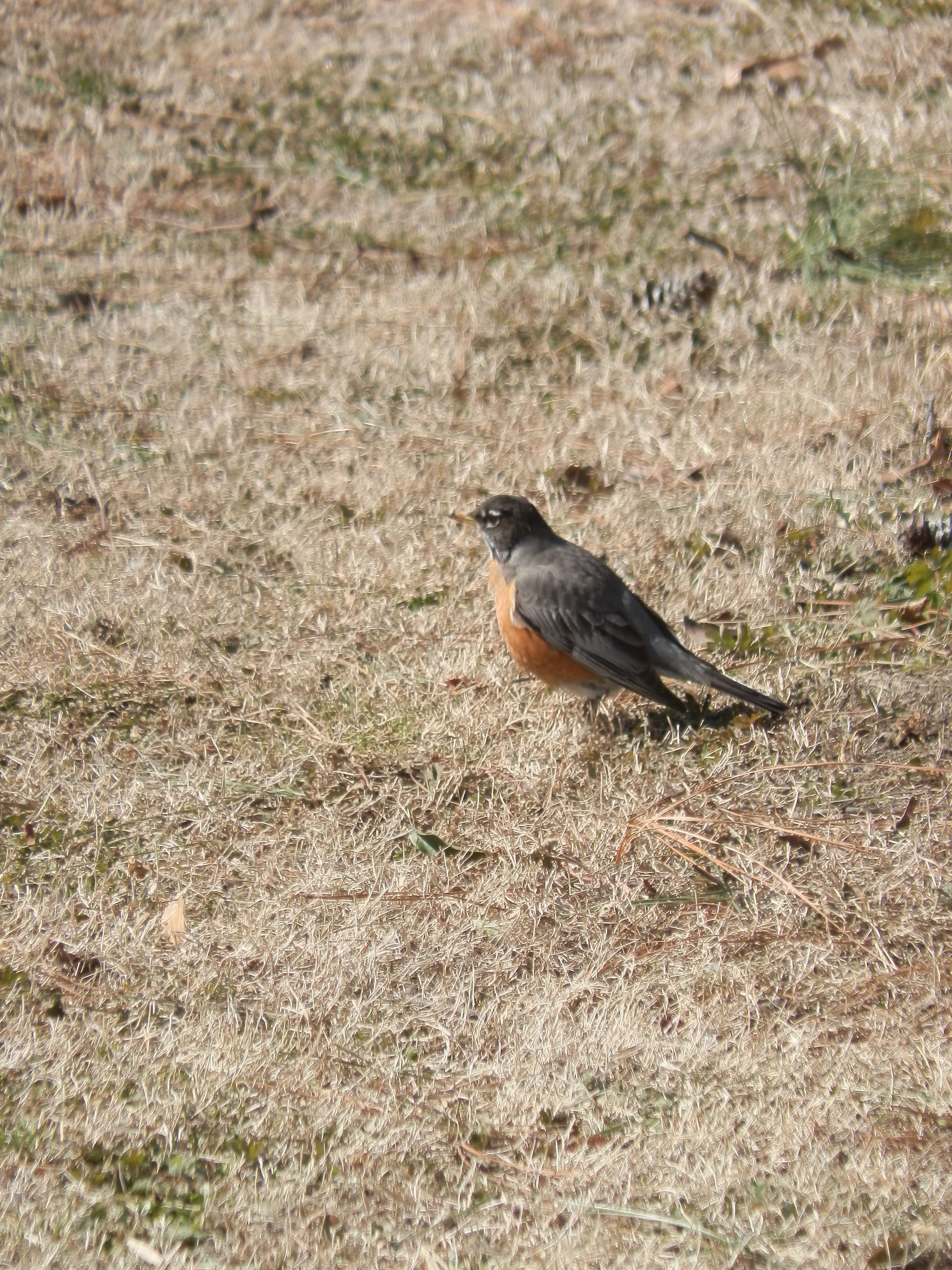
Two weeks ago I overheard two people in the grocery store commenting that spring must be here since they saw so many robins in their yards. When I was a kid the first robin of the year was always a welcome sight. I enjoyed watching them hop around and cock their heads in search of worms. Their eyesight is exceptional.
One thing people may not realize is that robins live here year-round. In New England and the upper Midwest they migrate and live there only in spring, summer and fall. In eastern North Carolina we don’t always see them in winter because we’re used to watching them pulling worms out of the ground in open areas. Earthworms are probably their favorite food, but when the ground is frozen they can adapt.
In winter they often resort to eating fruit still clinging to trees or on the ground. They don’t eat seeds and they know that fruit grows on trees and shrubs, so they seldom visit bird feeders. During winter they don’t congregate in open areas much. Most of their food is in wooded areas, so we seldom see them and many people assume they must have migrated. If anything, they are slightly more abundant here in winter than summer.
When worms are active on  warm winter days the robins will find them. Just because we see bunches of these reddish orange breasted birds doesn’t mean winter is over, at least not around here.
During the breeding season, we usually spot robins singly or in pairs. During the winter, birds may congregate in large flocks. Male robins are very territorial near their nests and feeding areas and will chase away other robins or even attack their own reflections in windows. Cardinals do this too.
Pairs of robins usually raise two or three broods per year. Females lay three to five pale blue eggs before setting them and females are the primary incubators. Eggs will hatch in 12-14 days. Females also are the primary caregivers for the young hatchlings. Chicks are old enough to leave the nest in about three weeks. Some take a little longer.
Robins often make their nests near people. If you find an abandoned nest with eggs or find eggs on the ground leave them alone. You are only setting yourself up for failure. The eggs are probably either infertile or damaged. Your chances of successfully incubating them are nearly zero. Furthermore, if you place any into another nest the mother will most certainly abandon them all. You won’t trick her.
You will also have little chance of success trying to raise what you think may be abandoned baby chicks. Don’t disturb them. The chicks might respond to you and you might think you’re having success, but eventually the hatchlings will die and you’ll be disappointed. It’s best to let robins take care of their own babies.
Spotting robins this time of year can raise one’s spirits, especially in light of this harsher than average winter. The last week and a half has been brutal. Around here though, seeing a bunch of them has nothing to do with spring.

Bright sun brings robins into the open even if it's only 15 degrees fahrenheit

Bright sun brings robins into the open even if it’s only 15 degrees fahrenheit

Ted Manzer teaches agriculture at Northeastern High School.

Posted in Uncategorized | Tagged , , , , , , , , | 2 Comments

We all love those finicky gardenias


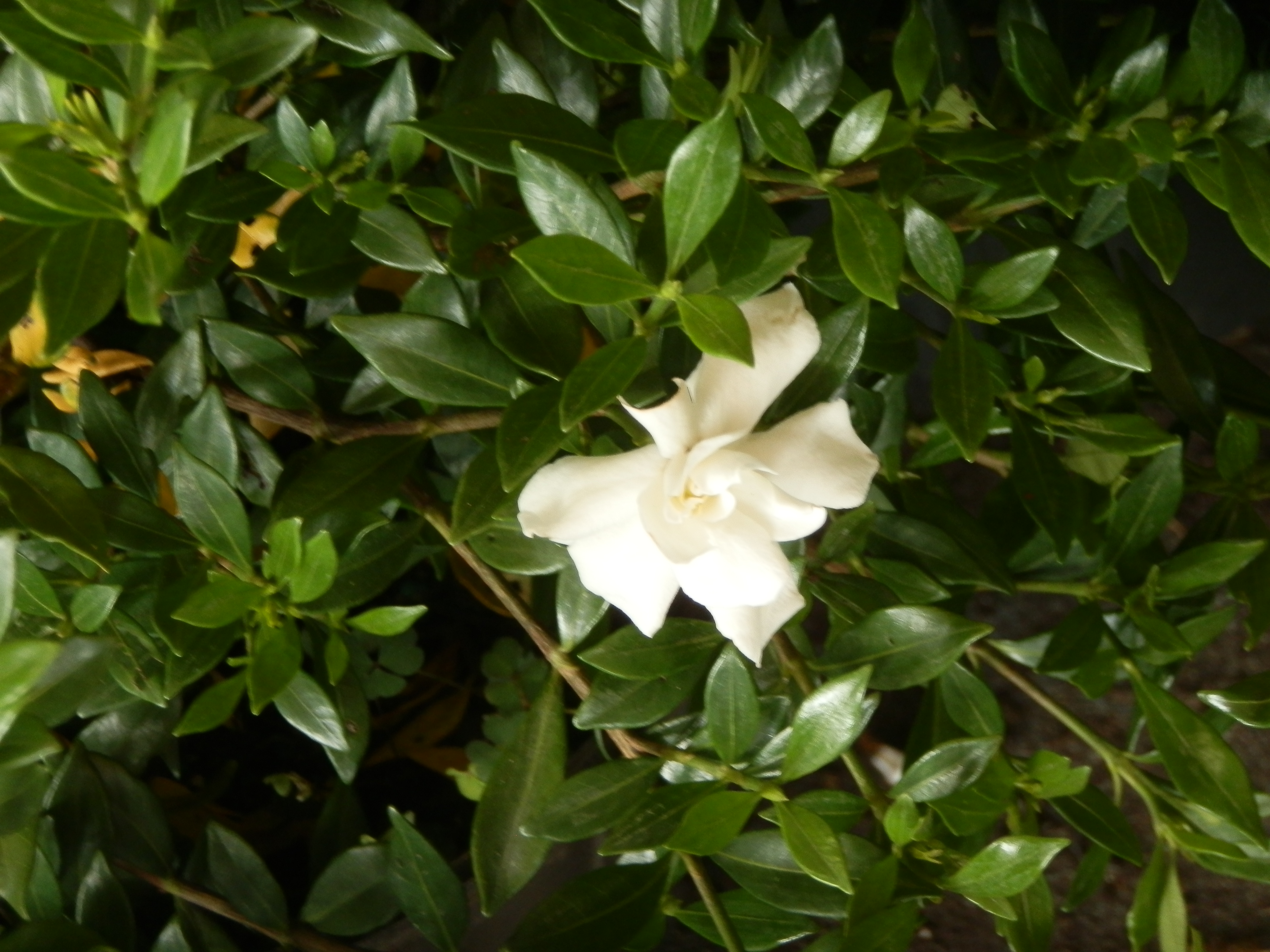
Perhaps there is no better shrub to plant near a partially shaded deck or patio. Some people love the copious display of white flowers. Others adore the aroma. Still others appreciate the dark glossy foliage. Together with magnolias, crape myrtles and camellias gardenias are a symbol of the southeast. It’s a shame so many people have trouble getting them to thrive.
Known also as cape jasmine, gardenia (Gardenia jasminoides) requires acid but not extremely acid soil. Pretty much all cultivars also need soil that is neither too wet nor too dry. Sun is necessary for desirable flowering, but too much will stress them. Avoid locations with heavy afternoon sun.
Roots are also healthier if soil temperature doesn’t fluctuate much, so they benefit from heavy organic mulching. Planting flowers or ground covers around them can help if they have similar environmental tolerances.
Last winter was tough on gardenias. The problem generally was the result of prolonged wetness rather than extreme cold, but the reasons didn’t matter if yours died or were sick. Mine are just now starting to look healthy. I’ve tried to get gardenias to grow near my porch steps, but fluctuating moisture levels were a problem so I found another location.
Stress also makes gardenias more susceptible to insects and diseases. Many people experience black sooty mold covering much of the foliage. This black powdery substance isn’t the root of the problem. It is the result of insects such as mealybugs, aphids, tea scale or most likely whiteflies. All have sucking mouthparts that feed on plant sap. In turn, the insects generate this sweet sticky substance called honeydew. This sugary material makes great food for the fungus and the black mold thrives.
The mold generally doesn’t harm plants that much but it’s unsightly. It can be removed with a mild dishwashing detergent and a water hose. Several sessions may be necessary and late in the day is best to avoid plant injury.
Detergents as well as insecticidal soaps can also help control the insect pests. If more aggressive measures are necessary there are a few systemic insecticides available. Products containing pyrethrin, acephate or imidacloprid are effective.
Once your gardenias are healthy you can enjoy their beauty and aroma. They bloom from late spring through midsummer. Spend some time outside and treat your olfactory senses or cut a few blooms and float them in a bowl inside on the table. If you have abundant blooms you can take that a step further and make your own homemade gardenia perfume.
Extract the essential oil from mashed petals with alcohol (many use vodka). Strain the mixture through gauze or cheesecloth and dilute with water. Your perfume is now ready, but maybe best used as an air freshener or to sweeten up the pet’s bed.
Some people make tea from gardenia flowers. It has strong laxative properties. Yellow dye is made from fruits, which are used in Chinese medicine. I’ve never made gardenia tea, but flowers are great for corsages. They hold up well and provide a nice fragrance.

A healthy gardenia in early fall

A healthy gardenia in early fall

Ted Manzer teaches agriculture at Northeastern High School.

Posted in foraging | Tagged , , , , , , , , , , , , , | 2 Comments

Even an old yellow tabby cat deserves some respect


I have an old yellow tabby cat. I never had him neutered until he was about five-years-old. In the meantime he was king of the neighborhood and spread his genes around. About a month ago he turned ten.
Despite his being a rambler and a total outside cat, I’d never seen a more gentle and tolerant feline. He loved attention but was never annoyingly affectionate. Chester ran to meet me every day if he was home. He never did get that rambling behavior out of his system, despite his surgery.
I never bothered taking him to the vet since any type of captivity upset him. He ran away after his neuter and I never saw him for a couple weeks. My daughter used him as a prop to film Daniel in the Lion’s Den for a school project. His face strongly resembled a lion. The experience of being stuffed in a crate was too much for him. He ran off and we had a time getting him back. Even in frigid weather he prefers to stay outside and sits by the door if I pick him up and bring him in. Forget his entering on his own four feet.
For the last few years he’s suffered from respiratory problems, but other than that his life has been fraught with freedom. He hasn’t wandered far in recent years and normally lays on the front porch soaking up sun. Sometimes he hangs around on my neighbor’s porch and she has become as attached to him as anyone in our family.
Last Thursday I headed outside to grab the paper, and what I saw horrified me. A big yellow tabby cat with a distinctive tail showing striking contrast between burnt yellow and white, lay mutilated on the roadside in front of my house. I was several feet away and his face was unrecognizable but the tail was unmistakable. It was Chester. I’d lost him.
I picked him up, wrapped him in a black garbage bag and laid him under the porch. I didn’t have time to bury him then. The whole day I thought about what a great cat’s life he had.
That evening after dark I grabbed a shovel and dug a deep hole at the garden’s edge. I didn’t want any varmints to get him. I removed him from the bag and placed him in the bottom, stroking and talking to him the whole time. After finishing the job and returning to the house I knew I had to call the kids. They’d want to know.
Two mornings later Roberta headed to the front porch to get Saturday’s paper. Seconds later she yelled at me to come. When I got there I opened the door and looked down to my right. Stretched out comfortably in a padded double rocking chair was Chester. He looked up, thumped his tail and let out a faint meow. I’d buried the wrong cat!
I never did scrutinize the whole carcass. It was pretty gruesome. I assume the cat must have been one of Chester’s many offspring and one of numerous feral cats roaming my neighborhood. However, if anyone in Winfall lost a yellow tabby cat recently, he received a good Christian burial.

My old yellow cat a little over a week after his presumed demise

My old yellow cat a little over a week after his presumed demise

Ted Manzer teaches agriculture at Northeastern High School.

Posted in Uncategorized | Tagged , , , | 2 Comments