Dayflower


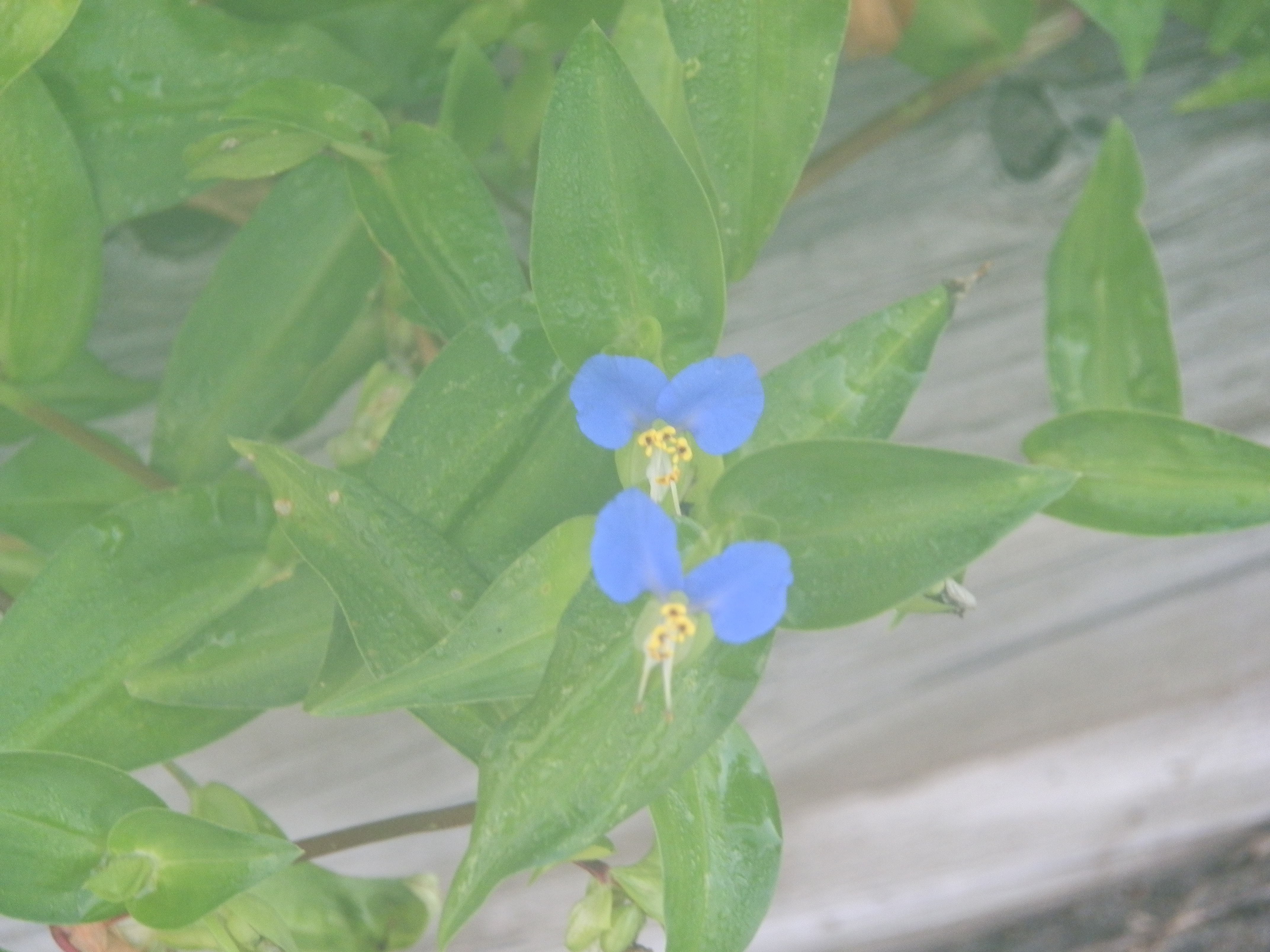
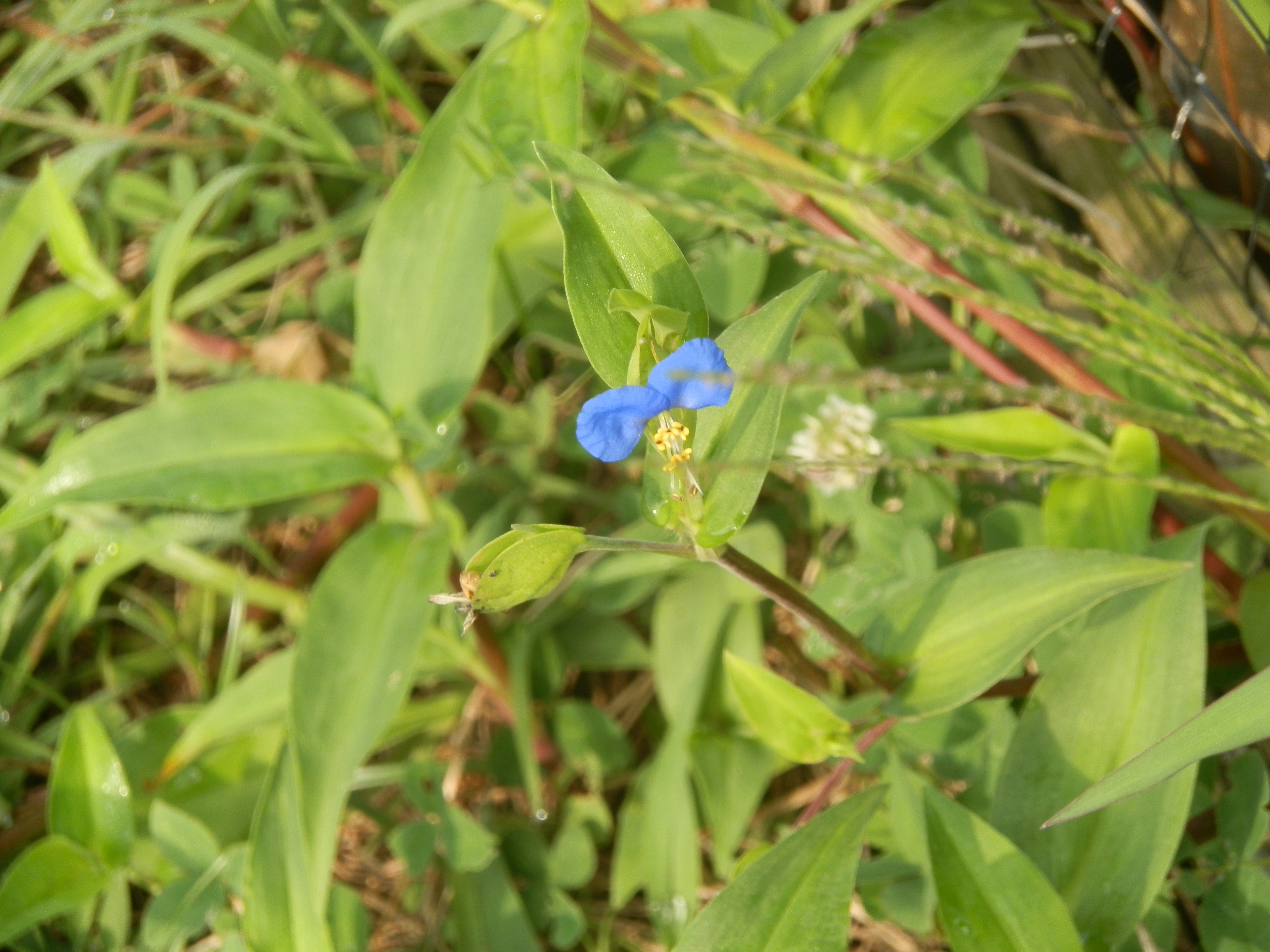
Walk around the edges of your yard and you might see it. Dayflower is that grass-like weed with the little blue flowers. It finds its way into our flowerbeds and goes unnoticed, hiding itself under the cover of larger plants until those two big blue petals jump out at us. There is also a small white petal that often goes unnoticed. Each flower only lasts for one day.

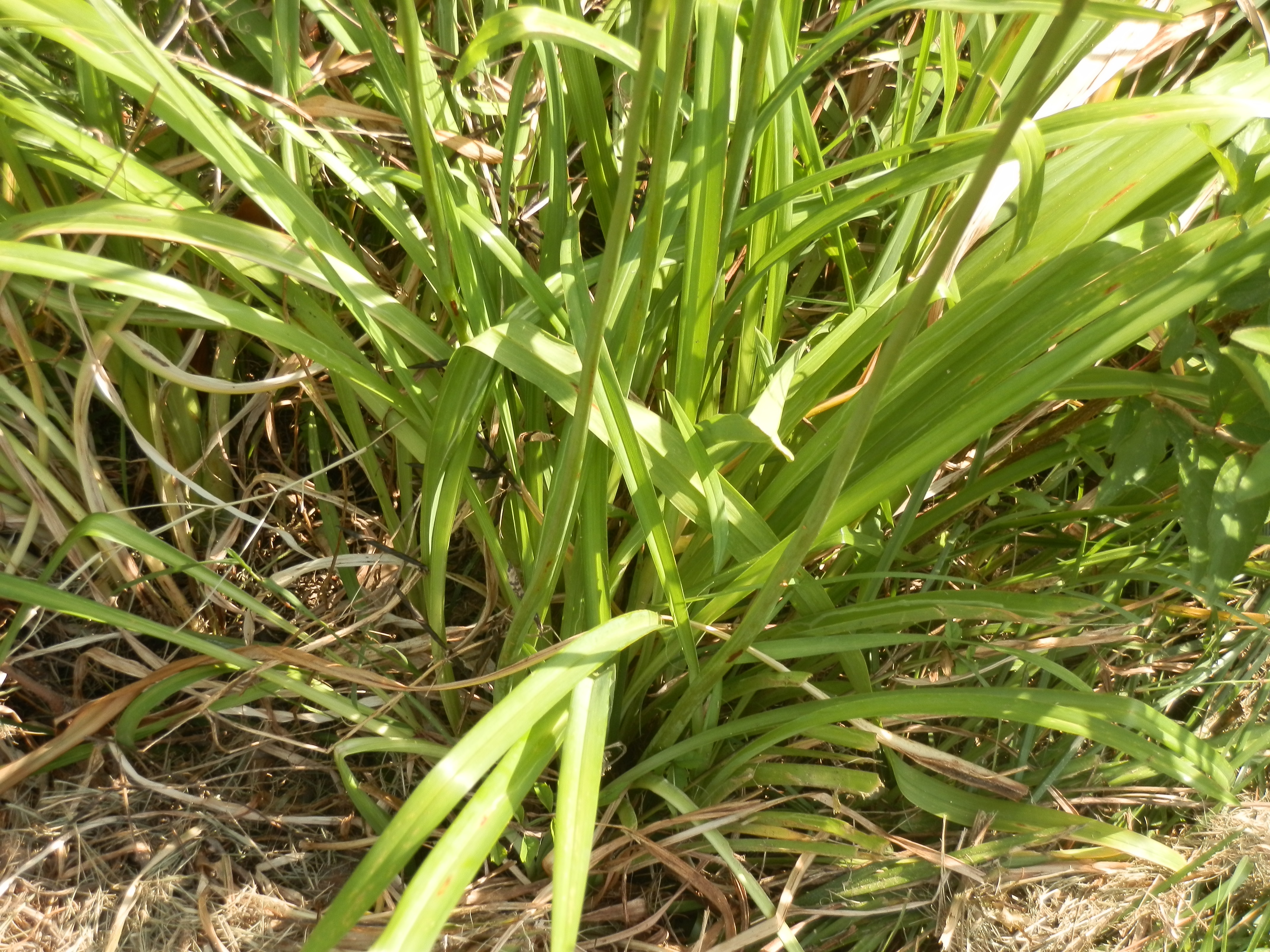
Originally introduced from Asia, common dayflower looks a little like a green Wandering Jew. It has short leaves two or three inches long on creeping stems. Leaves clasp the stems and often hair-like tissue resides in this area. When stems contact the ground roots form profusely where leaves emerge from the stems.

Plants rarely grow much more than two feet tall. That’s one reason it often remains somewhat camouflaged.  Deer-tongue grass is another species some confuse with it when plants are young, but once the blue flowers emerge identification is simple.

Dayflower is a hardy annual or tender perennial, meaning that controlling it is usually predicated on keeping it from going to seed. Quite often parent plants don’t survive substantial winters unlike its cultivated more compact cousin, widow’s tears. Dayflower grows well in wet shady areas or sunny places, especially if shrubs or other plants are present.

Dayflower looks harmless and delicate, but it can be an invasive weed. Few chemicals are effective against it either, and none that I’m aware can be purchased without a pesticide license. Unless plants are very young, Round-up isn’t effective within recommended rates even with multiple applications. Treatments with it merely endanger your desired plants. Hand weeding is your only decent option.

Don’t discard those invasive devils. The leaves are edible and mild tasting. I like them better lightly cooked with butter and salt, but they can be used in salads. They don’t get strong as the season progresses, but the stems become tough, so discard them. Leaves are oxalate accumulators, so don’t eat too many and be sure to cook them if you form kidney stones. I hear the seeds are edible, the flowers too, but I’ve never fooled with them.

The flowers can be used to make a bright blue ink. The blue colorant in the dye is a chemical called commelinin, interesting since the genus name of dayflower is Commelina. This dye, extracted extensively in Japan, fades when exposed to prolonged sunlight.

Dayflower is prescribed medicinally by herbalists to treat sore throats and tonsillitis. Since it is a diuretic it has been used to treat urinary ailments. Plant sap has styptic properties similar to those of plantains, yarrow and other wild herbs. Extracts also show antibacterial activity.

Research is presently being conducted on the use of dayflower extracts to treat type-2 diabetes. These plants contain alpha-Glucosidase inhibitors, which interfere with the breakdown of complex carbohydrates and formation of sugars. In short, they slow down starches from turning to sugars and keep too much blood sugar from entering the bloodstream. This could also help with obesity problems. Research is in its infancy, but it has potential.

dayflower

Thick stand of dayflower

dayflower

close-up of flower

dayflower

another flower close-up

dayflower

close-up of foliage


Ted Manzer teaches agriculture at Northeastern High School.

Posted in foraging | Tagged , , , , , , , , , , , , | 14 Comments

Creeping cucumber


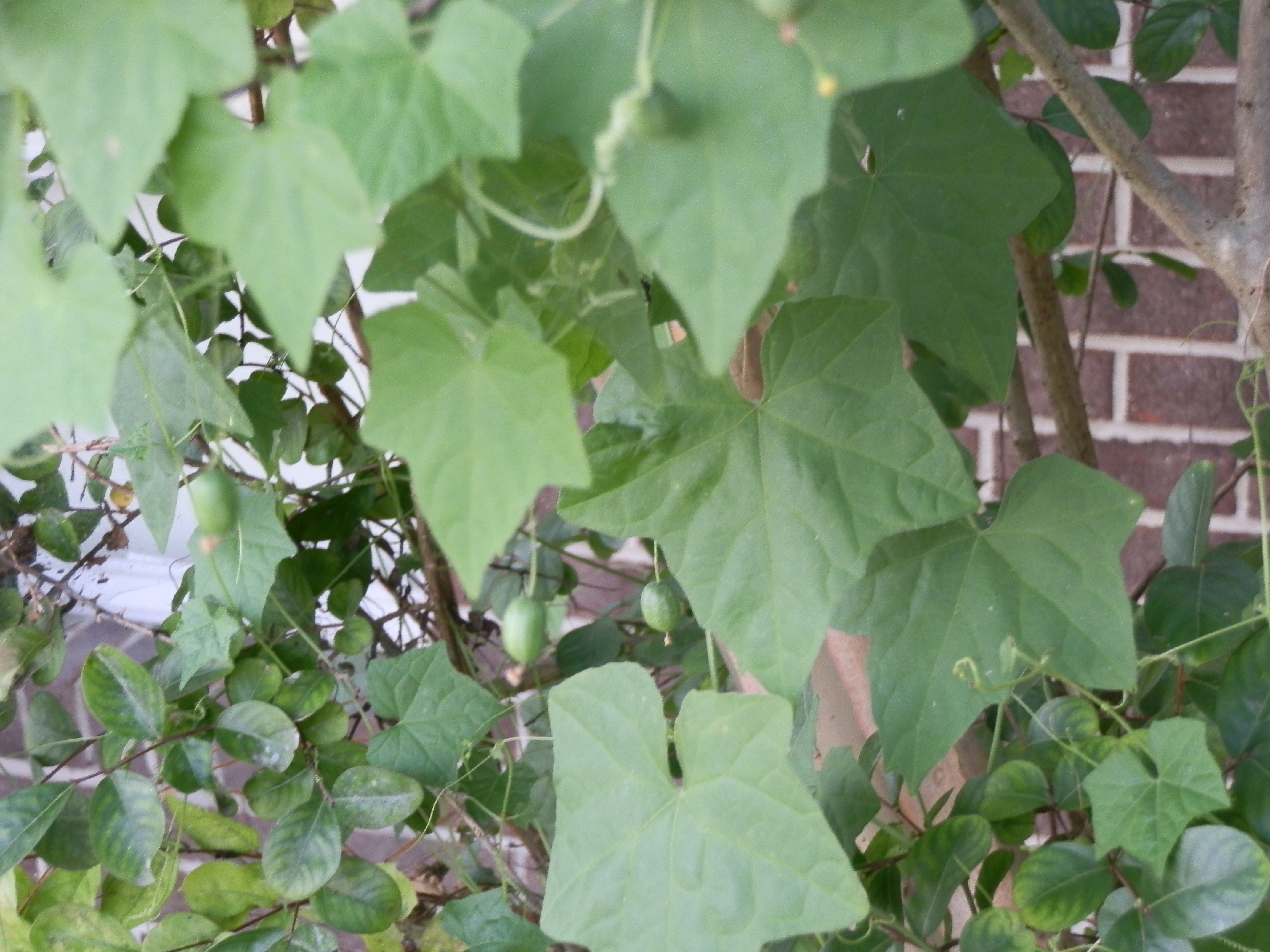
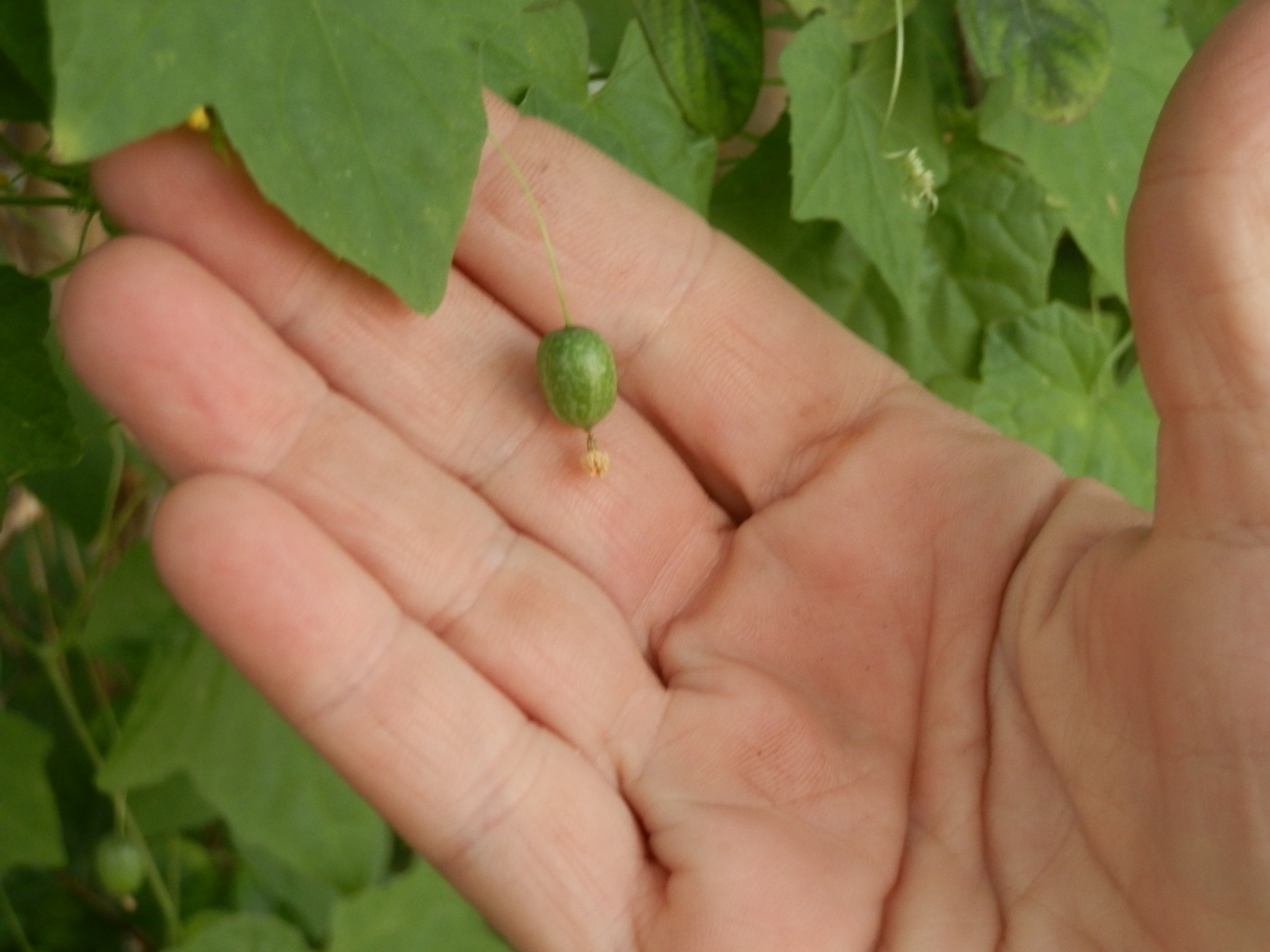
Few homeowners know this plant’s name, but many have cursed it. I’ve heard people describe it as that vine with the baby watermelons. Creeping cucumber or Guadeloupe cucumber are two of its most common names.

This delicate-looking vine (Melothria pendula) is far from timid. It has a growth rate almost comparable to kudzu. I’ve even had people bring it to me asking if it was kudzu. Some have inquired as to its edibility.

That’s a loaded question. According to the state of North Carolina it is poisonous, but many sources list it as edible. I’ve eaten a lot of it, so it can’t be but so poisonous.

There is one rule of thumb foragers should not ignore. Only eat small quantities initially. In this case make sure fruits are young and firm. They taste like cucumbers and can be eaten raw like berries. They’re great in salads. Vines are aggressive, so short supply is seldom a concern.

Older fruits will taste somewhat bitter, so you likely wouldn’t eat many anyway. Upon making the decision to ignore that advice you wouldn’t have to worry about irregularity for a while. Other than diarrhea I can find no other toxicity symptoms, but that alone can be sufficient to discourage most people. I have also found no sources that can pinpoint the toxicity to any compounds. Alkaloids and saponic glycosides are sometimes mentioned as being present but never implicated as dangerous.

The seedy fruits turn yellow and then nearly black upon maturity. Once they reach this stage they are extremely bitter, so toxicity shouldn’t be a problem for sane people. If they taste bitter spit them out. I suppose strong vinaigrette dressing and other flavors of a salad could complicate this.

Creeping cucumber is a perennial vine so it is important to identify individual plants for eradication. That sounds simple but it also spreads profusely by seed. Birds love the tiny fruits even when they are totally unpalatable to humans.

Delicate stems and soft English ivy-shaped leaves with tendrils can envelop shrubs in short order. Tiny yellow flowers look like cucumber or watermelon blooms and it’s easy to tell which are male and which are female just as it is on domestic types.

Those who have it want desperately to rid themselves of this uninvited guest. It covers anything, from vines to vinyl siding. It even grows underneath the siding. It can slither through any imaginable crack or crevasse.

We can’t blame this one on the Europeans or the Asians. This little devil is native. Control is difficult. Chemicals such as Round-up are effective early, but once this vine grows on your plants the only recourse is hand weeding.

The real funny, or from my perspective, tragic part of the story is that some nurseries and seed companies actually sell this plant as an ornamental. People flock to buy it just as they do trumpet vine, ironweed, ornamental deadnettle and Bradford pears. The next thing you know someone will develop ornamental dandelions or market spur weed as a ground cover.

creeping cucumber

Thick stand of creeping cucumber.

creeping cucumber

creeping cucumber vine on crape myrtle

creeping cucumber

ripe fruit


Ted Manzer teaches agriculture at Northeastern High School.
Posted in foraging | Tagged , , , , , | 21 Comments

Heat Lovers


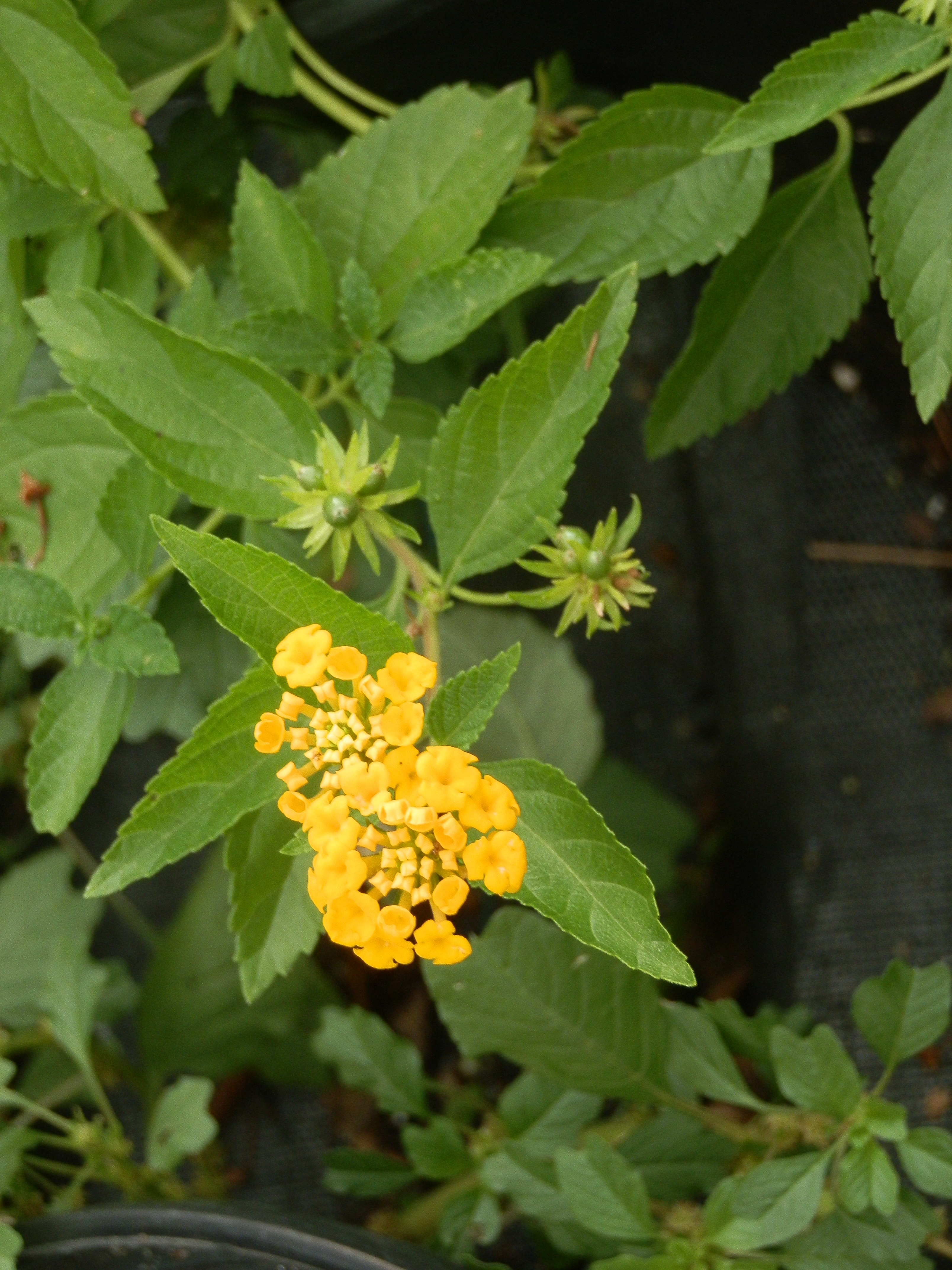
With the onset of this oppressive heat many of our landscape plants show signs of stress. Others thrive in it. Lantana is one woody perennial that can’t seem to get enough heat. I’ve seen it flourish when crabgrass and wiregrass wither.

Lantana does more than tolerate heat. This profuse bloomer is a great butterfly attractant. Ruby throated hummingbirds love them too. Most types are winter hardy in eastern North Carolina. They also provide us with healthy color when thermometers register around triple digits.

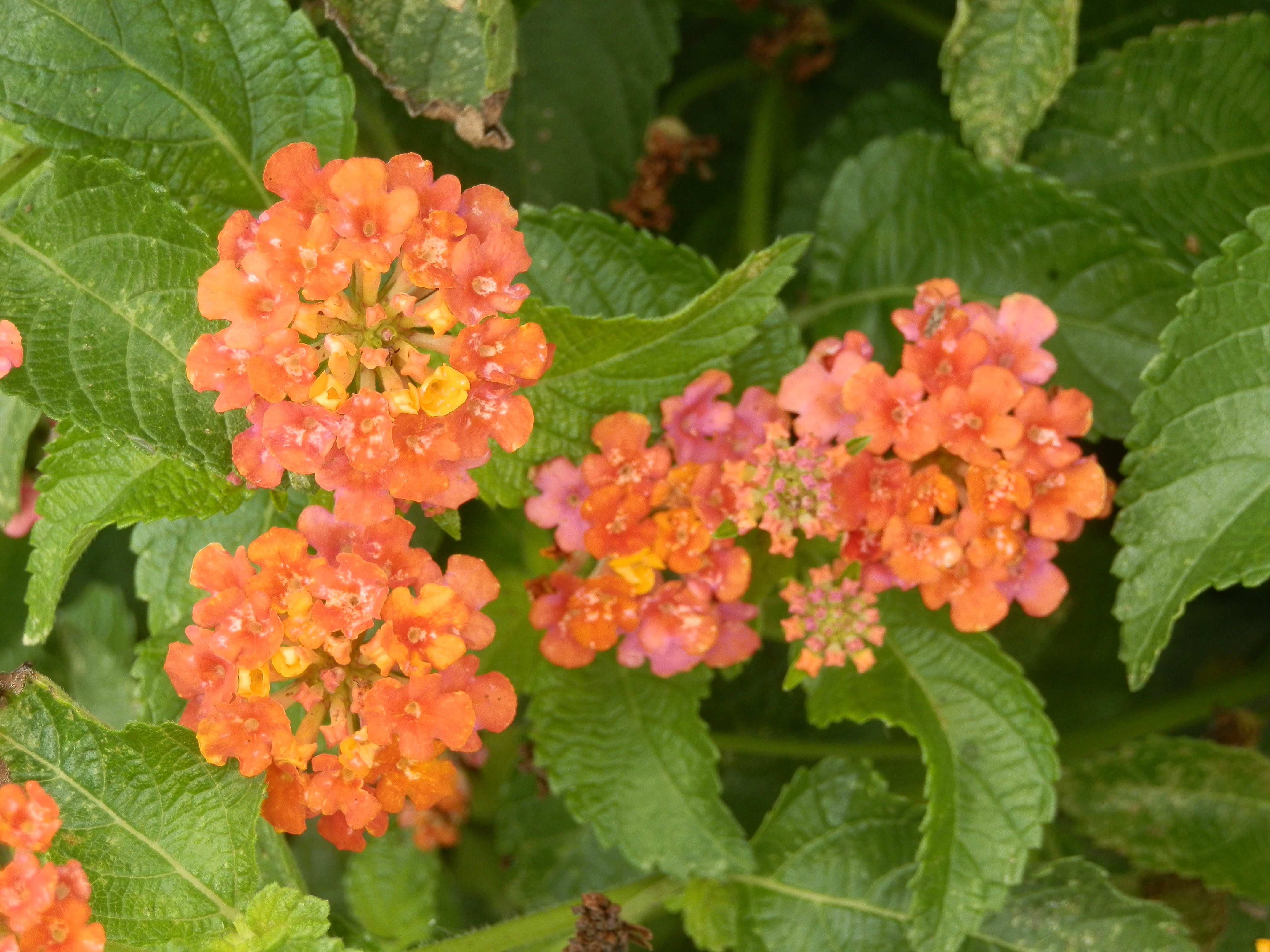
Flowers and foliage vary in their fragrance. Some have a sweet citrusy smell and others are not as pleasant. I have a large vigorous specimen that reaches over seven feet with gorgeous pink and yellow flowers. However, its crushed leaves smell like cat urine.

Lantanas come in many sizes, colors, and growth habits. There are low spreading types, like the bright yellow ‘New Gold’ cultivar. More upright and less spreading ones like the multicolored ‘Sonset’ and taller bolder specimens with a rainbow of colors, such as ‘Miss Huff’, which can grow six feet tall and spread even more adorn our landscapes.

All lantanas love full sun. They can grow in a somewhat shaded environment but won’t bloom as much. There is also significant variation in winter hardiness, especially in areas that may be wet for long periods when plants are dormant.

Lantanas are one of the last perennials to break dormancy in spring. Often buds don’t begin to shoot out of the crowns until almost mid May. Once warm weather comes, growth is fast. By July 1, most are in full bloom.

When flowers die, little berry-like fruits form. Many birds consume them and spread them all over the landscape. That doesn’t mean you can. Don’t eat them. Furthermore, keep them away from pets. Leaves and stems contain toxins too. Many sources list lantana as a medicinal species, but it’s not one I recommend.

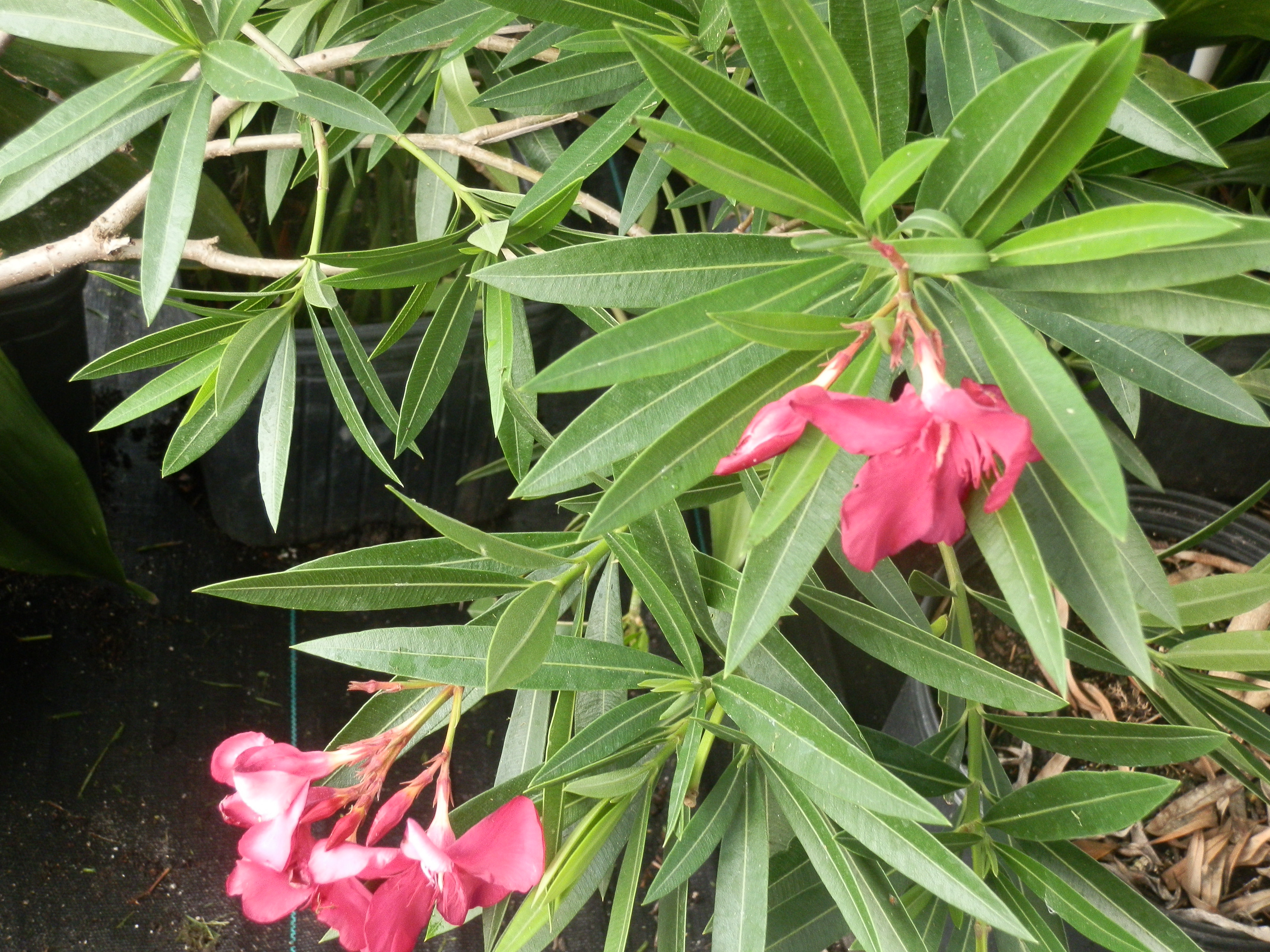
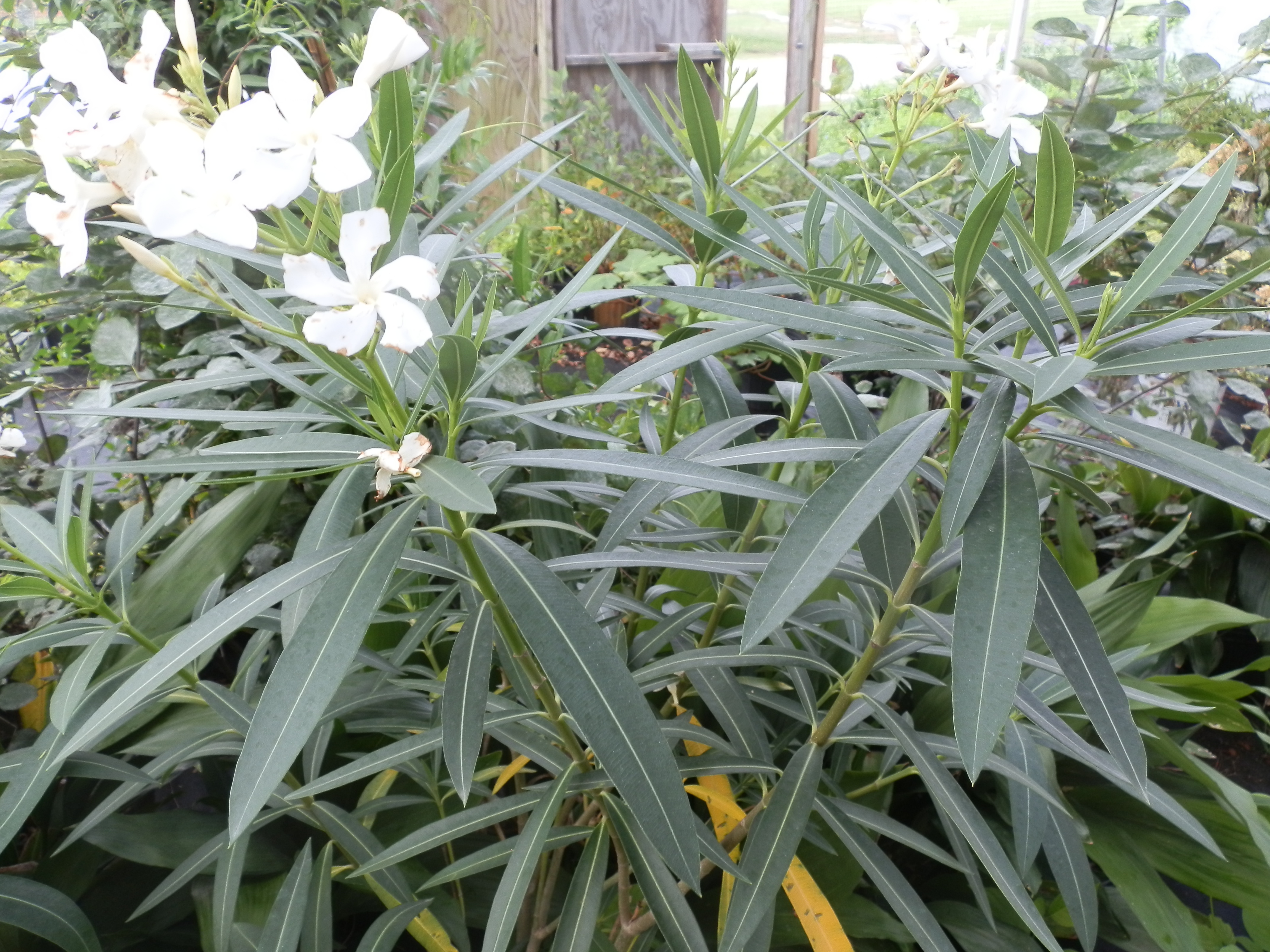
Another heat loving and also poisonous species is oleander, sometimes called desert rose. This shrub thrives in hot sandy soils and even tolerates salt spray, so it does well at the beach. Unlike lantana, oleander remains evergreen and doesn’t die back to the ground each year. It has long narrow leaves. Large clusters of funnel-shaped flowers bloom most of the summer.

Common colors are white, pink and red. Some cultivars can be maintained less than four feet tall while others are often at least three times that. Plants respond well to pruning. Don’t use these boughs as weenie sticks for your backyard barbecues. They are poisonous and could transfer toxins to foods. Leaves are especially toxic to most animals as are flowers, but all parts must be consumed to hurt you, so don’t freak out.

Considerable research is being conducted to use oleander to treat several types of cancer. In South Africa extracts are used to treat HIV. Epilepsy, skin disorders, heart problems and asthma are other problems addressed by oleander treatment. This is exciting research, but don’t play amateur pharmacist. Treating yourself with oleander could easily kill you.

Gorgeous bloom, horrible smell

Reliable ‘new gold’

Pretty multicolor lantana

Oleander foliage and flowers

More oleander


Ted Manzer teaches agriculture at Northeastern High School.
 

Posted in Uncategorized | Tagged , , , , | 16 Comments

Wild daylilies


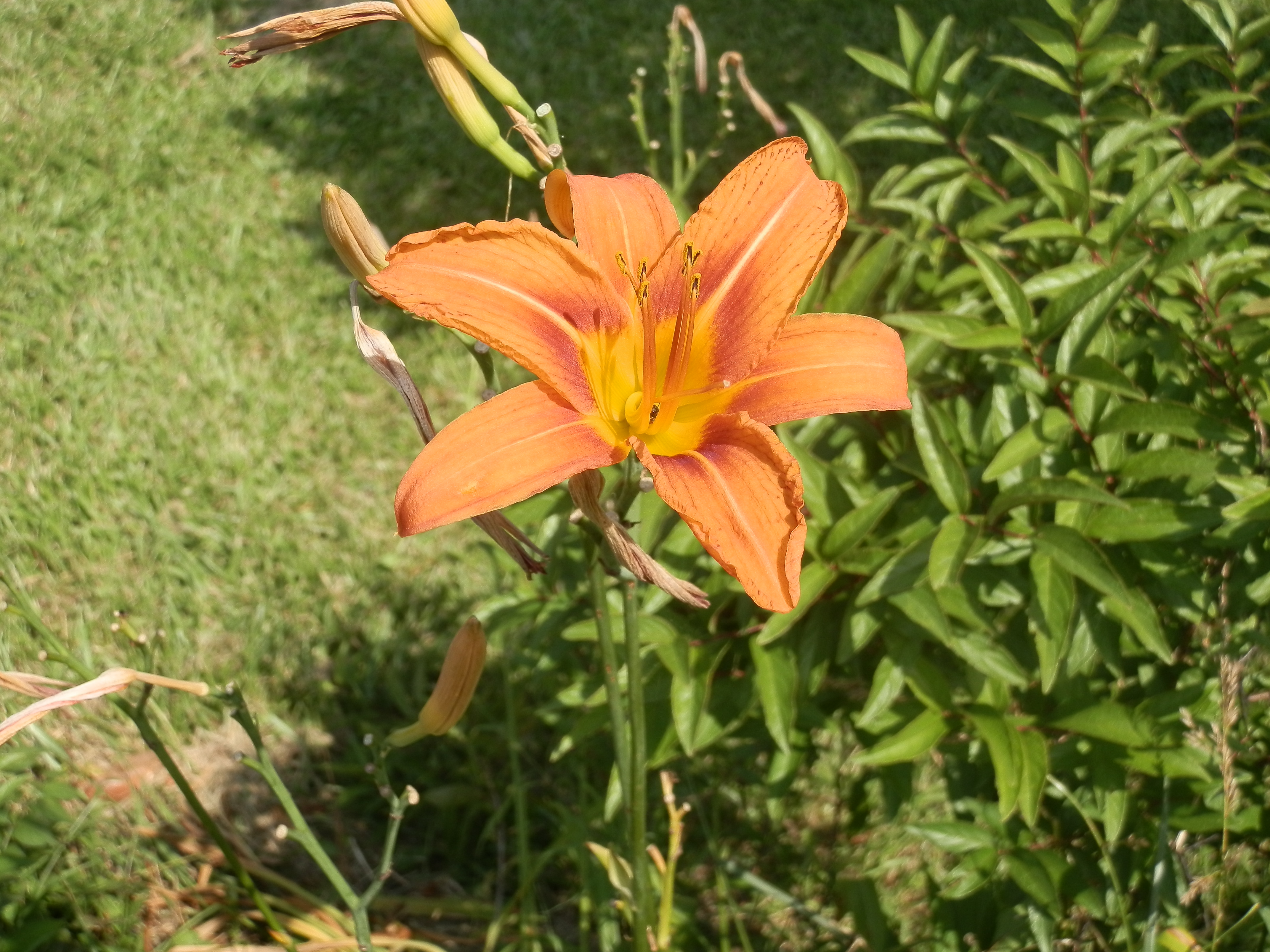
Take a drive down any road right now and you’ll see them. Daylilies (Hemerocallis fulva) are everywhere. Those wild orange ones spread into the ditches and are quite adept at holding the soil and curbing erosion. It’s a shame they only bloom for a few weeks and each individual bloom only lasts one day.

It’s no mystery why they are so plentiful. Daylilies can thrive in extremely wet to quite dry conditions. While they prefer sunny locations they are quite tolerant to long periods of shade. They are also very cold hardy and found in almost every state.

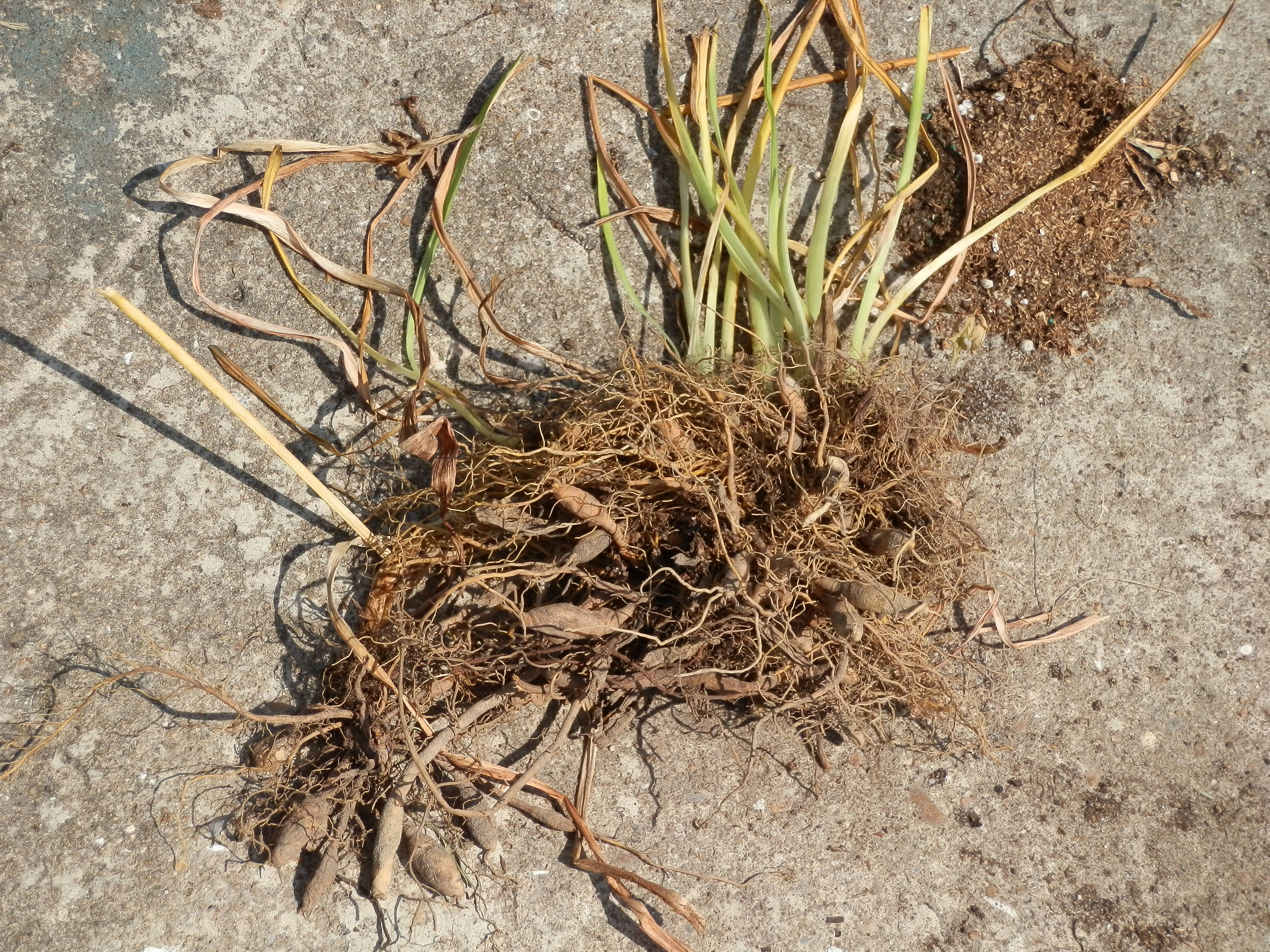
Daylilies can be invasive largely because they produce a thick network of tuberous roots much like small sweet potatoes. They form such a dense mat of subterranean tissue that no other plants can compete. As with many invasive species, daylilies are not native and originally came from Asia. They are an important medicinal herb in many Asian cultures.

Countless commercial varieties are planted as ornamentals. Some are tall like the wild ones and some are much shorter. All have six equal petals more properly called tepals. Flowers curve to face upwards. Leaves are distinctly folded and fan out opposite to each other.

In the past 30 years plant breeders have developed several continuous blooming cultivars. Colors range from cream to pink and even burgundy, but yellow and orange are most common. All need to be divided regularly so they don’t take over an area. You’ll have plenty to give to your friends.

What can we do if we don’t need all the extra plants? We can eat them. Daylily foliage is edible when young. Flowers can be eaten both raw and cooked. Flower buds make a great addition to any stir-fried dish. Both flowers and flower buds contain mucilage and can be added to soups to thicken the broth.

The tuberous roots look like miniature sweet potatoes and are also edible both raw and cooked. When raw they are crunchy like jicama, water chestnuts or turnip. When cooked they have the texture of sweet potatoes but are more bland. This means they add bulk without imparting a strong flavor that might clash with other ingredients. I don’t consider them a stand-alone dish. When stir-fried I think they are better if boiled first.

Daylily roots and flowers are rich in protein and vitamins A and C. Cooking usually denatures most vitamins, so uptake is better if you eat them raw. The problem is that raw daylilies, particularly the leaves, can make some people nauseous or cause diarrhea when eaten in large quantities. Cooking reduces these problems, but I still suggest consuming small quantities until you know how they agree with you. Too many give me gas.

When eating daylily leaves choose only young specimens. Once foliage matures it becomes bitter and many of the digestive problems are associated with the bitterness.

The nice thing about daylilies is threefold. First, unless you absolutely love eating them you’ll never put a dent in their population. Second, parts of the plant can be eaten all year. Finally, daylilies are distinctive and almost impossible to confuse with something else.

daylily clump

wild daylily flower

daylily root system showing tuberous roots


Ted Manzer teaches agriculture at Northeastern High School.

Posted in foraging | Tagged , , , , , , , , , , | 19 Comments

Yarrow – A versatile medicinal herb


A couple weeks ago I wrote a column about Queen Anne’s lace. Someone brought in a sample the other day and inquired if it was the wild carrot or maybe the poisonous water hemlock. I smiled and told her it was neither, but it was an herb with significant merit.

The plant in question is yarrow (Achillea millifolium) also a member of the aster family. According to legend yarrow was named after Achilles, the Greek mythical hero who used it to stop his soldiers’ wounds from bleeding. This herb has a much finer textured foliar featheriness than wild carrot or water hemlock, but like them it possesses clusters of white flowers which are wonderful for use in fresh or dried floral arrangements.

Yarrow is a perennial herb that is common over most of the US and Canada. It tolerates the extreme cold and dryness of some tundra areas to the heat and humidity of Florida. Single unbranched stems sprouting fern-like leaves grow up to three feet tall. Common yarrow was introduced from Europe but originated in Asia.

Yarrow spreads by a combination of seed and aggressive rhizomes. Seeds can transport the plant over a wide range, but the rhizomes are underground stems that pop up and form new plants. This helps individual plants squeeze out less dominant species and take over small patches.

This aster relative grows in full sun on a wide variety of soils. Wild varieties have white flowers, but many cultivated ones are grown ornamentally and can be yellow, pink, or red. Most ornamental types are less cold hardy, but still very adaptable to all parts of North Carolina. Best of all, deer don’t particularly like yarrow.

Yarrow has many medicinal uses. I already alluded to its styptic properties, but it is also a great fever reducer. All parts of the plants have chemicals that open our pores and help us sweat and reduce body temperature. The most common way to administer it is by making a tea. Three cups per day is usually sufficient. Bathing in an infusion of yarrow can be effective too, especially for children.

Yarrow contains volatile oils that have antibacterial properties. It has also been used to treat inflammation, indigestion, menstrual problems, insomnia and to increase urine flow. Many commercial preparations are available, but the herb preserves easily. In open air leaves and flowers dry quickly without degrading.

As with any herbal medicine, check with your physician if you are taking any prescription medication. Yarrow contains chemicals that interfere with blood thinning medicines like Plavix and Coumadin. You can use yarrow for indigestion, but not if you are using Nexium, Zantac, Prilosec and maybe a few others. Yarrow also lowers blood pressure, so if you already take something for that you might overdo it.

Whenever you embark on any medical regimen, do your homework. Learn as much as you can about what makes the drugs or holistic herbs work. Sometimes the active ingredients might even be similar from a chemistry standpoint. You’re never too old to learn so read many different sources (with different funding sources and political philosophies) and ask questions. Then use the brains God gave you.

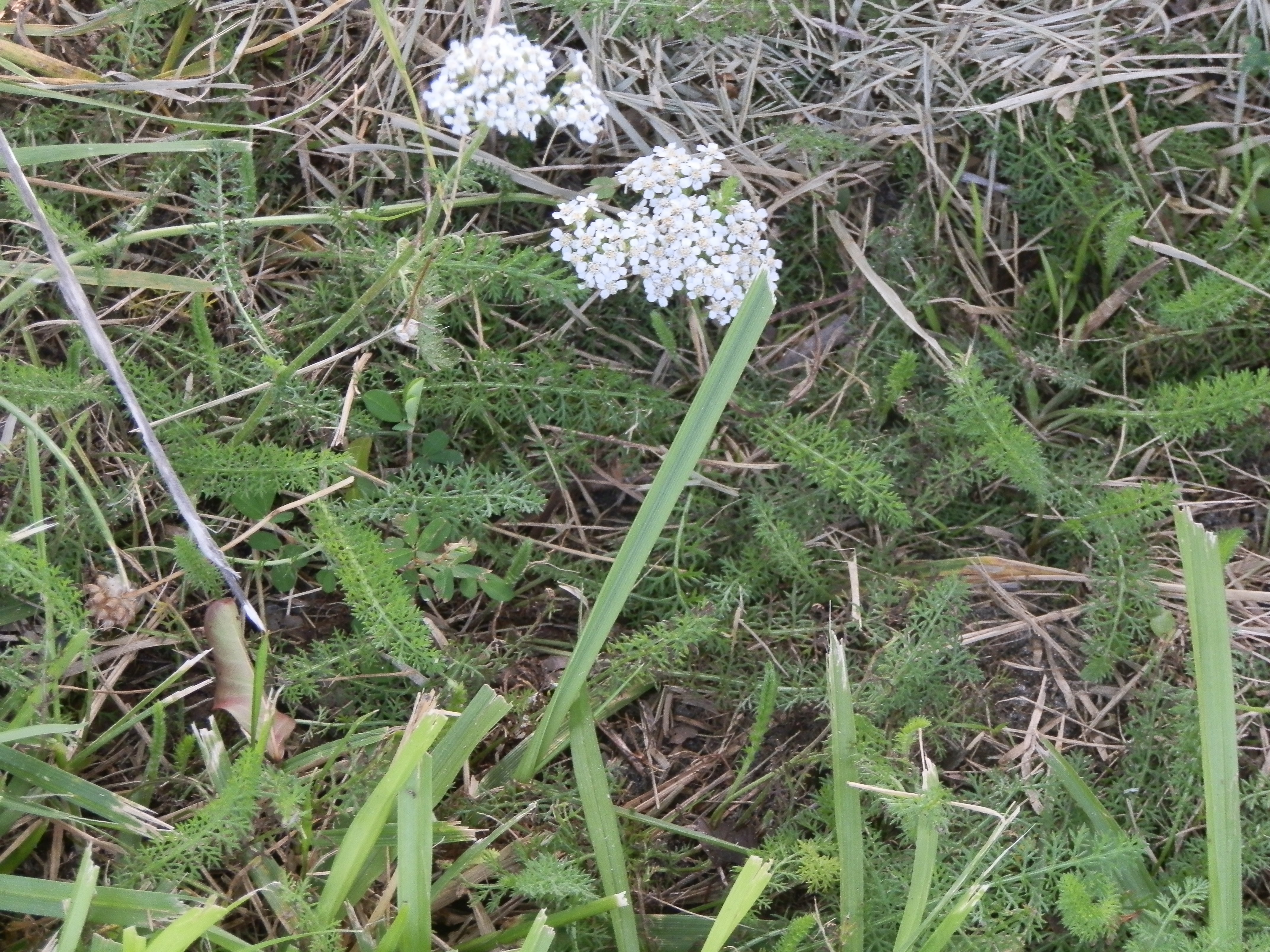
yarrow creeping into the grass

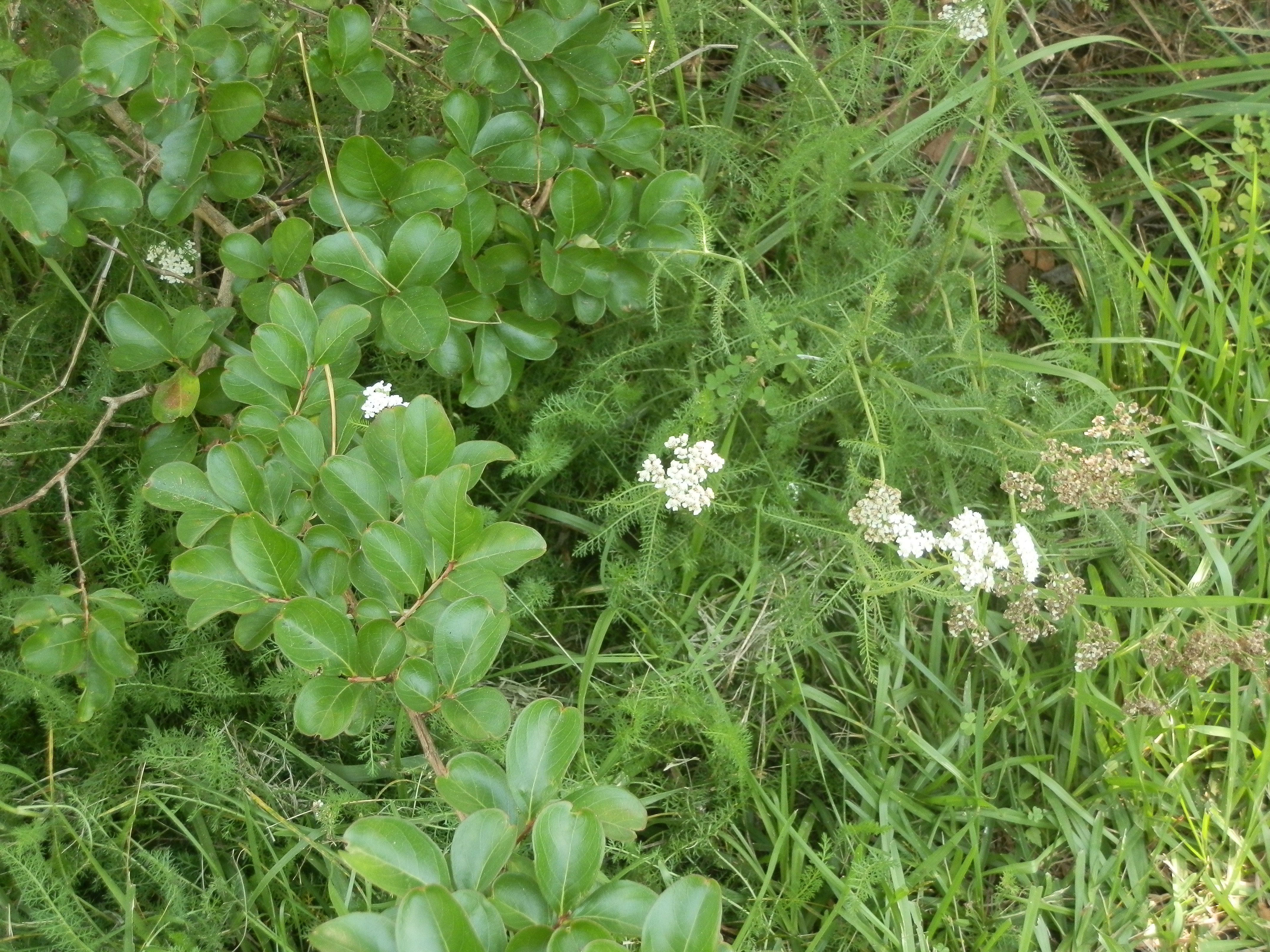
white yarrow flowers

yarrow growing under a crape myrtle

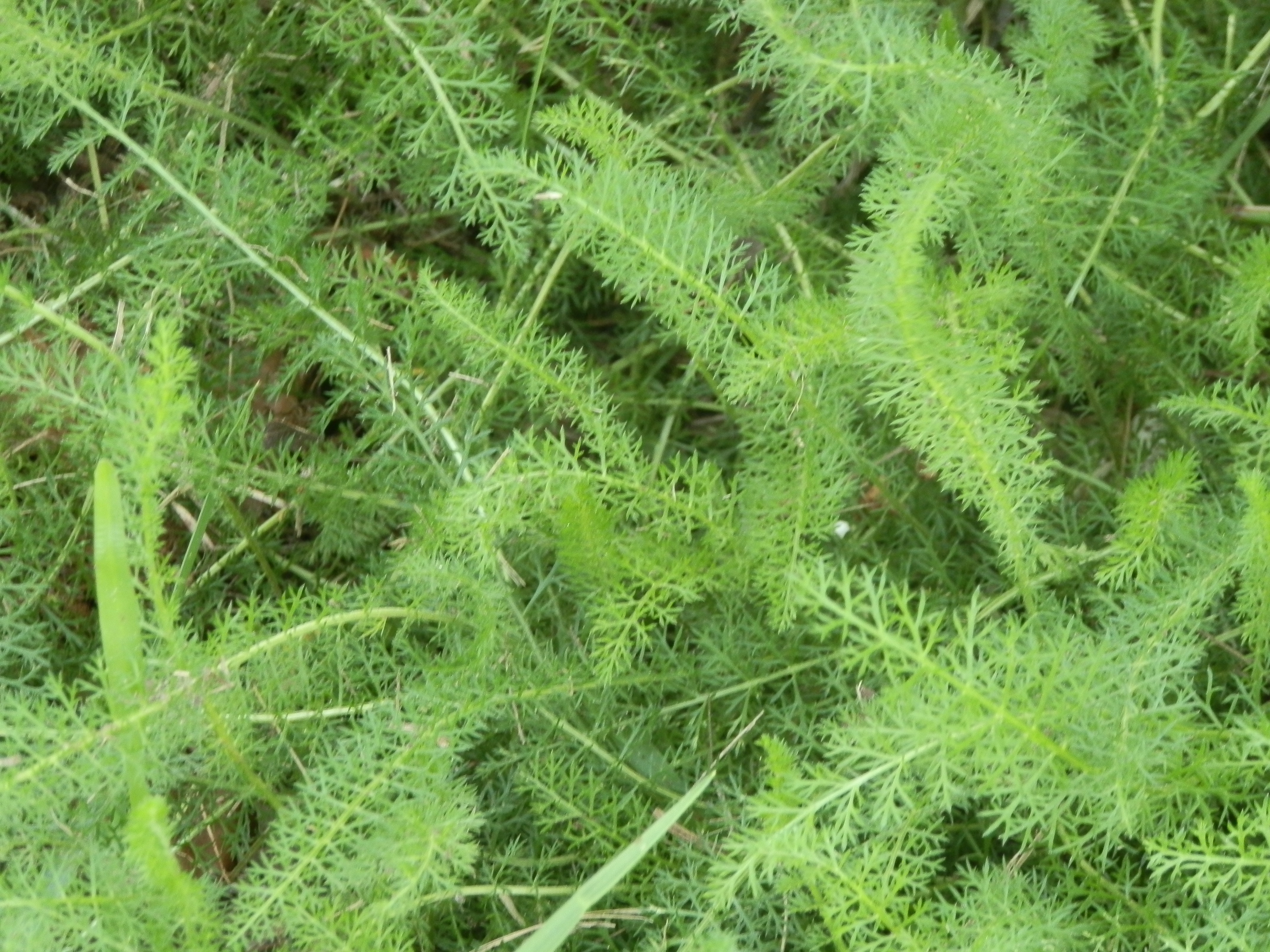
yarrow foliage

dense yarrow foliage


Ted Manzer teaches agriculture at Northeastern High School.
Posted in foraging | Tagged , , , , , , , , , , , | 9 Comments

Sweet Nectar


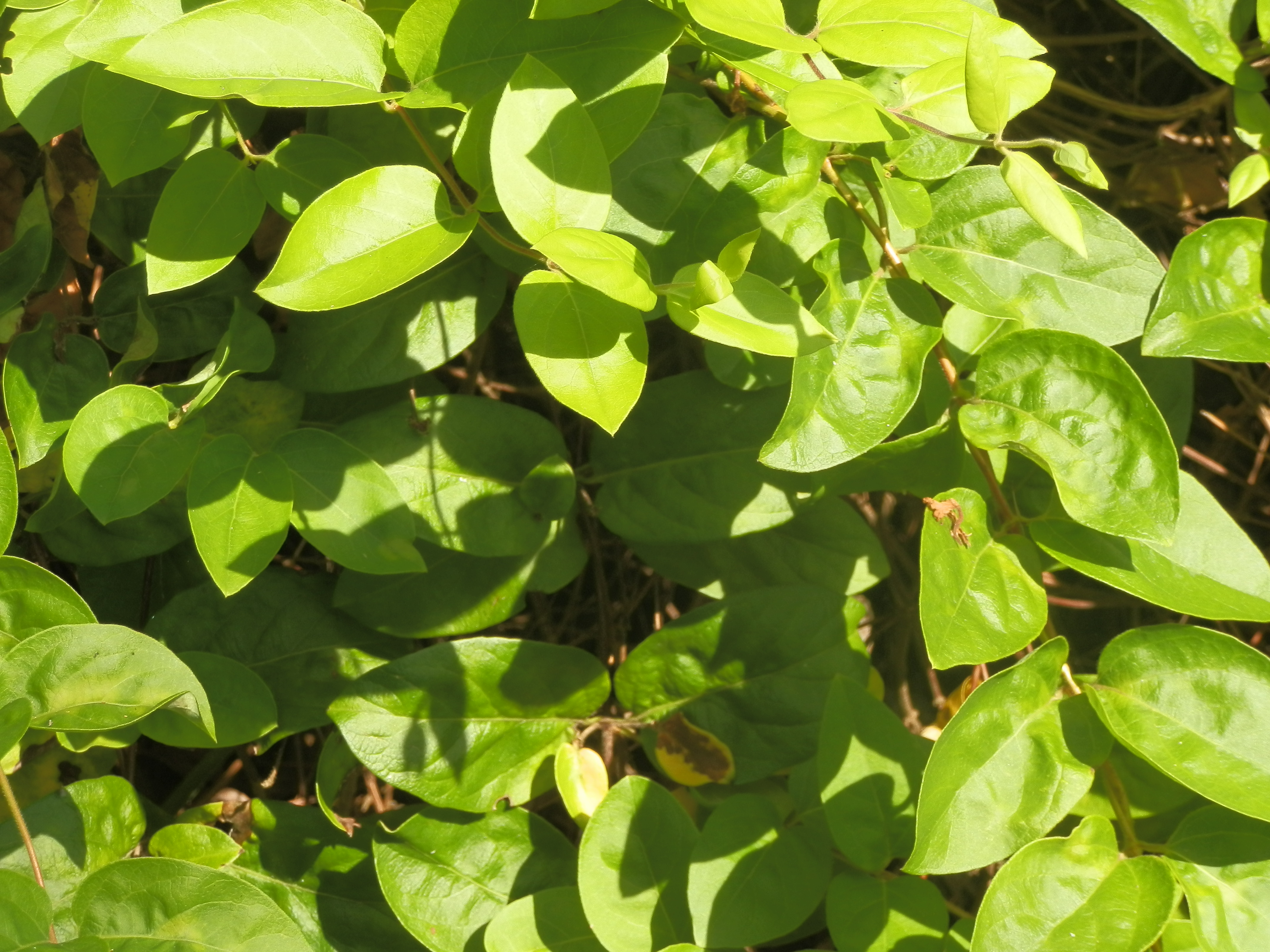
Take a walk along the edge of the woods right now and the delightful aroma of honeysuckle will hit you. You might not embrace the sight of those aggressive vines, but the white to yellowish pairs of flowers are striking and loaded with sugary juice. Honeysuckle fragrance is incorporated into perfumes and soaps, but there are many more uses for this unique flower.

Children everywhere have pulled off these delicate blooms and sucked the sweet nectar from them. Mothers need not worry. Those flowers are not poisonous. They make a fine herbal tea and can be used in cooking.

Collect the flowers and briefly boil or steam them. Puree the mixture and add it to your favorite sugar cookie recipe, remembering to reduce the liquid portion of the dough a little. The distinctive but delicate flavor makes a great change of pace.

I’ve seen recipes for frozen honeysuckle sorbet and honeysuckle pudding, but I’ve never tried them. There are several jelly recipes posted on the internet.

This vine will lure butterflies and hummingbirds to your yard. There is one problem though. This Asian introduction is one of the most prolific species anywhere. It is on the invasive species list for nearly every eastern state. There are native honeysuckles, but by far the most common species encountered in eastern North Carolina is the Japanese honeysuckle (Lonicera japonica). Don’t dig it up from the wild and transplant it in your yard. We don’t need to encourage it one bit. The birds spread enough seed around already.

This species is best left to the fringe places where forests and open areas meet. It provides cover and food to wildlife, though it also out-competes most of our native plants.

Vines can grow to the treetops and totally mask shrubbery. They climb on anything that will support them. Japanese honeysuckle is a perennial woody vine that spreads by seeds, underground rhizomes, and above ground runners. It has oval leaves that emerge from the stem in pairs. They are about three inches long and semi-evergreen to evergreen. Older stems have brownish bark that peels in long strips. Berry-like fruits are black when mature.

Avoid the seeds as there is mixed information concerning their toxicity. Some sources list them as quite poisonous. Foliage is questionable as well, though it is used in Asia extensively for medicinal purposes. Japanese honeysuckle has anti-inflammatory and diuretic properties.

Most homeowners would like to rid their properties of these pesky vines. Plants were introduced in the early 1800’s and they have all but assumed their victory over us. I’ve had the most success controlling honeysuckle by cutting it to the ground and spot-treating the freshly cut stumps with concentrated Round-up.

Use the kind that is at least 41 percent glyphosate. Two problems with this method are that you must be careful not to use too much chemical and you can’t hit any non-target plants. I shy away from foliar applications since it’s too easy to contact landscape flowers and shrubbery. The increased volume of spray makes it almost impossible to avoid desired plants.

Japanese honeysuckle

Japanese honeysuckle flowers

Japanese honeysuckle vine taking over a crape myrtle shrub


Ted Manzer teaches agriculture at Northeastern High School.
Posted in foraging | Tagged , , , , | 13 Comments

Callie


Callie was a part of our family for nearly 11 years. She was a hound shepherd mix and as stubborn as they come. There were times she’d simply exasperate me. She knew not to chase, but she loved it too much. She knew I’d punish her and put her on the cable run, but she did it anyway. Still I loved her and I know she loved all of us.

We found her dead in the yard two days after her eleventh birthday. She had no injuries we could detect, and she hadn’t been sick, though she didn’t eat anything that morning. In fact, she was in incredible shape for her age, lean and muscular; she still had blazing speed and the energy of a puppy. I thought about autopsying her, but since I couldn’t bring her back, what did it really matter what the cause of death was. I couldn’t do that to her.

We picked her up at an animal shelter in Calais, Maine in July of 2001. We have a cabin on Big Lake in Princeton about 25 miles away. Since we got her in Calais it was only natural to name her Callie. Callie loved the lake. There was always so much to do and so many things to chase. Our cats never liked that game and simply laid down and didn’t play along. They tolerated but tired of her and she with them. Callie was at home in the water. She also loved the boat. I’ll always remember her in her favorite spot, right up on the bow regardless of how fast we were going. I loved that dog!

This isn’t my typical post, but I just had to vent. Here are a few pictures of her.

Callie in HER spot

Grace, Oliver, Daniel, and Callie in 2007

Callie lounging with me on the hammock at the lake last summer


A little more relaxed

A little more relaxed

Posted in Uncategorized | Tagged , , | 14 Comments

Mother’s Day Memories


Timing is the key.  Everyone has heard that before.  Every place has its treasures, but you must be in the right place at the right time.

I love wild greens and I love Maine.  It’s where I was born and I lived there until I was 22.  Most people who visit do so in the summer, but if you don’t make it to eastern Maine by Mother’s Day you’ll miss the fiddleheads.  That’s truly a shame. Oh, I guess if you live up in Aroostook you’ve got a bit longer, but even up in the County summer can sneak up on you.

Fiddleheads (Matteuccia struthiopteris) are properly called ostrich fern.  When steamed or boiled they have a wonderful asparagus-like texture.  Their unique flavor has no comparison.  That assumes you’ve collected all of the proper species, have cleaned them thoroughly, and harvested them before they matured too much.

Ostrich fern, a perennial, grows in the floodplains of rivers.  Stem-like fronds are channeled or U shaped in cross-section.  Plants have separate fertile fronds which contain the spores (reproductive structures).  These will be persistent from the previous season and will be dead and brown in spring.  New ones don’t develop until later in the summer.  These dead fertile fronds can be used for filler in dried flower arrangements.

The leaves unfurl when they develop, so you want to pick them while they are still rolled up.  When they first emerge from their crown they look like the upper end of a violin, hence their name.  You should make sure they haven’t matured too much.  The heads should be tightly coiled with not more than a few inches of expanded frond.

The bases (petioles) of the frond should snap off cleanly.  Collect the entire clump.  They’ll grow back.  It won’t take long to amass gobs of them.

The cleaning part can be tedious.  Sometimes the brown membrane doesn’t come loose easily.  Be persistent as this material is bitter.  Your harvest may vary, and some may require very little cleaning at all.  Often a little winnowing between two five gallon buckets is all it takes.

If you collect more than you can use in 10 days or so you’ll want to preserve them.  They can well and you may freeze them also.  Just make sure you blanch them first.  I have also eaten pickled fiddleheads, but I’ve never prepared them that way myself.

In addition to boiling or steaming, fiddleheads are great stir fried or baked in casseroles.  They are even good mixed with green beans in a casserole. Experiment, because that’s the best way to learn.

I don’t recommend eating them raw, although they taste fine and have no inborn toxins that I know of.  The problem is that you will most likely collect them from recently flooded areas. Salmonella or other pollutants could be a problem.

Above all, make sure you have the right species.  Look for the U channel in the frond.  They also should be free from any hairiness.  If you’re ever lucky enough to be near a riverbank in eastern Maine around Mother’s Day, try to find some fiddleheads.  They’ll be worth it. Add a few fresh grilled or fried brook trout or smelts to the mix and you’ve got a memory that will last a lifetime. Mine has never faded.

Fiddleheads ready for the table

Fiddleheads ready for eating

Yes, they have value

Yes, you can buy them and they command a good price.

Ted Manzer teaches agriculture at Northeastern High School.
Posted in foraging | Tagged , , , , , | 9 Comments

Best Friends – The Guardians


He was a collie mix with no fancy pedigree. We picked him up at a local animal shelter, but a more loyal dog was never born. Trevor earned his keep. He herded my young boys around the yard and secured the place when we were gone. His natural protective instincts and love of all family members were obvious.

She was a mixed breed cat. Someone dropped Blazer and her six sisters off one evening and I saw the cluster of eyes when I headed into our long driveway. I scooped up the clowder of kittens and placed them in a huge nursery pot beside me on the truck seat. I carried them to the porch and Trevor nosed the seven felines.

We managed to give most of these fur balls away but were left with three. Blazer, Trevor’s shadow, lived with us for 14 years. One of her sisters lacked personality and was a lousy mother. Turtle delivered a litter of kittens and tossed each off the porch into the November snow.

Trevor tried gallantly to save each one, carefully collecting and tucking each back into the box beside Turtle. She wasn’t amused and tossed each newborn back into the snow. After a few repetitions all six kittens were dead. Trevor hung his head. Three weeks later I loaded all three cats into the pick-up and drove them 10 miles up the road to one of my best friends.

Paula was a veterinarian. Some considered it odd because of her profession, but she was my hunting buddy. I helped guide her to her first few deer. Paula spayed those three cats in about 45 minutes with incredible precision and efficiency. I assisted her. That was the last of our kitten problems.

Within the next year we lost two of those cats, one to a predator and one to my vehicle, but Blazer remained and she and Trevor drew closer. They slept together and cared for each other. I still have pictures of them curled up together in a large cardboard box. They were both blond and white. You couldn’t tell where one ended and the other began.

Neither would drink from a bowl, nor would they eat commercial feed. Both were foragers, but they stayed on our property. Blazer was a natural hunter. She ate mice, squirrels and chipmunks. She also caught rabbits and dragged them back to Trevor. He protected her from intruding stray dogs.

One day a huge Doberman grabbed Blazer and Trevor came running and tackled him. She escaped up a tree and I arrived with a piece on iron gas pipe before the larger dog could hurt him. When the danger passed she descended the tree and they nosed each other. It was a great relationship.

We left the leased property we lived on to our own farm when Trevor was four and Blazer was three. On the first night, which was on Thanksgiving weekend, we were preparing for bed when Blazer repeatedly squalled and leaped against the door and window of the kitchen. Roberta and I said almost in unison, “What in the world is wrong with that cat?”

We opened the door and Blazer bolted for the above ground pool. I rushed after her to find Trevor holding onto the deck by his toenails. I grabbed him by the scruff of the neck and yanked his 55 pounds out of the frigid water. He looked up at me as if to say, “I’m sorry.” After a few shakes he dragged his body toward his bed on the porch and Blazer followed him. Roberta and I looked at each other and knew we dodged a bullet.

Two years later we were on vacation when our babysitter’s son, who knew we were out of town, dropped by with his friends to clean us out. A friend discovered the break-in. Upon our return the investigating officer told me the perpetrators must have known the dog since he feared for his own life when he approached Trevor. According to police testimony my mutt had the other two boys bayed and was closing in on them when our sitter’s son called Trevor by name and told him everything was okay. They stole several firearms and a few other items.

Trevor knew he had been hoodwinked. He lowered his head until it nearly touched the ground. I petted him and told him it wasn’t his fault, but it took several days for Trevor to be himself again. His guilt bothered me as much as being violated by a person I trusted.

We sold the farm in West Virginia and moved here in 1996. Both came with us. Neither had ever lived within sight of other houses, but since they were getting up in years I couldn’t bring myself to imprison either with a chain or confining kennel.

Aside from the occasional rabbit or squirrel, both learned to get by on store-bought chow. Neither liked it very much, but without other options, they made the best of it. For a few years both adjusted well.

Trevor still would not drink from a bowl and trekked across the road every day for his fill of fresh running water. I didn’t like it but I understood. Having grown deaf he did this one too many times and a logging truck finished him.

Blazer watched us bury Trevor behind the garden and wouldn’t leave his gravesite for several days. He wasn’t just man’s best friend; he was hers too. As much as both loved us, they were even closer to each other.

Trevor and Blazer

Trevor and Blazer


Ted Manzer teaches agriculture at Northeastern High School.
Posted in Uncategorized | Tagged | 7 Comments

Palatable and Poisonous? It’s Pokeweed!


If you like to eat wild foods, this one is ready in the spring.  Pokeweed (Phytolacca americana) is not entirely useless in the fall; it’s just not edible.  The poisonous berries make a beautiful magenta colored ink that is somewhat colorfast, but not overly lightfast.  It’s a fun one for crafters to play with when summer winds down.

Poke is a perennial plant found in all states except for a few western ones.  It can grow up to ten feet tall.  Stems can be more than two inches in diameter.  Its large carrot-like taproot lives through the winter.  Pokeweed produces no tubers or rhizomes, so further dissemination is entirely by seeds.

Flowers and fruits are borne in long tapered clusters.  The fruits are purple to nearly black on the outside when ripe.  Each berry contains ten shiny black seeds about and eighth inch across neatly arranged in a ring.  These seeds are very poisonous.

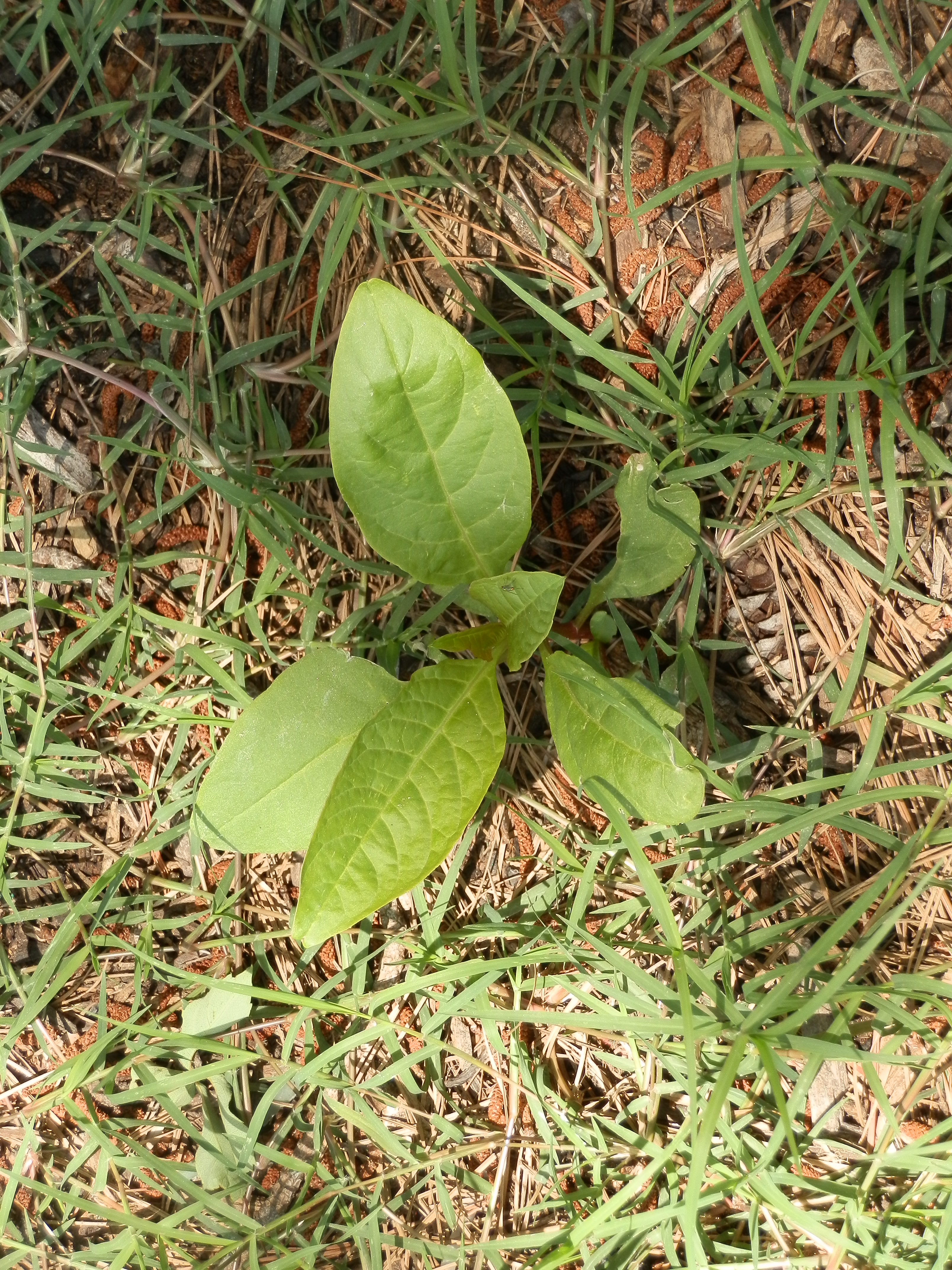
Leaves are arranged alternately and are large and pointed with a smooth edge.  Stems are reddish to purple and sometimes green.

In spring the emerging shoots make excellent cooked greens and remind many of asparagus.  Make sure to collect only young shoots and break them off above the ground.  Never pull them.  The roots are poisonous too.

I think it improves tender shoots to change the water once they reach a full boil.  If they’re taller than six inches or so a second change won’t hurt.  Otherwise they can be a little bitter, much like collards or dandelion greens can be.

Many southern grocery stores once carried canned poke greens.  These were fully processed and entirely safe.  In 2000, commercial poke greens became a thing of the past when the Allen Canning Company quit producing them.

Several toxins have been identified in species of Phytolacca, usually concentrated in the roots, berries and seeds. These poisons include an alkaloid (phytolaccine), a resin (phytolaccatoxin), and a saponin (phytolaccigenin).

Pokeweed also produces a very toxic plant protein called a lectin. Lectins can cause red blood cells to clump together and may stimulate abnormal cell division in certain white blood cells.  Lectins are the primary toxin in the world’s deadliest seeds, including the castor bean (Ricinus communis) and prayer bead (Abrus precatorius).  Consume only leaves and young stems and never eat them raw.

If all this scares you a little you might want to know that considerable research is ongoing with pokeweed.  Scientists have identified poke extracts as promising anti-cancer drugs.

Gardeners might note that Pokeweed potions have also been used to control snails. I’ve experimented with limited success.  Beer traps using modified 2-liter bottles have been more effective for me.

As with any wild plant, be careful to consume only small amounts until you are sure it agrees with you.  Also consider the collection location as pesticides might have been used recently and residues could be present.

If you are handling the fruits to make dyes for crafts, always make sure to wash your hands thoroughly just in case you might have a few seeds under your nails.

young pokeweed plant

Young pokeweed plant – Harvesting size


Ted Manzer teaches agriculture at Northeastern High School.
Posted in foraging | Tagged , , , , , | 9 Comments