Antioxidants are one key to a healthy body


In my columns I’ve frequently mentioned antioxidants contained in certain foods. I’m sure this sounds like a foreign language to some people, but at the risk of boring the audience I’ll attempt to explain what antioxidants are and do.

When we eat something, our body breaks its molecules down into simpler components. All this takes place inside our living cells. At the molecular level everything is made of tiny particles.

Inside each atom are positively and negatively charged parts. The center part is the positively charged nucleus. Electrons revolve around it and are negatively charged. Molecules are made up of atoms and both are more stable if they have a full outer shell of electrons.

If these molecules don’t have a full outer shell they either lose or gain electrons until they do. This trait makes them very chemically reactive. Within the body these particles are called free-radicals. All cells generate them continually.

If these free radicals steal an electron from a neighboring molecule a new free radical is formed. This alters normal chemical processes within a cell. Our cells take in food and oxygen. Oxygen helps break food down to derive energy. We call that process oxidation.

Once broken down into smaller components, cells use some of that energy to reconfigure the molecules into different ones. That’s how our body achieves growth and repairs. However, free radicals are formed in this process.

Oxygen is essential for life. It’s also responsible for the formation of free radicals. Free radicals also are found in the air. They also can be formed by ultraviolet radiation from the sun.

An excess of free radicals can be alleviated by consuming chemicals called antioxidants. Antioxidants stick to these free radicals almost like a magnet. This keeps other molecules from being attacked and changed. In the process these antioxidants become relatively stable compounds and tend to stop the domino effect of molecular breakdown. Our body processes run more smoothly.

Vitamins C and E are important antioxidants. Some minerals such as selenium and manganese are antioxidants, and there are plant compounds that break down free radicals, such as beta carotene, a precursor to vitamin A. Lycopene is another antioxidant found in tomatoes. Resveratrol is an important one found in grapes and other fruits.

So what’s the best way to get these antioxidants? There is one simple answer, by eating healthy foods containing them. Supplements can often exacerbate the problem. Consuming too much in concentrated form can essentially cause the same problems the free radicals do.

Eating a balanced diet with lots of fruits and vegetables will provide the body with lots of antioxidants. While it may sound funny, bright colored foods are best. That’s assuming they’re not altered with artificial coloring.

Raw foods are important too, because many vitamins can be destroyed by cooking. I’m by no means saying we shouldn’t cook things. I’m only saying we should always include raw fruits and vegetables in our diet.

As for supplements, always consult your doctor. If he or she prescribes them, by all means take them. Otherwise be wary of mega-doses. You could be asking for trouble.


Ted Manzer teaches agriculture at Northeastern High School (tmanzer@ecpps.k12.nc.us).
Posted in Uncategorized | Tagged , , , , , , , , , , | Leave a comment

For Christmas trees there’s nothing like the smell of fir


I’m a fan of live Christmas trees. I know they’re messy and can only be used once, but artificial ones just can’t capture the same atmosphere. Finding just the right tree brings out the child in everyone.

It’s been years since I’ve had the total experience of wandering the forest edges to find that perfect specimen. These needled evergreens need good light for dense branching. Christmas tree farms further accomplish the feat by regular pruning. Wild trees have that special romantic appeal, but they’re never as thick and uniform.

Numerous species can make attractive trees. When I was a kid we always used balsam fir, mostly because it was one of the most prevalent species in Maine. I knew several people who made a decent living harvesting wild trees and shipping them all over New England.

In North Carolina the Fraser fir is king of the Christmas trees. Most are somewhat silvery blue while balsams are darker green. Otherwise the two species are similar but their natural ranges don’t overlap.

These fragrant firs are adapted to different growing conditions. Frasers grow well at higher elevations on drier sites. Balsams tolerate wet soils much better, but won’t thrive this far south. Over the years I’ve dug many seedlings in Maine and brought them back here. I’ve kept many of them alive, but none have thrived.

Numerous species are used for Christmas trees but as far as I’m concerned no eastern species can match the qualities of these two firs. Both have great needle retention and aroma. Many different pines and spruces sometimes find their way into our living rooms too.

Blue spruce is a popular species often dug and their root balls wrapped in burlap. These trees should be planted outside as soon as possible after the holidays. They make a great landscaping tree, but they don’t grow especially well in the coastal plain.

I remember one of our neighbors chastising someone else for using a white spruce as a Christmas tree. This species is very common in Maine and usually has an attractive shape. Its odor is far from pleasant. Another name for the tree is cat spruce, and the odor is nearly identical. I’d never want one of them in my home.

Black spruce was a favorite of one my dad’s friends. I think he sought this one out largely to be different. These swamp dwelling spruces don’t smell like cat urine, but the needles are very short and don’t hold as long as balsam or Fraser fir.

Douglas fir and Scots pine are two other commonly used species grown for Christmas trees. Scots pine once was the leading plantation grown tree, but Fraser fir has now surpassed it. Douglas fir is more popular out west and it really isn’t a true fir anyway. Its genus name is Pseudotsuga, which means ‘false hemlock’.

I’ve even seen people use white pine or red cedar as Christmas trees. My wife’s family always cut a white pine. They had little choice. White pine was the only needled evergreen available. If you live out in the sticks you use what you’ve got.

Regardless of species, I prefer any live tree to artificial. Still, there’s nothing like the smell of fir. You can’t say the same for cat spruce.


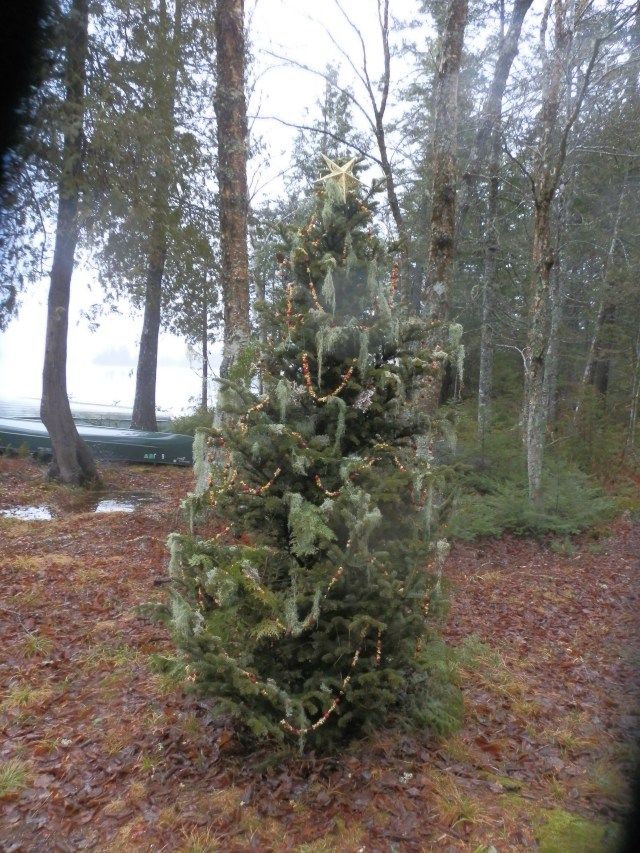
Our 2015 Balsam Fir Wilderness Christmas Tree

Our 2015 Balsam Fir Wilderness Christmas Tree

Close up of our natural decorations - Old Man's Beard, popcorn and cranberries

Close up of our natural decorations – Old Man’s Beard, reindeer moss, popcorn and cranberries


Ted Manzer teaches agriculture at Northeastern High School (tmanzer@ecpps.k12.nc.us).

Posted in Uncategorized | Tagged , , , , , , , , , | 2 Comments

Creating family traditions strengthens Christmas memories


Everyone knows the reason we celebrate Christmas. We must never forget Christ is the reason, but every family can make the season personal by enjoying certain foods and activities that make us think of Christmas. What may become a tradition to me might not be one to someone else, but that’s what makes it special.

My children always looked forward to our traditional Christmas breakfast. On Christmas Eve I mix up a batch of yeast bread dough and let it rise overnight. In the morning I get up early and pinch the dough into rolls so they can rise again. While they rise I heat some oil to just below the smoking point. Then I fry them and serve them with maple syrup.

It’s important to me to use only real maple syrup. After all, we usually only eat these at Christmas and Easter. My mother called them singing biddies. I don’t really know where the name came from, but they’ve been a Christmas tradition for my kids as long as they can remember.

We always make homemade eggnog too. My children are all eggnog drinkers, but I rarely make it at any other time of the year. Perhaps I should. It’s good for you and it tastes great.

Mincemeat pie is another family tradition for dessert at Christmas time. Occasionally I make it for Thanksgiving, but usually Christmas is when I get to enjoy its rich spices of cloves, cinnamon and nutmeg and their interaction with raisins, currants and finely chopped apples.

All traditions need not be the same. I know many other people have different ones. That’s one thing that makes the season so personal. We can equate foods and other activities we like with the season when we celebrate the coming of Christ.

Some folks have a certain cookie recipe they only prepare during this season. It could easily be prepared any time, but the cookies become more special because we associate them with Christmas. It’s also more fun when everyone in the family gets in on the act. Children remember the fun of the activity and pass it on to the next generation.

Nearly everyone has recipes prepared only at Christmas. Who has ever heard of eating fruitcake in the summer? Fig pudding is a food tradition for some. I’ve made it, but it has never established itself as a family tradition. That might be a good thing as it’s quite calorie dense.

When I was much younger we used to go Christmas caroling. This was usually a cold activity, but it was fun. Caroling was important to my wife when she was growing up, too. She and her family and friends would hitch the hay wagon to the tractor and ride several miles through the rural West Virginia hills, singing and keeping each other warm.

I’ve just scratched the surface of Christmas traditions. The important part is that while we might enjoy these activities and foods, we must always remember why they are special. I know celebrating Christmas is a personal thing, but there’s a reason it’s called Christmas.

OLYMPUS DIGITAL CAMERA

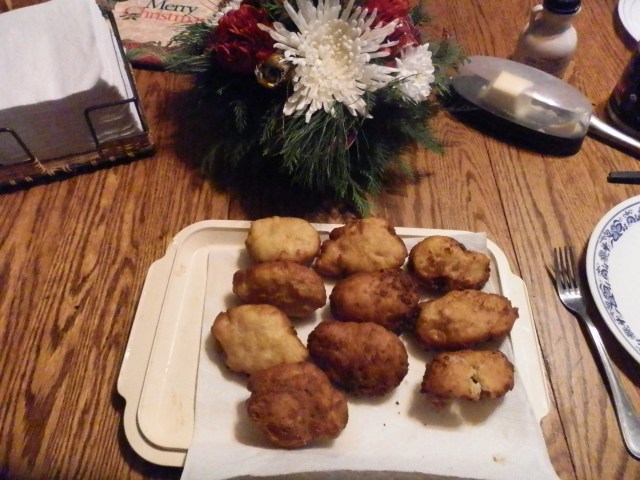
Nice platter of singing biddies on Christmas morning


Ted Manzer teaches agriculture at Northeastern High School (tmanzer@ecpps.k12.nc.us).
Posted in Uncategorized | Tagged , , , , , | Leave a comment

Rambutan is a tasty nutritious conversation fruit


I like to try new things. You never know you like or dislike something until you try it, the saying goes. I was perusing Wal-Mart recently and noticed some red spiny looking things

rambutan fruits

rambutan fruits

in the produce area. They looked like sea urchins.

They were fruits called rambutan (Nephelium lappaceum), native to Malesia and they’ve spread to surrounding areas. Naturally, I bought some.

They look like they’d tear your hands up, but they are soft and surprisingly easy to peel. The fleshy part under the skin is white to translucent and contains a single elongated seed. The flesh itself has the texture of a peeled grape. According to most sources, the flavor is similar to pears. I think it favors grapes, though that might be because of the texture similarity.

Rambutans are related to Lychee fruit (Litchi chinensis). Lychee’s are those red fruits that look a little like red sycamore balls, rounded strawberries, or maybe huge dry raspberries. Both rambutan and lychee grow on trees. Rambutans usually grow 20 to 30 feet tall and can attain heights of 60 feet. Lychee trees sometimes reach 100 feet.

Rambutans are evergreens with foliage that at first glance might remind one a little of hickory or pecan trees. Leaves emerge from stems singly like pecans, but they have a more leathery texture and their edges are smooth.

Rambutan trees are another one of those polygamo-dioecious species. Some are male and some are female and some have both types of flowers. Trees with both flower types usually bear the most fruit. Rambutans produce fruit in spring but a greater quantity in fall.

Don’t expect to grow any of your own unless you have a big greenhouse. Rambutan trees could not possibly survive our winters. They would need to be planted in protected places to survive in south Florida.

Fruits are filled with antioxidants such as vitamin C. They’re also high in essential minerals too, like iron, copper, manganese, calcium and phosphorus. Like nearly all fruits they are also high in fiber.

Wild claims abound on the internet. This fruit is touted as a cure for some cancers. Some researchers claim rambutan can help control blood sugar levels. Others claim that due to high levels of vitamin C, sperm quality and quantity will be increased.

Treatments for many other maladies are also reported also. Therapeutic uses range from treating dysentery to weight loss to headaches to fever. Some even say rambutan can help maintain healthy hair and proper skin hydration. Most treatments involve using other parts of the rambutan tree like leaves and seeds.

Now I’m not saying we should believe everything we read on the internet. I certainly don’t, but I am saying these fruits are definitely safe to eat and they taste pretty good. The slippery texture might be a turnoff to some. Nothing’s perfect.

They are a bit more pricy than our commonly consumed fruits. Being a self-admitted cheapskate, I won’t partake of them on a regular basis. I won’t turn my nose up to them either if some are offered to me.

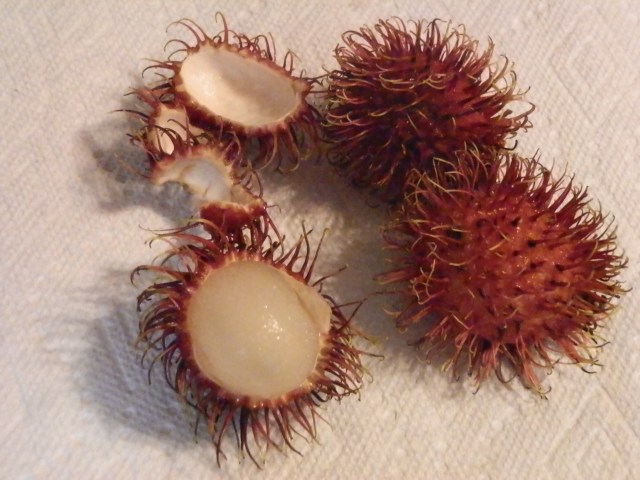
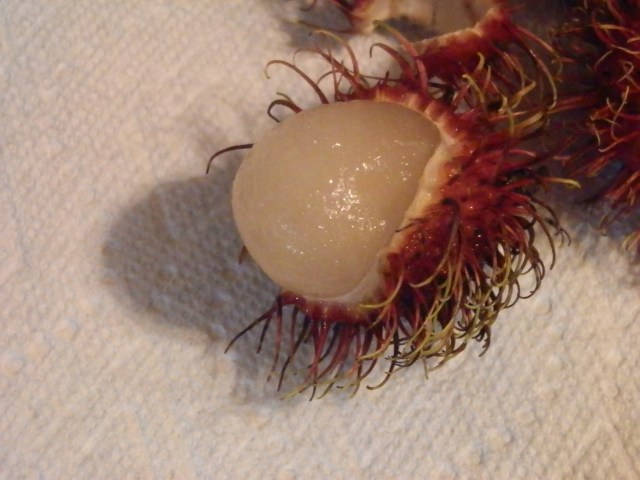
close-up of partially peeled rambutan fruit

close-up of partially peeled rambutan fruit

Ted Manzer teaches agriculture at Northeastern High School.

Posted in foraging | Tagged , , , , , , , , , , , | Leave a comment

Carolina jessamine provides winter color and privacy


It’s so hard to find landscaping with winter interest. Once mid-December hits and freezing temperatures are commonplace, most fall foliage color is gone. Very few flowers and flowering shrubs are blooming either.

Carolina jessamine (Gelsemium sempervirens) still manages to display some yellow funnel shaped flowers, though the full display won’t be realized until spring. Lately mine have been glorious.

Once established, this perennial woody vine really makes impressive growth. Smooth edged evergreen leaves emerge from stems in pairs. This time of year they begin to develop a bronze cast. Foliage growth has stopped for the year, but flowers will pop out periodically throughout the winter during mild spells.

Plants tolerate a wide variety of soils. When they are young they require moist sites but once they become established they tolerate drought very well. Jessamine also has few disease or insect problems.

It’s not a huge fertilizer user but it will respond to regular feeding. It’s important not to over fertilize with nitrogen. Foliage might be gorgeous but flowering will be impaired.

This aggressive vine thrives in full sun. It also performs quite well under partial shade, though blooming is much better in sunny places. Plants can be pruned during any season. In sunny spots with regular pruning it can even be maintained as a ball shaped shrub.

I don’t like to trim them during fall as the chances of winter kill are greater. However, if plants die back some they can be pruned back severely in spring and rejuvenated. Once established they are hard to kill. They even make a good ground cover on steep slopes.

Jessamine covers a fence or trellis with glossy leaves and deer will leave it alone. There’s good reason for that. Every part of the plant is poisonous. Pets generally won’t touch it, but if plants are ingested they could potentially cause problems.

Symptoms of jessamine toxicity are muscle weakness, paralysis, decreased respiratory rate, hypothermia, difficulty swallowing and breathing, vision problems and seizures. Eventually if left undiagnosed pets could die. Alkaloids gelsemine, and sempervirine are the two major toxic substances.

Numerous sources state medicinal uses for the rhizomes of this plant.  Preparations from these underground stems are used to combat fever and severe coughing. They’re also used for some nerve problems like sciatica.  I urge not trying it unless specifically prescribed by a licensed herbalist. Dosage mistakes could be fatal. Less than a teaspoon of crushed rhizome could kill you.

Carolina jessamine is native to our area. For that reason alone it is often coveted for landscape use. Plants can spread into adjacent areas but their invasiveness is far less problematic than that of other woody runners like trumpet vine, Japanese honeysuckle or wisteria. I’ve never seen Carolina jessamine crowd out and kill other vegetation like those do.

Still, since they are a vine they must be contained somewhat. If that is a problem maybe they aren’t for you. As for me, I like color and this vine has got it. Best of all, it often blooms when little else does.

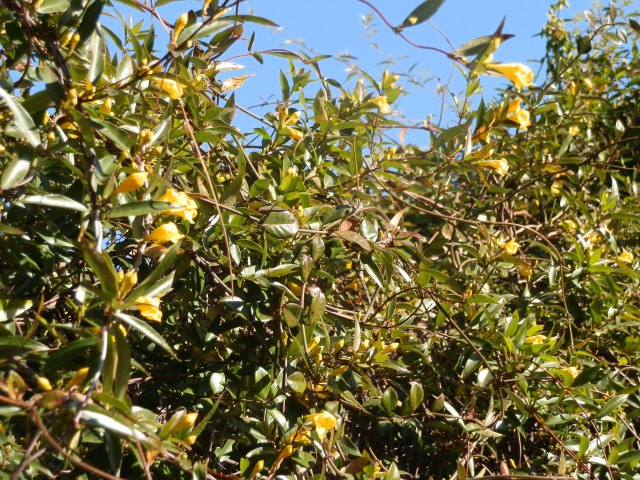
Carolina jessamine showing some late fall color

Carolina jessamine showing some late fall color

Carolina jessamine doesn't require an extensive trellis

Carolina jessamine doesn’t require an extensive trellis


Ted Manzer teaches agriculture at Northeastern High School.

Posted in foraging | Tagged , , , , , , , , , , , , | Leave a comment

Vinca vines are tough and beautiful but can be invasive


Few ground covers can fill any area as effectively as periwinkle vine.  There are actually two species commonly used and both have prolific bluish purple flowers. Both also have the ability to spread where they aren’t wanted.

Lesser periwinkle (Vinca minor) has smaller shinier leaves and is more invasive in northern regions. It’s sometimes called myrtle and is far more winter hardy. Lesser periwinkle grows here and spreads to surrounding areas, but it’s less aggressive than its cousin the big leaf periwinkle (Vinca major). That one grows quickly. Both species are frequently variegated.

Both species also have smooth edged evergreen leaves that emerge from stems in pairs. Running stems frequently root to the ground. Both bloom in spring and early summer. Sometimes they flower again to a lesser extent in fall.

Big leaf periwinkle makes a great ground cover for use with spring blooming bulbs like daffodils. Its foliage often is tall enough to eliminate the need to deadhead daffodils. This cuts down on maintenance.

Both of these vines, but particularly Vinca major are great for erosion control, especially on slopes. They are cheap, available and easy to establish. They also have few disease or insect problems.

In the southeastern states big leaf periwinkle can take over in any soil type. It tolerates drought, wet soils, poor fertility and some shade. Lesser periwinkle performs better in shady places, and it also tolerates a variety of soil types.

These vines are native to Europe, northern Africa and the Middle East. Unfortunately, like many exotic species both choke out native ones, reducing natural diversity. Both are also commonly listed as very poisonous. I’m not surprised as they are in the dogbane family. However, I think it’s a slight exaggeration as many people make tea from their flowers with no ill effects.

The reason for their inclusion on the highly poisonous list probably stems from confusion with their annual relative. Madagascar periwinkle, one of our most common bedding plants, is quite poisonous to consume. The chemicals in question are alkaloids. Several of various degrees of toxicity can be extracted from all periwinkles.

Many herbalists recommend perennial periwinkles for treatment of diarrhea, high blood pressure, excessive menstruation, sore throat and mouth sores. Many other symptoms are listed, but some claims aren’t substantiated to suit me.

Anyone on conventional medication should always consult their medical professional before using herbal medicines. Preparations containing periwinkle could pose a problem for people on blood pressure medicine or those with chronic constipation.

If eradicating these ground covers is your desire, Round-up will kill them. Important factors to consider are that plants must be in active growth and you must use something to make the spray stick to the slick leaves better. Commercial surfactant or dish detergent will work. However, Round-up doesn’t discriminate. It kills everything, so be careful what you spray.

Broadleaf herbicides like 2,4-D, dicamba, or MCPP will work, too. They’re less likely to hurt your grass but they’ll kill your flowers. Watch the application rates. Too much is a big problem. Spraying when target plants are dormant won’t help much either.

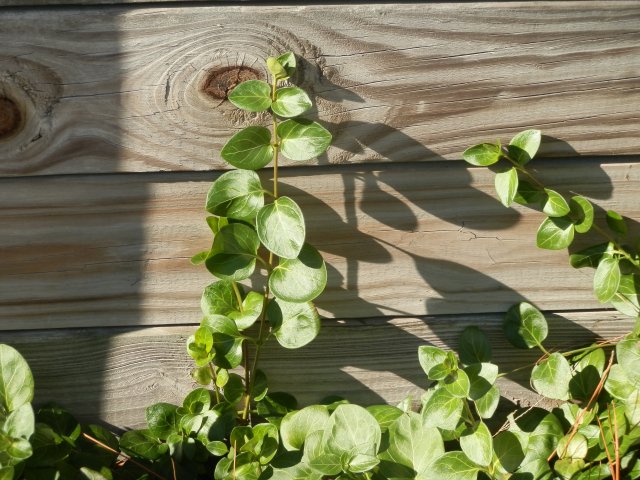
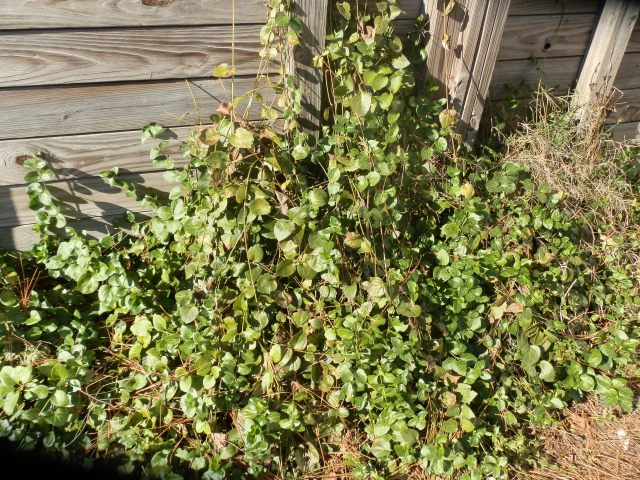
Vinca major likes to climb

Vinca major likes to climb

Big leaf periwinkle close up

Big leaf periwinkle close up

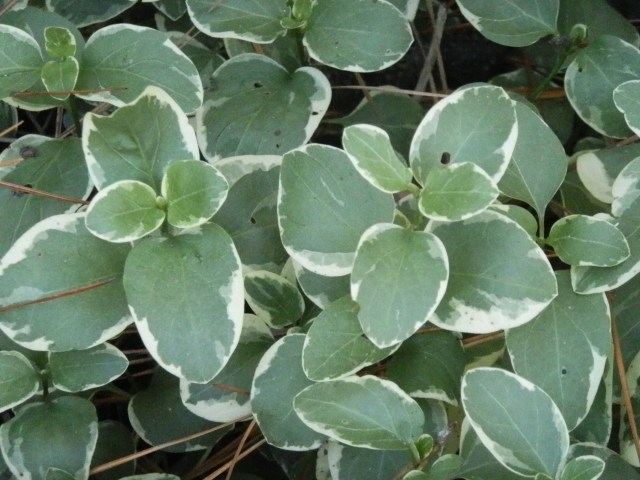
The variegated version

The variegated version

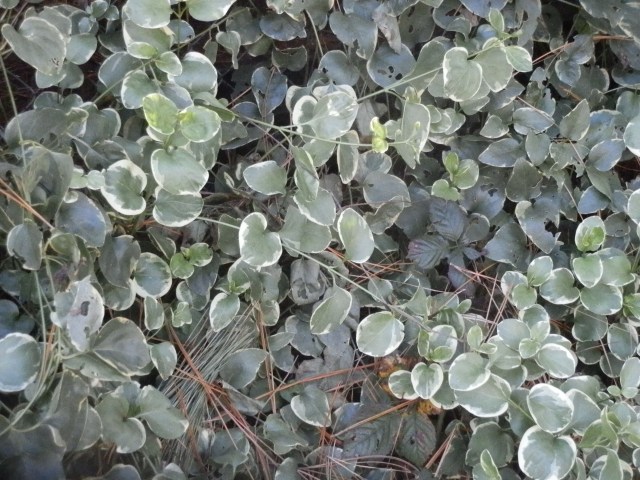
The variegated type goes everywhere too.

The variegated type goes everywhere too.

Ted Manzer teaches agriculture at Northeastern High School (tmanzer@ecpps.k12.nc.us).
Posted in foraging | Tagged , , , , , , , , , , , , , | Leave a comment

Harvesting wild rice was a farewell to fall activity


There were times I’d curse it. When I was growing up I loved to duck hunt on the river behind the house. Huge expanses of wild rice lined the shore in the shallow muddy places. My dog wouldn’t go in the water, so retrieving downed birds in rice patches was almost impossible.

I don’t know how they did it. I’d watch the ducks splash, but when I paddled my boat to the crash site I often couldn’t find them. It made me quit duck hunting.

The only redeeming factor was I began harvesting the wild rice and it was pretty good. I had to wait until late fall or it wasn’t mature. However, if I waited too long either the ducks ate most of it or the heads shattered and all the best seeds were gone.

All during the first duck season and between the first and second seasons I’d check on it. I had an old 1916 Old Town double ended rowboat. Most folks would look at it and call it a wide canoe with extra seats. It was very stable and made a great harvesting vessel.

I’d clean the hull out as best I could and paddle into a thick patch of rice. When I decided there was enough grain to harvest I’d spread a sheet of plastic to line the hull and beat the seed heads over the gunwales and onto the plastic. When I had a half bushel or so I’d head back for home.

Then the tedious part began. I set up a box fan and poured my bounty back and forth from one five-gallon bucket to another until I’d cleaned out all the chaff. In the winnowing process I lost a fair amount of good seeds as well as the chaff, but I didn’t know of a better way to clean it. There was so much wild rice in the river that it didn’t really matter.

This was a rewarding activity for me and I saved my harvest in canning jars. The long slender grains were quite pretty I thought.

I was proud of my accomplishment, but it was lost on my family. You see, we were a potato family. My dad was a plant pathologist who earned his living working with potatoes.

Neither he nor my mother liked rice much anyway, so mom never fixed it. Unless I cooked it for myself, much of it eventually got thrown away. It’s hard to keep the insects out of it. Sometimes eggs made their way into my harvest even if I sealed the jars.

I once considered trying to market the stuff, but I couldn’t find any takers. The other day I found organic hand harvested wild rice on the internet for eight dollars per pound. Even a fraction of that would have been pretty sweet back in my teenage years.

Truth be known, wild rice isn’t true rice at all. It belongs to the genus Zizania. True rice is Oryza sativa. I’m aware of two species of wild rice in Maine. One is perennial (Zizania palustris) and the other is annual (Zizania aquatica).

At this point I’m not sure which species I was dealing with. While patches covered about the same area each year, that in itself doesn’t mean they were perennial. I haven’t been back recently to be able to determine which species I collected.

I doubt many kids today would be interested in harvesting wild rice, but I thought it was pretty cool. Along with hunting, fishing, fly tying, trapping and sports it kept me busy. Those were the days.


Ted Manzer teaches agriculture at Northeastern High School (tmanzer@ecpps.k12.nc.us).
Posted in foraging | Tagged , , , , , , | 2 Comments

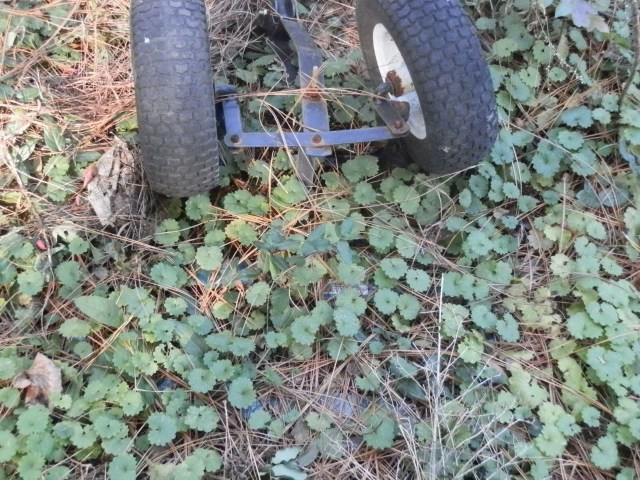
Ground Ivy is an aggressive perennial weed


When gardeners talk about weeds the word vine usually makes them cringe. Their anxiety increases when the word mint is added to the conversation. Ground ivy (Glechoma hederacea) is guilty on both counts.

Sometimes called creeping Charlie, this perennial can be an aggressive adversary in your lawn and gardens. It looks a little like catnip or Swedish ivy when you first see it.

Round leaves with scalloped edges emerge from square stems in groups of two. Running stems root at each pair of leaves and new plants begin to form. Eventually dense mats develop. If left alone it can totally take over anything in its path.

Purple two-lipped mint flowers would be quite attractive if the plant would only stay put. It won’t. The darned thing runs all over the place. I would rate it almost as difficult to control as wild violets or Florida betony.

Like many mints, ground ivy loves cool weather. That’s one reason it’s a problem in warm season turf in eastern North Carolina. In the fall many of our lawn grasses begin to go dormant, while ground ivy starts ramping up. Spreading by seed and creeping stems also makes it a double threat.

Ground ivy is also quite adaptable. It’s common throughout nearly all of North America. Only parts of northern Canada and a couple southwestern states are free from it.

This ubiquitous mint thrives in moist locations and creeps into lawns and gardens from wooded areas. It’s very tolerant of shade. Once established, ground ivy handles drought pretty well too.

While I respect this weed I’m not intimidated by it. It’s edible. In fact it’s not too bad raw in a salad or as a cooked green. Don’t boil or steam them too long or they’ll be mushy. Steeped leaves make a decent tea as well. Plants are high in vitamin C, but extended cooking will destroy it.

As with most greens, plants become bitter as they mature. Once they flower, the bitterness increases dramatically. Usually the supply is not limiting, so finding young growth is easy.

Herbalists have found numerous uses for this aggressive invader too. Its tea is used for coughs and bronchitis. Several anti-inflammatory chemicals are present in the foliage, so it’s sometimes used for arthritis. I’ve even read where it has been prescribed for ringing in the ears, stomach problems, diarrhea, hemorrhoids, bladder infections and kidney stones. Several commercial preparations can be purchased in health food stores.

Numerous side-effects are listed for this herb. It you are pregnant or have epilepsy, liver or kidney problems don’t consume it. As with all herbal supplements or medicines, always consult your medical professional before consuming any.

On another note, if you simply wish to rid ground ivy from your property several herbicides might help. Round-up (glyphosate) is effective for spot treatment applications. Mild weather is helpful, since it must be actively growing for herbicides to be effective. Round-up  is probably not the best choice in your lawn unless your warm season turf is totally dormant and the weed is still actively growing.

Broad leaf weed killers like 2,4-D and dicamba are effective in lawns but they will kill your flowers. The herbicide ‘confront’ is effective on sod farms, but it’s highly toxic and not labeled for residential turf. As with Florida betony and violets there appears to be no easy solution.

Ground ivy forms thick mats

Ground ivy forms thick mats

It quickly covers up anything.

It quickly covers up anything.

Close-up showing scalloped leaf margins

Close-up showing scalloped leaf margins


Ted Manzer teaches agriculture at Northeastern High School (tmanzer@ecpps.k12.nc.us).

Posted in foraging | Tagged , , , , , , , , , , , , , , , , | Leave a comment

Honoring our veterans should be what November 11 is all about


It used to be called Armistice Day. Celebrated on the eleventh hour of the eleventh day of the eleventh month, this holiday commemorated the end of World War I in 1918. The actual Treaty of Versailles was signed the following year in June of 1919.

Germany, realizing overwhelming defeat, signed an armistice agreement with the Allies in a railroad car in France. This War left millions of soldiers dead or wounded. Many were never identified. A couple years later the Tomb of the Unknown Soldier ritual was started.

To honor all veterans and not just those of World War I, Armistice Day was changed to Veterans Day. This name change took place in 1954. The observance of Veterans Day continued until someone decided the holiday should be moved to the fourth Monday in October. This was done in 1971, much to my displeasure.

I’m somewhat ashamed to say my reasoning wasn’t very patriotic. November 11 fell during deer season in Maine, which meant I had one more day of school and one less day of deer hunting in November. That may not have been a mature way to look at it, but it was important to a teenage kid.

Many states disapproved of this change, and continued to observe the holiday on its original date. Maine was not one of them. Eventually enough people determined the actual date the war ended was of historical significance. The same can be said for Independence Day. It was also changed to a Monday holiday for a while.

In 1978 the original date was restored. I was already in college by then, and November 11 was on a Saturday that year. I remember it well. I was out hunting in the Argyle swamp with my father and I shot a nice five point that day. Again, my priorities were misplaced.

I don’t mean to sound flippant about the whole affair. I know we sometimes don’t appreciate our military like we should. Too often we look upon national holidays as a day off from school or work. I was no different. I even had a great-uncle die in World War I, so I should have been more respectful.

Too often we only think of what is important to us. I have never been to Arlington National Cemetery on Veterans Day or Memorial Day either. When I was young, Memorial Day was more about salmon or trout fishing than it was about honoring my great-uncle Harold Robinson. It shouldn’t have been.

Too many times we look at our young people and criticize them for not showing proper respect. I know in my case, I didn’t always do the right thing for the right reason either. Maybe it’s because I didn’t grow up in an area with such rich military tradition. I don’t know.

One thing I do know is that I’m far from perfect. Because of that I try not to criticize the decisions of others. We have just been through a very ugly election season, almost like a war. I hope as we observe Veterans Day this year our country can start to heal.


Ted Manzer teaches agriculture at Northeastern High School (tmanzer@ecpps.k12.nc.us).
Posted in Uncategorized | Tagged , , | Leave a comment

Sourwood is an underused landscape tree with magnificent color


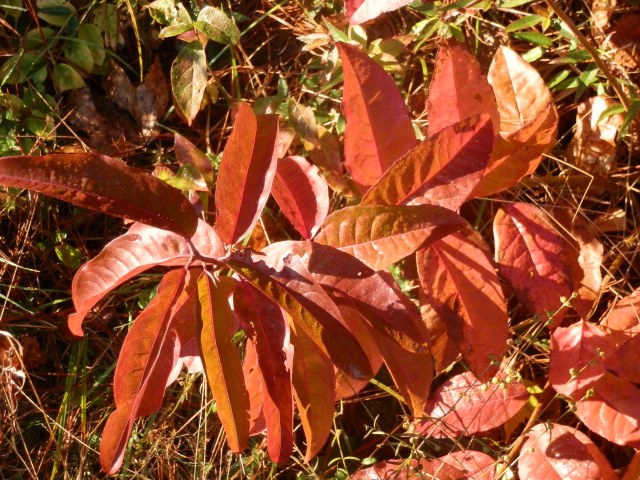
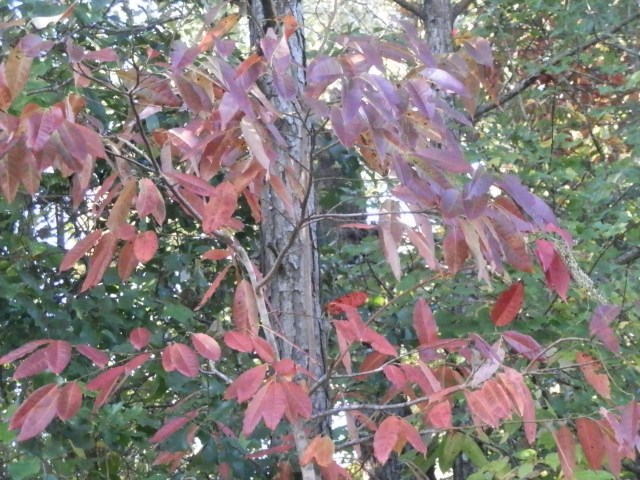
Our fall color is beginning to develop and sourwood (Oxydendrum arboreum) is one of the first to show itself. Trees aren’t large but their unique orange to red leaves stand out gloriously. Their color has been pretty for a couple weeks now and they’ll hang on for a few weeks more.

In my opinion the only tree common to this area with similar dramatic color is black gum. Sourwood can bring a property border to life in fall. It also makes a nice specimen tree and can tolerate the shade of taller trees like sweetgum and red, water or willow oak.

Finely toothed leaves about three to eight inches long and one to three inches wide emerge singly from stems. Foliage is dense and glossy and somewhat weeping or drooping. This gives the tree a robust appearance and explains why fall color can be so dramatic.

For those who want to incorporate more native plants into their landscape sourwood fits the bill. Sourwood isn’t used much as a landscape tree, but it probably should. It has few disease or insect problems and it’s not invasive. Deeply fissured bark on somewhat gnarled trunks has unique winter appeal.

One problem sourwoods do have is they don’t tolerate pollution as well as many other species. They also don’t thrive in compacted soils. This might make them a marginal choice for urban areas.

Trees flourish in sandy acid soils, not surprising as they belong to the blueberry family. Wood is hard and heavy, making it resistant to wind damage. Sourwoods typically reach heights of 25 to 30 feet, so they aren’t large shade trees. Occasionally 50 foot specimens occur in the wild.

Sourwoods are probably appreciated most by bee keepers. Sourwood honey is among the most sought after in the world. It rarely if ever crystalizes.

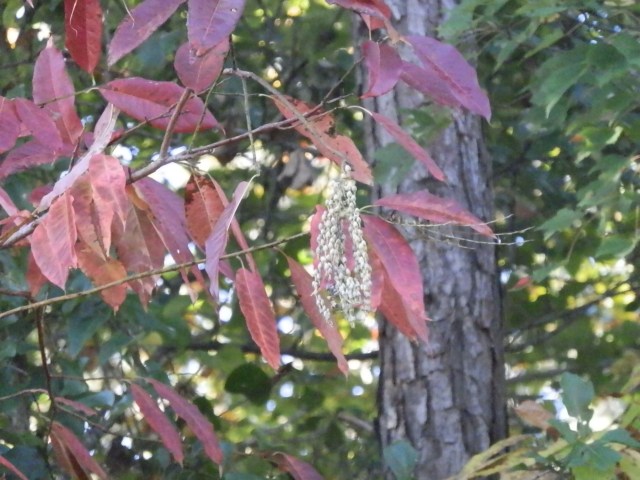
Plants bloom in late spring and slightly fragrant white flower clusters persist all year long. These flowers somewhat resemble lily of the valley flowers so some folks call sourwoods ‘lily of the valley’ trees.

It doesn’t end there. Sourwood leaves make a great tea. One way to check its identification is to chew on the leaves. They contain oxalic acid, giving them a flavor similar to sour apples. The tea has that same pleasant taste. It also has been used as a thirst quenching drink. Blossoms can be used as a tea or concentrated and boiled down to make jelly.

Sourwood also has a long history of medicinal use. Among these are: asthma, diarrhea, indigestion and to control excessive menstrual bleeding. Bark and foliage teas are natural diuretics. Not surprisingly, herbalists have used them to treat fevers and urinary problems. According to several sources, mouth sores can be relieved by chewing the inner bark or making a tea from it.

Anything that influences kidney function could be a problem for people taking certain medications. Therefore, as with all herbal medications don’t pretend you are a doctor if you’re not. Always consult your medical professional before using any herbal medicine, particularly if you’re taking prescribed drugs.

sourwood seedling showing brilliant color

sourwood seedling showing brilliant color

sourwood foliage standing out against the rest

sourwood foliage standing out against the rest

Sourwood foliage showing this year's blossoms still hanging on

Sourwood foliage showing this year’s blossoms still hanging on

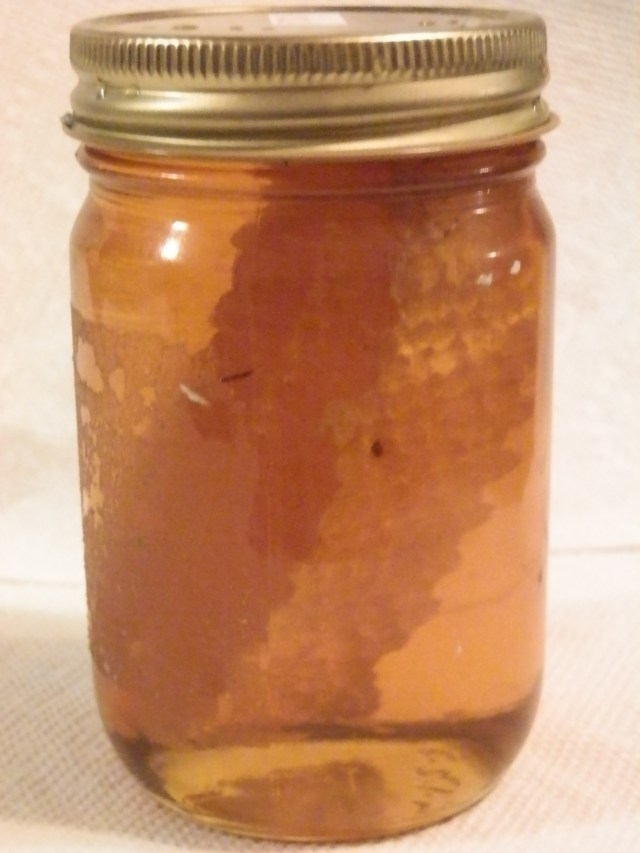
jar of tasty sourwood honey with a piece of comb

jar of tasty sourwood honey with a piece of comb


Ted Manzer teaches agriculture at Northeastern High School (tmanzer@ecpps.k12.nc.us).
Posted in foraging | Tagged , , , , , , , , , , , , , , | 1 Comment