Queen Anne’s Lace


On roadsides those big clusters of white flowers are starting to appear. If we dug them up we would notice a root that looks a little like and smells exactly like a carrot. There’s good reason for that. Queen Anne’s lace (Daucus carota) is the predecessor to domestic carrots and were introduced from Europe in early colonial times.

They are biennials (produce seed in the second year) that can grow four feet tall. Feathery foliage resembles that of carrots and flowers look like white lacy umbrellas. Each flower cluster has a purplish center. Stems are covered with glandular hairs. Roots are thick and don’t branch much. They are what we call taproots.

We find these parsley relatives nearly everywhere. They are invaders of disturbed sites.  Queen Anne’s lace matures very quickly and dominates native species.  Plants are adaptable to a variety of soil conditions and thrive in sun and partial shade.  For centuries people have cultivated this wild carrot for medicinal purposes and it has spread to roadsides and fields outcompeting native plants.

Butterfly enthusiasts like them, because the leaves are a major food source for caterpillars of the Eastern Black Swallowtail butterfly. Other insects visit them as well. Bees drink the nectar, and predatory insects, such as the Green Lacewing, come to Queen Anne’s lace to attack prey, such as aphids.

All plant parts have some type of usage. Roots are edible when young, but once they mature they are only useful as a tea. This tea can treat kidney stones, high cholesterol and intestinal worms, a rather odd combination. The large white inflorescences make great summer cut flowers and are used as filler for floral arrangements. Flowers are also edible and can even be fashioned into jelly.

Seeds have a rather unusual property in that when eaten they inhibit the production of progesterone. This inhibits fetal and ovarian growth. Fertilized eggs will not implant properly without sufficient progesterone. Some cultures have used wild carrot seeds as a female ‘morning after’ contraceptive since biblical times. Very little research has been done on this plant’s use as a contraceptive in this country, but numerous studies have been conducted in China and other places. According to research, a teaspoon of seeds within 12-24 hours is sufficient to block implantation. Seeds must be thoroughly chewed or they are less effective.

Along with individual moral considerations, there are concerns about Queen Anne’s lace collection for internal use. This plant is easily confused with the highly poisonous water hemlock. Socrates succumbed to that one. Water hemlock doesn’t have a hairy stem, the flowers, though white, are quite different and the leaves are coarser. However, from a distance and to the untrained eye they can look alike. For this reason don’t experiment unless you know your botany.

This weed is also a serious threat to those who produce domestic carrot seed. It hybridizes with the desired plants which ruins the seed. Carrot seed producing areas have established safeguards. Trying to market Queen Anne’s lace seed in Washington State will cost you a hefty fine. There are no restrictions here in North Carolina.

wild carrot foliage

Queen Anne’s Lace foliage

wild carrot with developing flowers

Queen Anne’s Lace with developing flowers
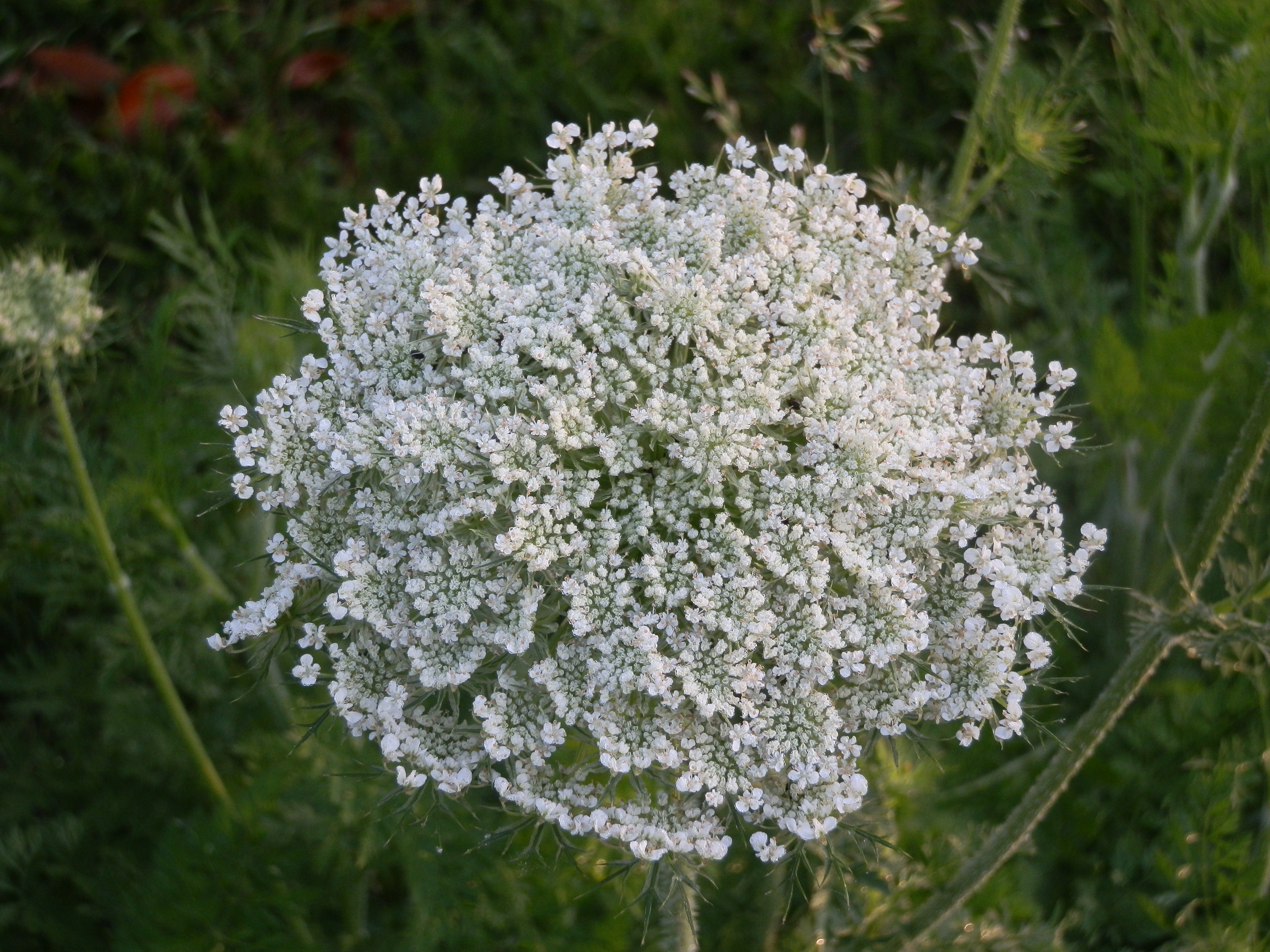
Closeup of Daucus flower

Closeup of flower


Ted Manzer teaches agriculture at Northeastern High School.

Posted in foraging, Uncategorized | Tagged , , , , , , , | 6 Comments

Wild Violets


Our lawns are starting to green up well. Troublesome weeds are rearing their ugly heads also. Well, depending upon one’s perspective some are quite attractive. The common violet is a prime example. Those bright bluish-purple flowers and heart-shaped leaves would be quite welcome if they weren’t entangled in our grass.

Upon closer look, those showy flowers are rather unique. Many are sterile. Flowers that produce large amounts of seed are little brown inconspicuous ones that never open. Fall is when most of them develop. They usually produce enough seed to populate our lawns and flowerbeds.

The genus Viola is one of the more common genera in the US. Numerous species abound, and many are host to different butterfly larvae. Despite being food for the caterpillars, violet numbers don’t seem to dwindle. Quite the contrary, they spread aggressively. Don’t believe what the classic poets write. Violets are not shy.

Wild violets are perennials less than six inches tall with deep taproots and spreading underground stems called rhizomes. They thrive in cool weather, moist or dry soils, and tolerate sun or shade. Their showy heart-shaped foliage has a waxy layer that sheds water and resists chemicals. Consequently, violets are hard to kill and once established will be a familiar sight.

Repeat applications of herbicide are usually necessary. Still success is far from a guarantee. Most people learn that when declaring war on them. Usually they wind up injuring their turf more than the violets. Furthermore, few chemicals are truly effective against these pesky foes, particularly in native Bermudagrass turf.

Sometimes spot treating with a nonselective chemical like Round-up works. Digging them out is also a possibility, especially in smaller areas. Spring is probably the best time to remove them, but weeding is a lot of work. When mowing, always clean the underside of the deck thoroughly afterwards. This avoids spreading this pest to other parts of your yard.

There can be a bright side. Violets are edible and nutritious. The late Euell Gibbons once referred to them as ‘natures vitamin pill.’ The flowers make a great garnish for salads and cakes. They even make a beautiful and tasty jelly and are also very high in vitamin C. Ascorbic acid content is even higher than in citrus fruits. Leaves and flowers of the violet are considered blood purifiers or detoxifiers.

Violets contain rutin which strengthens the capillaries. Leaves have a taste that is somewhat sweet with a slight peppery bite. They add texture to spring salad and have mucilage that can thicken a soup. Leaves are also a good source of vitamin A. When dried they make a decent tea.

Violets are a diuretic and can lessen some urinary and bladder problems. They are also used in some skin care products. The foliage also contains salicylates, so they can be used as an analgesic.

Pansies are close domestic cousins with many similar properties. Some natural food stores sell their flowers along with nasturtium for people to eat. They’re pricy, so I have other uses for my money.

violets under loblolly pine

Clump of violets growing on the edge of pines

violets with flower

Violets showing that purplish blue flower

violets, pokeweed and virgnia creeper

Violets take their place amongst pokeweed and Virginia creeper


Ted Manzer teaches agriculture at Northeastern High School.

Posted in foraging | Tagged , , , , , , , , | 3 Comments

Redroot Pigweed


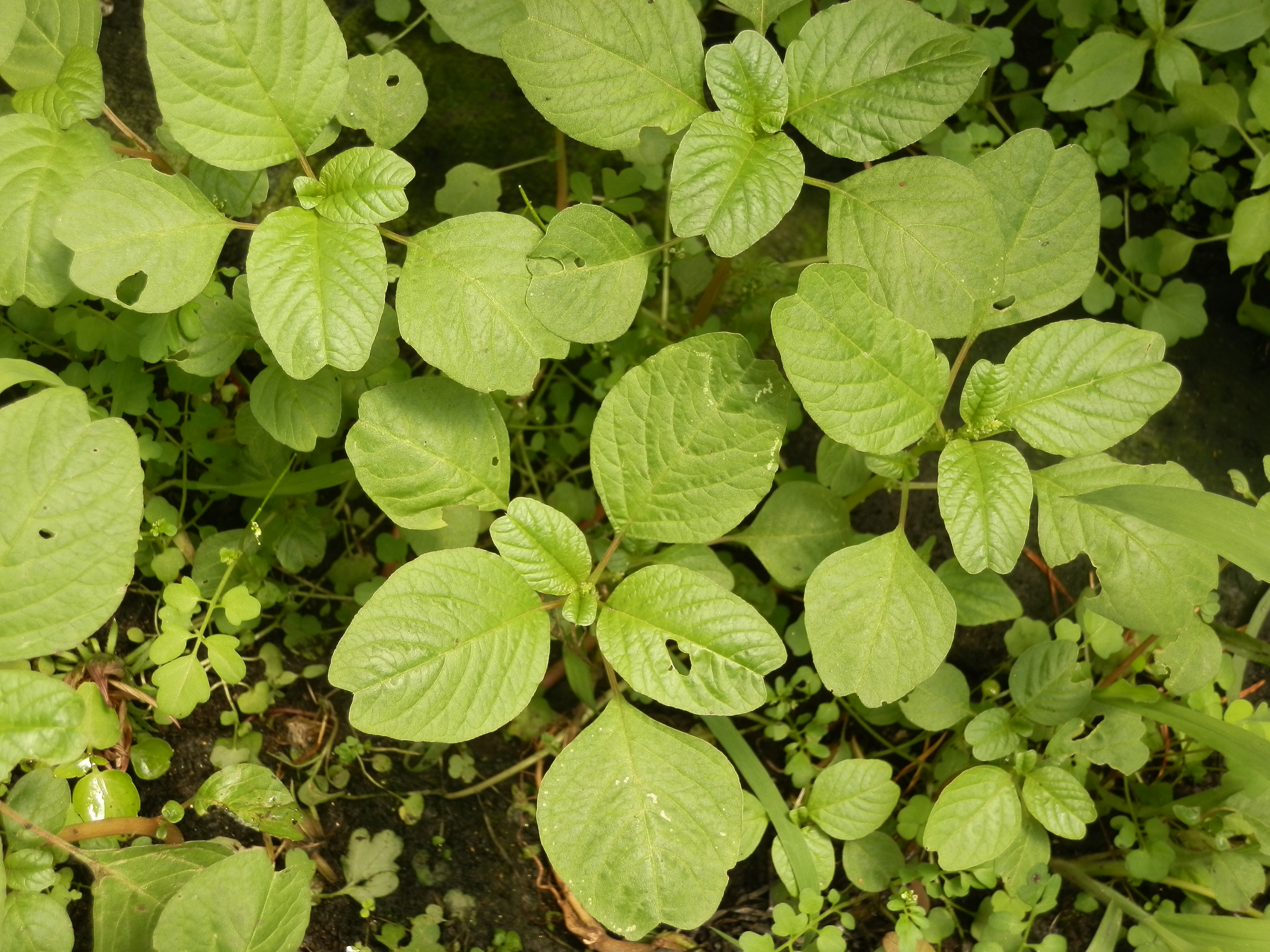
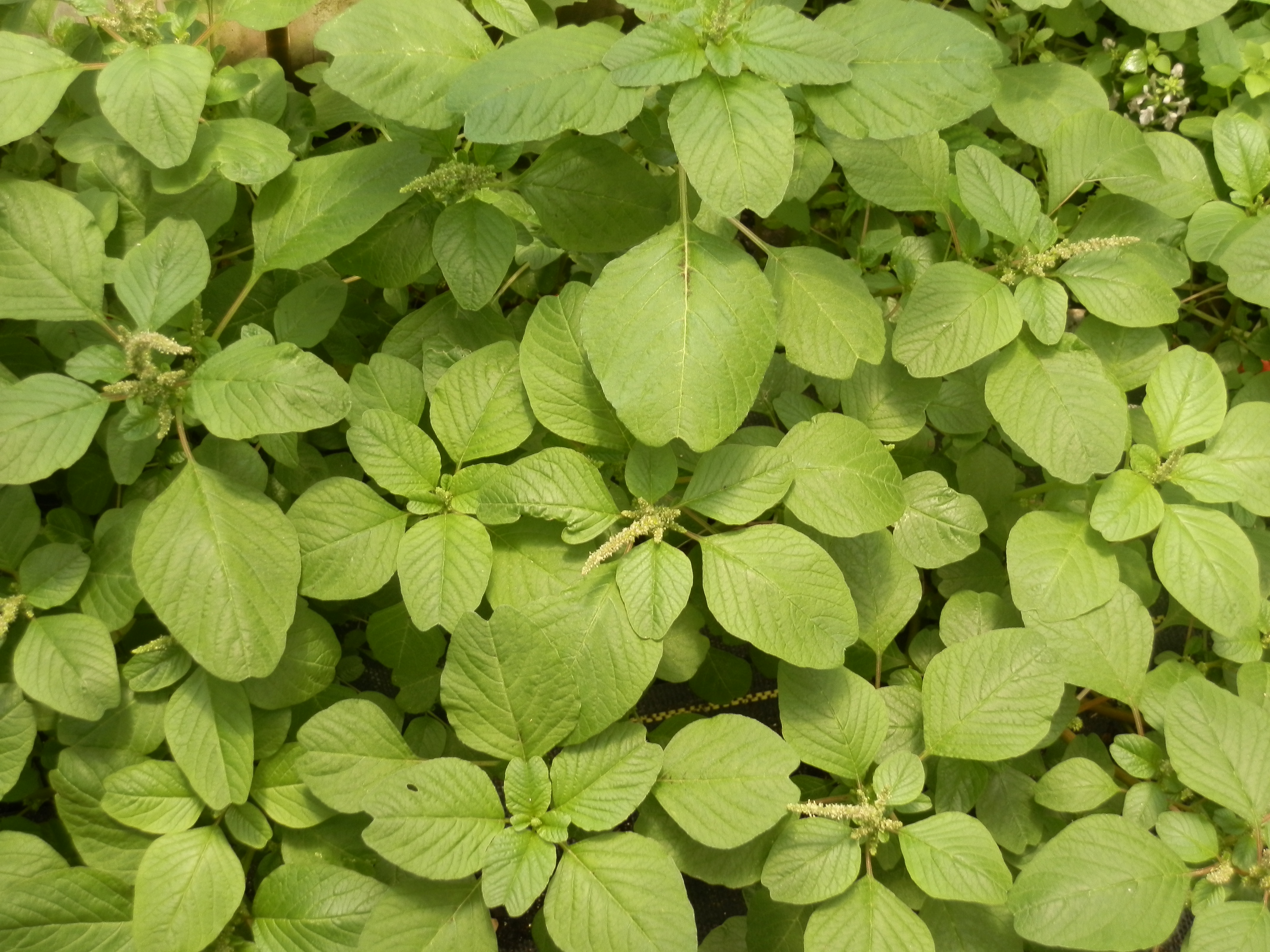
Some tasty greens are beginning to emerge. I saw some young lambsquarter recently and now redroot pigweed (Amaranthus retroflexus) is showing itself. If you like mild cooked greens reminiscent of beet greens, spinach or Swiss chard this one’s for you. It’s also difficult to confuse with anything else except maybe its prickly cousin the spiny amaranth. You won’t make that mistake twice.

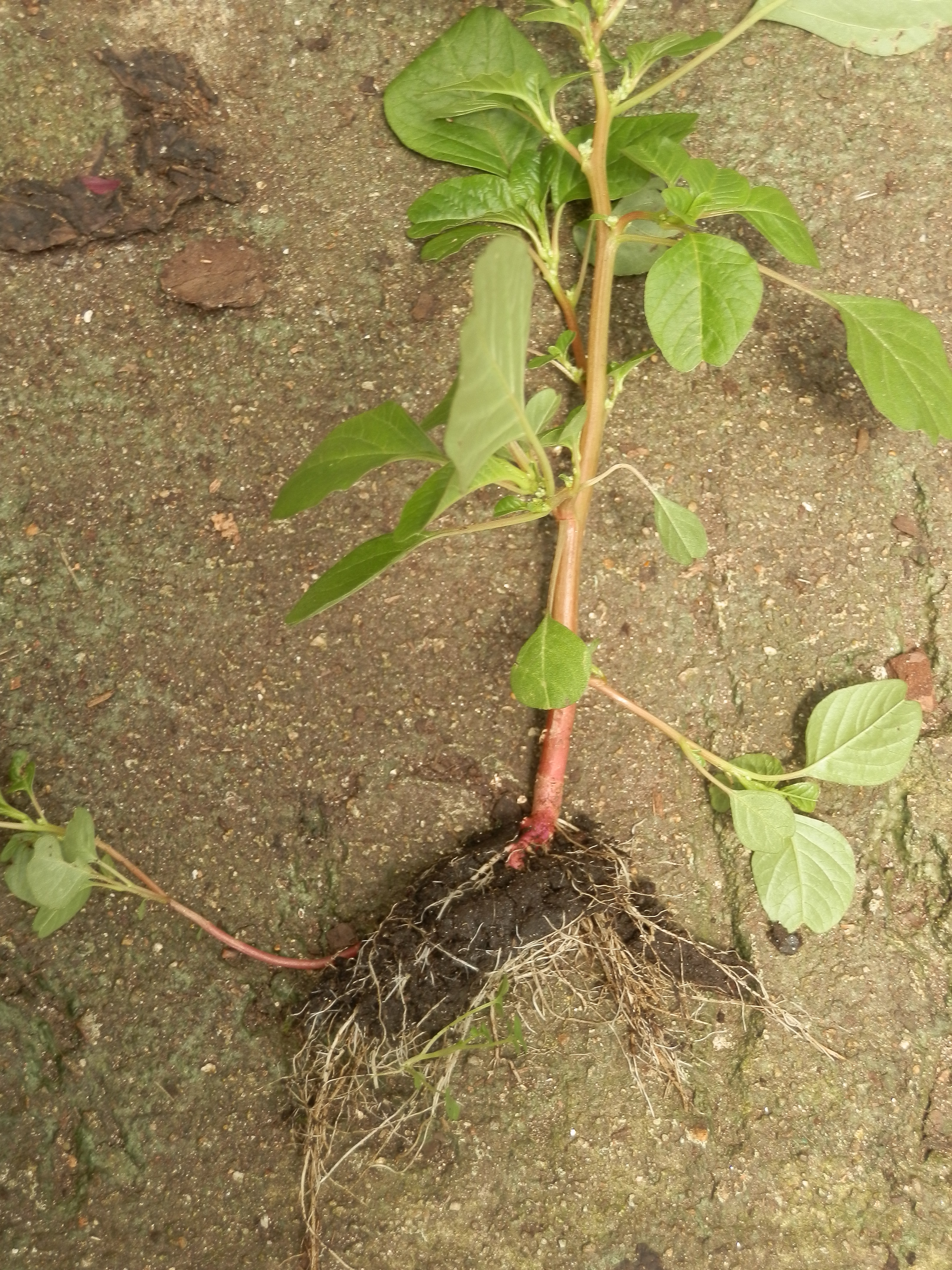
Pigweed has diamond shaped leaves, usually with a little notch in their tips. When less than a foot tall entire plants are smooth and tender. Leaves begin to get rough and hairy as they mature, so if you are planning to consume some, harvest them before flower stalks emerge. Fully grown plants can be over five feet tall. Lower stems and roots on all specimens are a distinctive hot pink color.

This amaranth is a prolific seed producer and will take over a garden if given the chance. It will also depress yields of soybeans, corn and other crops if not controlled. Each plant produces tens of thousands of seeds and they can persist in the soil and be viable for ten years or more. Never throw seed heads in your compost pile.

Pigweed is also resistant to many triazine herbicides used with corn. Many other weed killers aren’t effective either, though numerous ones are. Fortunately pigweed is an annual, so you don’t have to worry about root systems that persist from year to year.

Pigweed is drought tolerant and grows well at warm temperatures in full sun. Removing it before flowers mature is a good control method for homeowners. Pigweed plants are rarely a problem in lawns, because they are mowed regularly and are not allowed to go to seed.

The greens are rich in iron, calcium, niacin, and vitamins A and C. Health wise, there can be a downside, but it’s overrated. Amaranths are high accumulators of nitrates, so on heavily fertilized soils these compounds could potentially reach toxic levels. Nitrate poisoning interferes with our ability to utilize oxygen. It is common in livestock and possible in people under conditions of over fertilization. Nitrate poisoning is also associated with thyroid problems. Old research linked nitrates to cancer, but that has since been disproven.

Many domestic greens like spinach have the same nitrate problem if you can call it that. In small doses nitrates can be beneficial, so don’t worry about the greens unless you know the area received far too much nitrogen. You are much more likely to get a case of Salmonella from domestic greens than suffer nitrate poisoning from eating over fertilized pigweed.

So where is a good place to collect this mild and tender green? I don’t use too much fertilizer in my garden, so there’s a place. Any field not in production is usually a safe bet. Abandoned areas offer great foraging and we have many. We can’t be afraid of everything we might eat since this country imports so much food, particularly fresh fruit and produce. Who knows what other nations use in their farming practices? We have no authority over them nor should we.

young redroot pigweed

Young pigweed plants

Older plants showing developing inflorescence

Older plants showing developing inflorescence

Amaranthus retroflexus showing the "red root"

Amaranthus retroflexus showing the “red root”


Ted Manzer teaches agriculture at Northeastern High School.

Posted in foraging | Tagged , , , , , , | 7 Comments

Sheep Sorrel


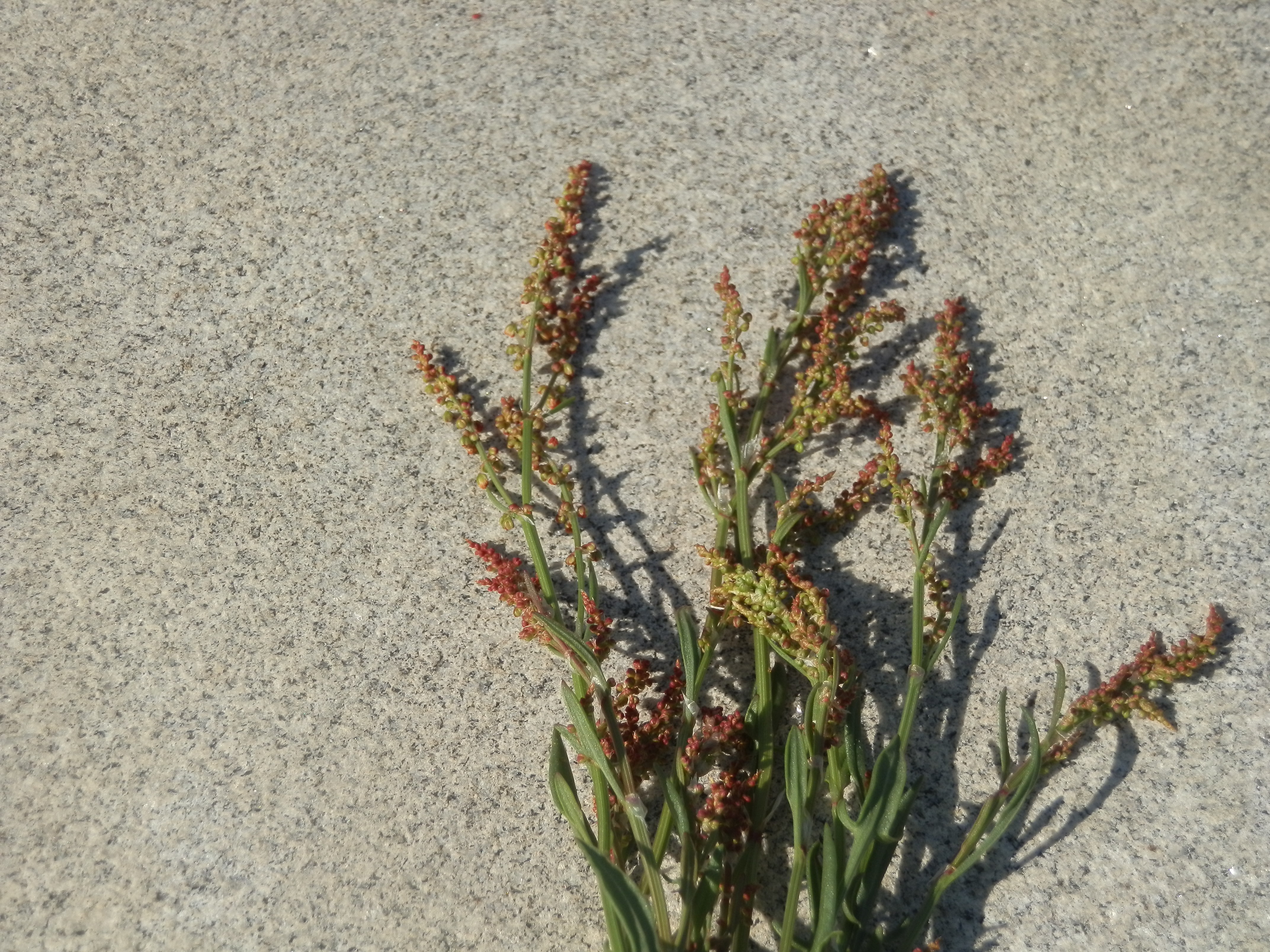
Some wild plants seem to intrigue kids. Sheep sorrel (Rumex acetosella) is one of them. Its leaves have an arrowhead shape and their flavor is sour like a combination of lemon and sour apple. Yes, they are edible, so these weeds pose no real danger. I like the flavor too, but I rarely consume much of it.

This plant is a good indicator of infertile acid soil. It grows in dry open places where most other plants don’t. It also tolerates wetness and even alkaline salty soils, but under those conditions many other weeds dominate it. If your lawn contains much sheep sorrel there’s a good chance you haven’t applied fertilizer or lime recently.

Sheep sorrel is a perennial and very cold tolerant. It is hardy throughout the lower forty-eight and young plants tolerate substantial frost. Most leaves remain close to the ground, but reddish brown flower stalks can be almost two feet tall. Plants are dioecious (individual flowers are either male or female, and entire plants are the same sex) and are pollinated by wind. Seeds mature in early to midsummer.

Many wild animals love it, and eat both leaves and seed heads. Unlike most plants, this herb does not get tough or bitter as it matures. Its flavor and texture remain constant.

This buckwheat relative has been used medicinally for centuries.  In Europe as well as America is has been included as a holistic treatment for various cancers. It’s a rich source of potassium, iron, manganese, phosphorous, beta-carotene, and vitamin C. The combination of these vitamins and minerals promotes the glandular health of the entire body. Sheep Sorrel also contains carotenoids, as well as citric, malic, tannic and tartaric acids.

Does it have a downside? In small doses it probably doesn’t. I don’t mind using a little bit to spice up a salad, but I don’t consume large quantities of it as a fresh herb. The reason is its high concentration of oxalic acid.

Oxalates are bad news to people who form kidney stones or suffer from gout. I don’t, but my wife is a stone former. Oxalic acid is water soluble, so boiling the greens would greatly reduce its concentration. Sheep sorrel makes an acceptable cooked green seasoned with a little salt and butter.

Kidney stones and gout are not the only maladies linked to high levels of oxalates. I have arthritis in my hands and feet. Sometimes it can be pretty bad, and oxalic acid aggravates this condition substantially. Many foods I like are high in this compound and its chemical cousins.

What oxalic acid does is interfere with calcium absorption, causing bone and joint problems. It reacts with calcium and other metallic elements like magnesium, potassium, and sodium. Oxalate salts are formed and these materials are bound up and can’t be easily absorbed by the body.

Don’t get paranoid though. Unless your mineral nutrition is very poor you would have to ingest oxalates in mega doses to pose major problems. Eat a variety of foods and enjoy life. Our Lord has given us countless blessings to eat. We’ve also been blessed with a brain and it is our obligation to use to its fullest.


young sheep sorrel seedling

young sheep sorrel seedling

nice clump of sheep sorrel

Nice clump of sheep sorrel

sheep sorrel flower stalks

Sheep sorrel flower stalks


Ted Manzer teaches agriculture at Northeastern High School.
Posted in foraging | Tagged , , , , , , | 3 Comments

Spring Salad


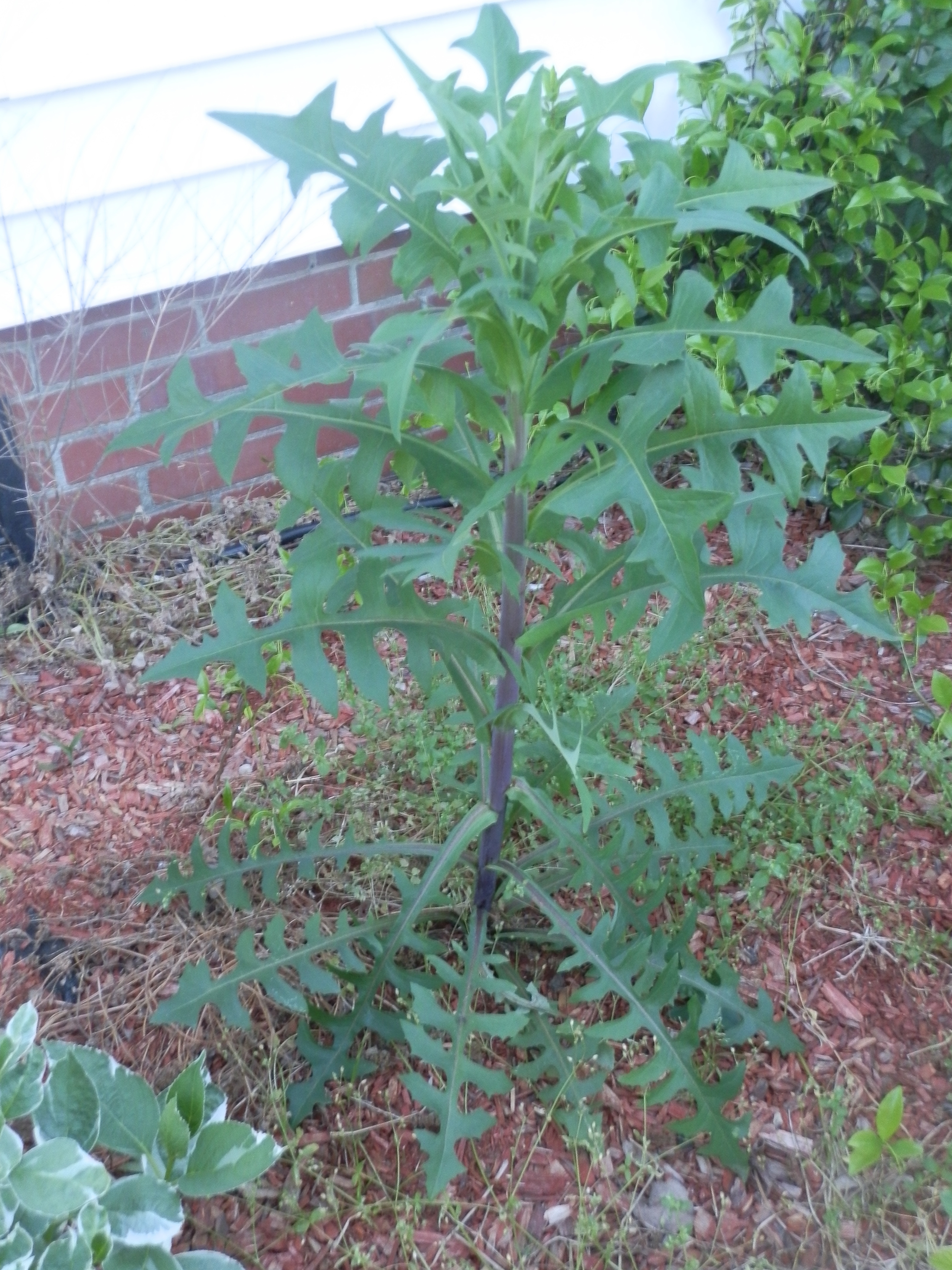
The name sounds a little imposing, but fear not. Prickly lettuce (Lactuca serriola) forms the backbone of a fine salad if collected when young. Older specimens can be bitter, particularly when they are flowering, so don’t eat them.

Prickly lettuce is a winter annual that thrives in cool weather. It tolerates a wide variety of soils, so it’s usually more adaptable than what you are trying to grow. Leaves emerge in basal rings and initially look like dandelions. This shouldn’t be a major surprise. Along with sow thistle they’re in the same family. Unlike dandelions, prickly lettuce sends out a tall stem and can get over five feet tall.

Modern domestic lettuce evolved from this Eurasian immigrant as well as a few other Lactuca relatives. Plants will hybridize with domestic lettuce, so there is great genetic variability in this species. It is an aggressive weed and makes its presence known in our soybean and wheat fields. This cosmopolitan invader can be found over most of North America.

Leaves have a row of weak spines along midrib on the underside. Sow thistles have spines along leaf margins, but not on the midrib. Neither has a roughness that is objectionable.

Flowers are yellow and dandelion-like. Upon maturity they turn to white down and blow away. Avoiding this phenomenon is helpful for homeowners. The prolific seed producer will find its way into places you don’t want it, like vegetable and flower gardens.

Should you decide to eat it, flavor is less bitter than dandelion but not quite as refreshing as sow thistle. In the rosette stage, flavor approaches most domestic lettuce. Eat it raw or lightly cooked, but I think its greatest asset is as a lettuce substitute or companion in a salad.

Some people develop an upset stomach if they go overboard and eat too much. I must have a strong digestive system as I’ve never noticed any ill effects. As with anything new, never eat too much the first few times until you know how your body reacts.

When consuming this weed avoid the milky juice that accumulates near the flowers. It contains lactucarium, which can be found in domestic lettuce in lower concentrations. Lactucarium has been used as a pain-reliever, sedative and diuretic, but don’t play doctor. Prickly lettuce juice should be used with caution and never without the supervision of a knowledgeable medical authority because of its mild narcotic properties. The bitter juice is more concentrated when plants are flowering. Even normal doses of lactucarium can cause drowsiness. Too much could cause restlessness and an overdose could cause death through cardiac arrest.

One of the best ways to eliminate prickly lettuce is cultivation. It has been a much greater problem for farmers since limited tillage cropping systems have become popular. Clean tilled crops rarely have much incidence of this weed. Several herbicides are effective at controlling it, but prickly lettuce has shown adaptability to develop resistance to some chemicals. Rotating chemicals is often helpful. Reducing the amount we must use is even better.


Older prickly lettuce plant

Older prickly lettuce plant - probably a little bitter

cut stem of prickly lettuce

Cut stem of prickly lettuce showing milky juice

Ted Manzer teaches agriculture at Northeastern High School.
Posted in foraging | Tagged , , , , | 3 Comments

Prehistoric neighbors


We are fast approaching the breeding season of the common snapping turtle. Pretty soon we will notice turtles in places we rarely see them, like our backyards and our flowerbeds. They invade our space to lay their eggs. Otherwise they rarely leave the water.

While we consider it trespassing, this noble reptile has roamed the earth for 40 million years. Sometimes a female will walk over a mile from her home to bury 20 to 50 eggs that look something like Ping-Pong balls. It can sometimes take as long as four months for them to hatch. Fifty-five to seventy days is more common. Temperature and moisture are the most critical factors for incubation success. High temperature speeds up the process and shortens development time. Low moisture contributes to fewer eggs hatching.

At low temperatures, mostly female turtles develop. Moderate temperatures favor males and higher temperatures make females more likely again. Eggs that encounter temperatures above 88 degrees Fahrenheit usually fail to hatch.

These shelled reptiles can weigh over 40 pounds and live for 50 years. They usually don’t, because they are slow and easily caught on land by many predators including humans. They also succumb to vehicles during their reproductive trek. On land they are very defensive and will bite if given the chance. Their powerful jaws can be lethal to anything that gets in the way.

In water they are much more docile and at home. They are largely nocturnal. I’ve lost many a fishing lure to them during the evening. That’s the best time to set hooks to catch them. During the day they are most often seen basking on a log or other structure, but they rarely pester fishermen.

Much folklore surrounds the snapping turtle. My father-in-law had many stories. He’d say that once a turtle bit something its jaws wouldn’t let go until it thundered. He ate many a meal of turtles and greens. I’ll never forget his description of the culinary intricacies of the snapping turtle.

He’d speak of their having meat of seven different flavors. I was skeptical, but I helped him dress a few and found they do have several different colors and textures of meat. You can easily tell that by sight and feel.

Of course many animals are somewhat like that. Texture and color of chicken meat varies greatly depending on its location. Obviously there are regions of white and dark meat, which taste slightly different, and the texture of drumstick flesh is not the same as that from the thigh or the back. Furthermore, white meat from the wings has different texture and fat content than that on the breast, but back to the turtle.

I’ve heard that turtle tastes like rabbit, chicken, bear, frog legs, lobster, pork, and fish. It’s all pretty fishy to me, although texture varies a lot. Some of the meat is stringy and some is soft, but it all is greasy with fishy overtones. I apologize to my father-in-law, God rest his soul, but I’ve never much cared for turtle and I eat just about anything.

Perhaps it’s just as well. Any animal that’s been around for 40 million years has earned its right to be left alone. I’ll be extra careful driving home this spring.


Ted Manzer teaches agriculture at Northeastern High School.
Posted in foraging | Tagged , , , , | 2 Comments

Sounds of Spring


These warm spring evenings bring out familiar sounds. The most distinctive one is the call of the male spring peeper, which reminds some of crickets chirping. At less than an inch and a half long, spring peepers are the tiniest frogs in North America. They can be tan, gray or dark brown, but all have a dark “X” on their backs. These amphibians also have toe pads that grip like suction cups for climbing.

Abundant in our swamps and other wet wooded areas, these critters are rarely seen. Many of you have steamrolled them with your vehicles on rainy evenings, but other than that you might not have noticed them. They’re nocturnal and pretty well camouflaged. They eat mostly insects and spiders, which I’m sure is fine with most people. It’s a shame so many wind up under our tires.

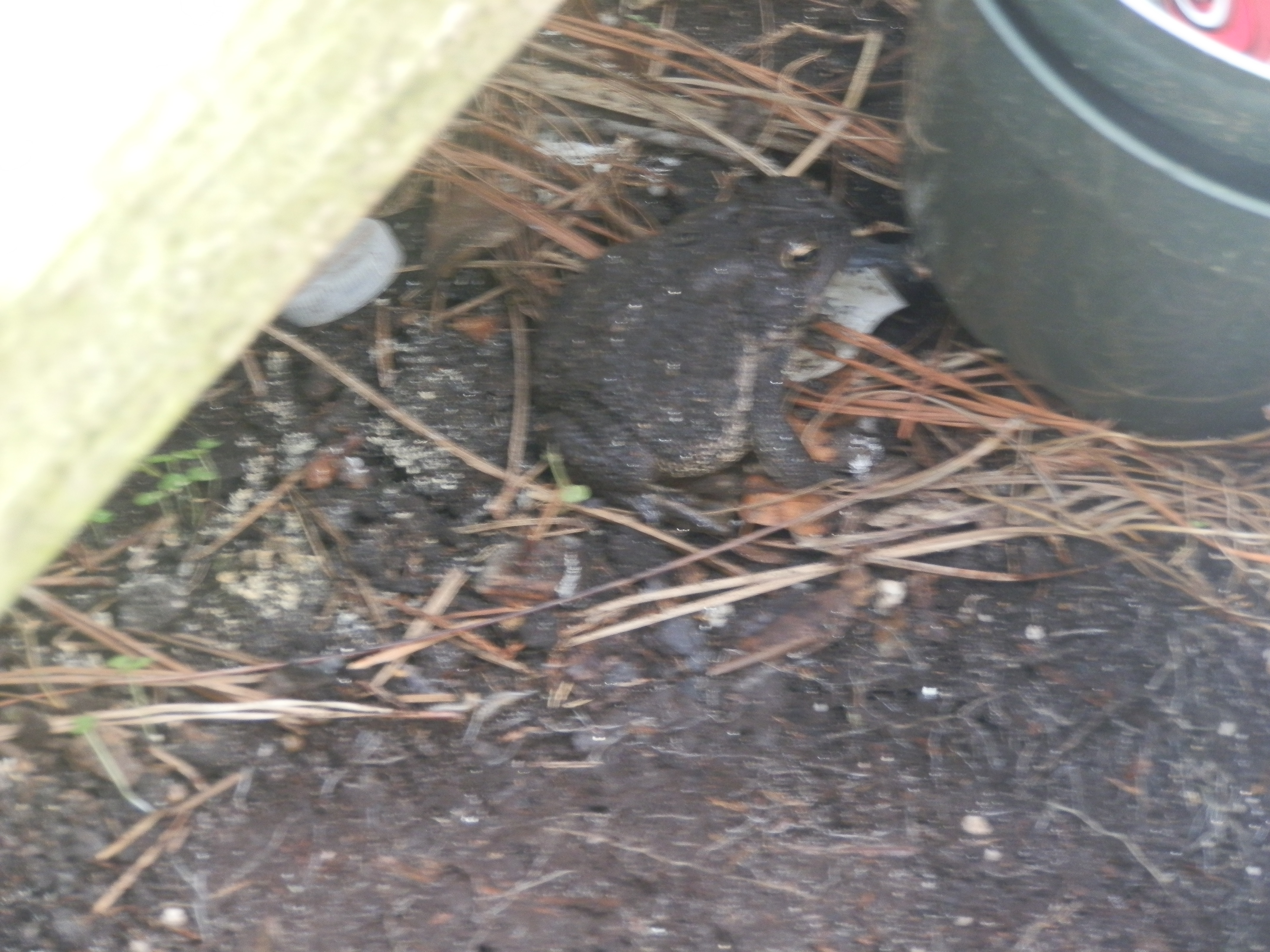
The American toad is another amphibian that rings in spring. The call of these rough-skinned creatures is a high pitched trill. Each blast sometimes lasts a half minute. Toads can occasionally weigh over a pound and have been known to live for thirty years. Females are usually much larger than males.

They are insect eating machines, feasting on mosquito larvae and other insects. They also eat earthworms, snails, slugs, fish and just about anything else that fits into their mouths. Since toads are slower than most of their jumping relatives, one might expect them to be easy prey for other animals. Generally they are not. Toads have special structures called paratoid glands, which produce a foul-smelling, toxic chemical. For this reason it’s wise not to pick them up, but don’t worry. Toads don’t give you warts.

Many consider toads welcome guests to their gardens. This is generally true, but I once had a swimming pool and they would breed and fill the water with ropes of eggs that hatched into tadpoles. If their breeding season were later in the year the warty devils likely would have chosen a different spot, but an unopened pool doesn’t have the deterrent of strong chlorine. For a month or two out of the year they were not my friends, but that doesn’t mean I avoided all amphibians.

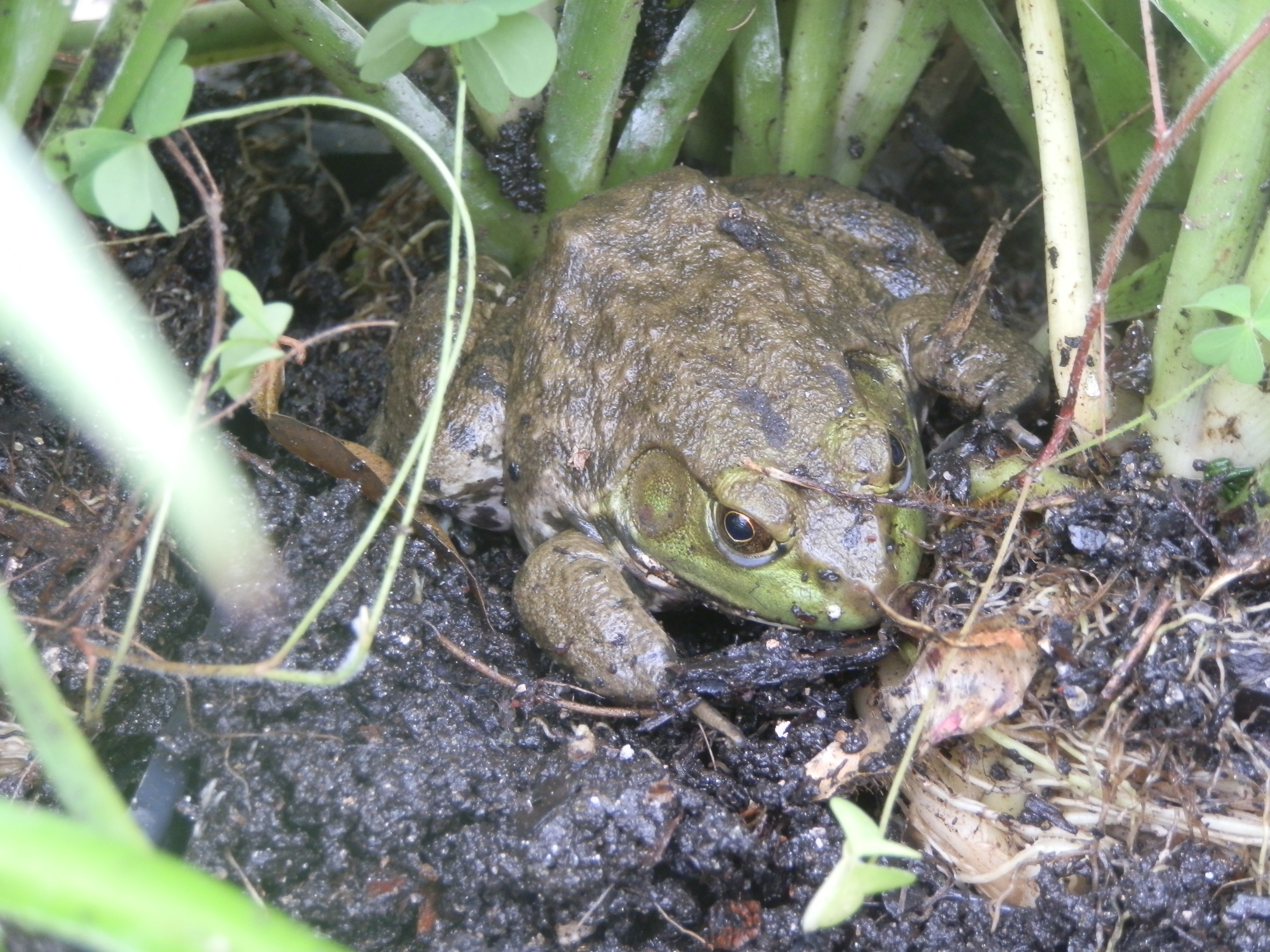
The bullfrog is the largest frog in North America. Bullfrogs are solitary and very territorial. They rarely meet, except to fight over territory or mate. Their distinctive croaking is music to my ears.

Bullfrogs have voracious appetites. They eat insects, crayfish, earthworms, fish, other frogs (especially leopard frogs, but even other bullfrogs), small turtles, snakes, baby birds, mice and voles. They are most active at night. Their skin contains glands which secrete substances that render them unpalatable to predators, so most mammals leave them alone.

Remove the skin and their legs are a delicacy. The pale pink flesh is similar to chicken tenderloins, but clean them up thoroughly or they have a bitter fishy flavor. Whether you like yours fried with breading and Cajun spices or grilled with a little lemon, butter and garlic they are truly a spring treat which lasts through summer.


American toad waiting for insects

American toad

Lethargic bullfrog on a cold morning

Lethargic bullfrog on a cold morning

Ted Manzer teaches agriculture at Northeastern High School.
Posted in foraging | Tagged , , , , | 4 Comments

Soldier’s herb


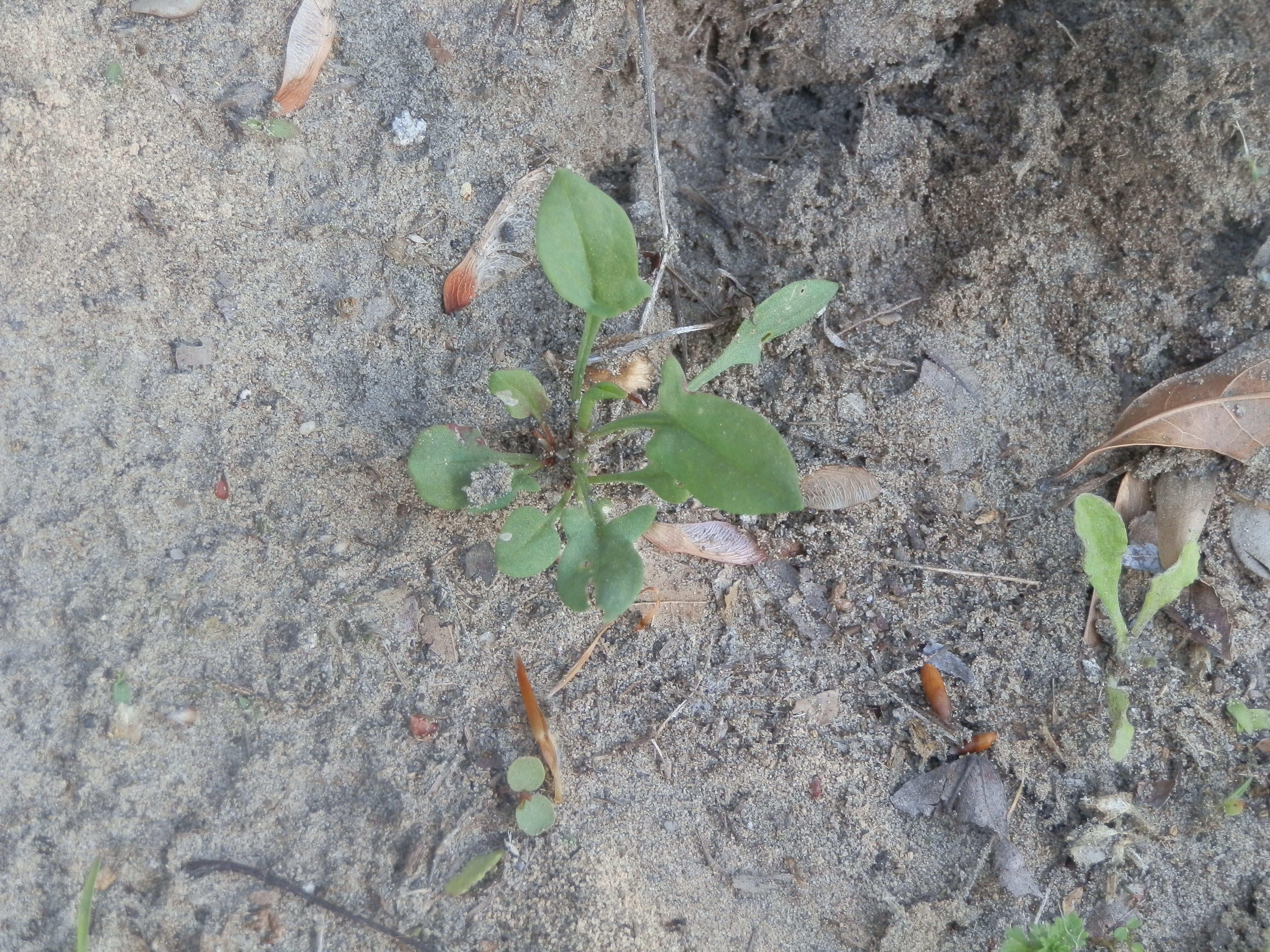
Few lawn weeds are despised as much as broadleaf plantain (Plantago major). Maybe we should hold our contempt a little bit. I’m not saying we should want it in our front or even our backyard, but let’s recognize its merits. Some might not know its name, but all have seen it and would agree it’s the ugliest weed in the yard.

Broad leaves lay in a flat ring and a central spike shoots straight up from the center. This perennial trespasser doesn’t even have pretty yellow flowers like dandelions and the contrast of large spreading foliage detracts from an otherwise well-manicured lawn.

Also called common plantain, it was brought here from Europe as a food crop in colonial times. It survives in nearly all environments and is common throughout most of North America. Plantain’s ability to thrive on wet compacted soils virtually insures its presence on most properties.

We know the bad points, so what are its good ones? First of all, plantain is edible raw or cooked and is a great source of vitamins A, B1, B2 and C. Foliage is also rich in minerals and mono unsaturated fatty acids.

The herb has a long history of medicinal use dating back to ancient times. Some cultures used it for nearly every malady. One American Indian name for plantain translates to “life medicine.” Indians also called it “white-man’s foot” since they discovered plantain everywhere settlers had been.

Broadleaf plantain has been used to treat asthma, emphysema, bladder problems, bronchitis, fever, hypertension and rheumatism. It also helps control blood sugar levels. Root extracts can treat many digestive tract problems as well as bronchitis, sinus troubles, coughs, asthma and hay fever. Chemicals in common plantain also cause a natural aversion to tobacco. Extracts are currently being used in commercial preparations to help people stop smoking.

Crushed leaves are used to treat skin irritations including poison ivy and stinging nettle. They also help heal sunburn. I have even heard of placing a leaf inside a diaper to lessen diaper rash.

So why did it get the name “soldier’s herb?” Plantain can stem blood flow and was often used as a wound dressing in earlier times. Topical applications promote clotting and help heal damaged tissue. Plantain also contains acubin, reported in the Journal of Toxicology as a powerful anti-toxin. Allantoin, another compound found in plantains, promotes healing of wounds, cell regeneration and softens the skin.

Buckhorn plantain is a narrow leaf relative (Plantago lanceolata) with many of the same properties as common plantain. It is often more common around here. Buckhorn plantain often persists more in cold weather and emerges earlier in spring. Both species are difficult to control in lawns. Broadleaf chemicals like 2,4-D and MCPP are effective against young seedlings, but established plants are tougher. Increasing application rates can injure the grass, so repeat treatments are usually necessary. The best control method is to prevent it from establishing in the first place. Good luck.

Broadleaf plantain may be very useful but fits the true definition of a weed. It always seems to be growing in the wrong place.


young broadleaf plantain

Young broadleaf plantain in dormant warm-season turf

broadleaf plantain seedlings

Ted Manzer teaches agriculture at Northeastern High School.

Posted in foraging | Tagged , , , , , , , | 5 Comments